
Blooming
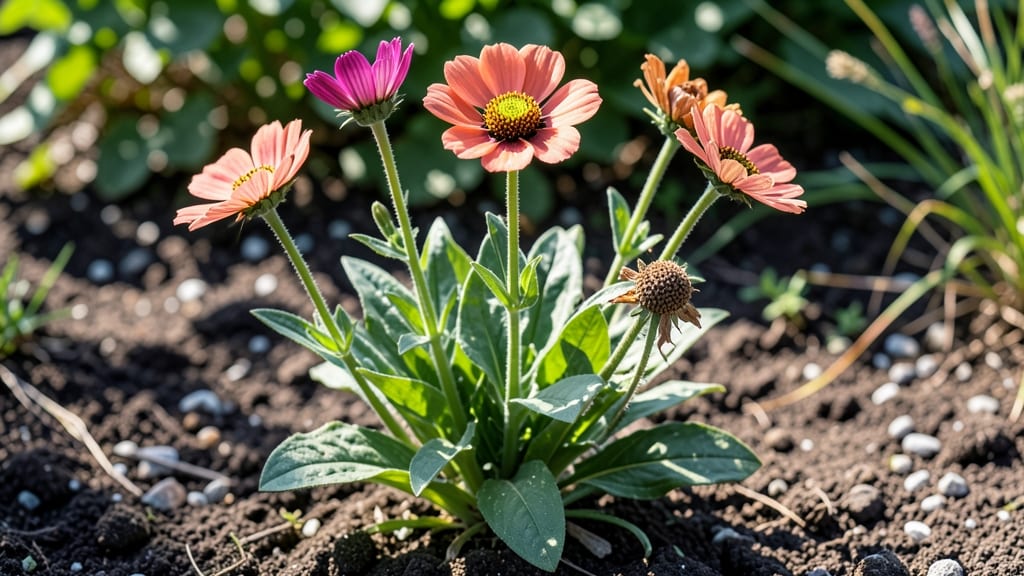
Understanding zinnia bloom stages turns guesswork into a predictable parade of color—and I’ve watched my garden go from patchy blooms to nonstop summer flurries by mastering these four phases. 🌻 The first sign? Tiny green buds forming along sturdy stems, each one holding the promise of a future bloom.
What most gardeners miss is how watering and sunlight needs shift as zinnias mature, which is why my second-year plants outlasted my first-year ones by weeks.
Once buds swell to the size of marbles, you’re in the critical 7-10 day window before full bloom—this is when zinnias demand consistent moisture but hate soggy roots. I learned this the hard way when a heatwave caused my buds to drop before opening.
The payoff comes when those buds burst into vibrant centers, their petals unfurling like a slow-motion fireworks display. Here’s where deadheading becomes your secret weapon: snip spent blooms at the base to redirect energy into new buds forming at the stem’s base.
After the glory of full bloom, zinnias enter their post-bloom phase, where seed heads form and stems start to sag. This isn’t the end—it’s your cue to either let nature take its course (for next year’s seeds) or prune back to encourage bushier growth.
I’ve extended my zinnias’ season by 3-4 weeks simply by cutting back faded stems in late summer, triggering a second wave of blooms before frost. The key is balance: too much pruning stunts growth, but too little means missed opportunities for more color.
For gardeners in short seasons or cooler climates, timing is everything. Start seeds indoors 6-8 weeks before your last frost, and use row covers in early spring to jumpstart growth.
The real magic happens when you match each bloom stage to its care needs—water deeply at bud formation, reduce slightly at full bloom, and prune strategically to keep the cycle going. With these adjustments, you’ll turn zinnias from seasonal highlights into your garden’s year-round workhorse.
📚 In This Guide
- What you need
- Instructions
- Tips and common mistakes
- Wrapping up and next steps
What you need
- ● Zinnia seeds: Choose Zinnia elegans varieties (e.g., 'Benary’s Giant,' 'Profusion'). Buy 1–2 seed packets (50–100 seeds each) for a vibrant garden.
- ● Well-draining potting mix: 1–2 bags of high-quality seed-starting mix (or garden soil amended with compost).
- ● Containers or garden bed: Seedlings: 3–4 inch pots (1–2 per seedling) or biodegradable peat pots.
- ● Outdoor planting: Full-sun location (6+ hours of sunlight daily) with loose, fertile soil.
- ● Watering can or hose: With a gentle spray nozzle for seedlings.
- ● Fertilizer: Balanced 10-10-10 or slow-release granular fertilizer (follow package rates).
- ● Gloves & kneeling pad: For comfortable handling and soil prep.
- ● Trowel or transplanting spade: For digging and spacing plants (6–12 inches apart).
- ● Mulch (straw or shredded leaves): To retain moisture and suppress weeds.
- ○ Stakes or tomato cages (optional): For tall varieties (e.g., 'State Fair') to prevent flopping.
- ● Pruners (sharp, clean): For deadheading spent blooms (encourages more flowers!).
- ○ pH test kit (optional): Ideal soil pH: 6.0–7.0 (zinnias thrive in slightly acidic to neutral soil).
Understanding zinnia bloom stages: a gardener’s guide
Watch zinnias transform from tiny buds to vibrant blooms—here’s how to recognize each stage.
🌱 Step 1: Bud Formation (Seedling to Bud Development)
The journey begins when your zinnias grow 3-4 inches tall and develop the first tight, green buds along the stems. These buds look like tiny, pointed cones and appear after 4-6 weeks from seed. I always check for at least 3-4 buds per plant before expecting full blooms.
This is where light matters most—6+ hours of direct sun prevents leggy stems and weak buds. If buds stay small or turn yellow, your zinnias need more sun or water. Gently pinch off the first few buds if they’re crowded; this encourages stronger blooms later.
☀️ Step 2: Color Break (Bud Swells and Colors Appear)
Watch for the moment buds double in size and develop color—this is the color break stage. You’ll see hints of pink, red, or yellow peeking through the green casing. This happens 7-10 days after bud formation, depending on variety and warmth.
Here’s the thing—morning watering is critical now. Wet buds at night invite fungal diseases like powdery mildew. If buds split open prematurely, they’re too dry; if they stay closed, they’re overwatered. Aim for soil that’s dry to touch at the surface.
🌿 Step 3: Full Bloom (Peak Beauty and Pollinator Magnet)
When buds fully unfurl into bright, open flowers, your zinnias are in their peak bloom stage. This lasts 5-7 days per bloom, with petals radiating outward in layers. The center disc florets (tiny tube-shaped flowers) will be tightly packed at first but loosen as the bloom ages.
This is the moment zinnias attract pollinators like butterflies and bees. To extend the show, deadhead spent blooms daily—snip stems just above a set of leaves. I always use clean, sharp scissors to avoid damaging stems, which keeps plants healthy and productive.
⏰ Step 4: Seed Development (From Bloom to Seed Head)
After blooms fade, the center disc turns brown and puffy—this is the seed-setting stage. The petals drop, leaving behind a dry, papery seed head. If you’re saving seeds, wait 2-3 weeks until the heads turn completely brown before harvesting.
Don’t let seed heads linger too long—they signal the plant’s energy shifts from blooming to seed production. For continuous flowers, cut back stems to the first set of healthy leaves after seed heads form. This trick keeps zinnias blooming all season long.
Tips & tricks for perfect zinnia bloom development
To help zinnias flourish through every stage, here are the key insights that'll transform your garden from good to spectacular.
Light and Spacing Secret: In Step 1, when your zinnias reach 3-4 inches tall, make sure they're getting those crucial 6+ hours of direct sun. I've found that spacing plants 12-18 inches apart prevents overcrowding, which allows all buds to receive equal sunlight. This is when you'll see the first tight, green buds form—these little cones are your first sign of success! The more light they get now, the stronger those buds will develop.
Watering Wisdom: During the color break stage (Step 2), morning watering is absolutely critical. I've learned this the hard way—watering in the evening can lead to fungal issues like powdery mildew. When buds double in size and show their first hints of color, that's your cue to water only at the soil level, keeping leaves dry. The goal is soil that's dry to the touch at the surface—this prevents both overwatering and underwatering, which can cause buds to split open prematurely.
Deadheading Technique: In Step 3, when zinnias reach their peak bloom, daily deadheading is your secret weapon. I always use clean, sharp scissors to snip stems just above a set of leaves. This might seem tedious, but it keeps your plants producing new blooms for weeks longer. The key is consistency—don't let spent blooms linger, as this signals the plant to shift energy toward seed production instead of more flowers.
Seed Saving Strategy: For Step 4, if you're saving seeds, wait the full 2-3 weeks until those seed heads turn completely brown and papery. I've harvested too early before, only to find the seeds weren't fully mature. When you do harvest, store them in a cool, dry place. This ensures you'll have viable seeds for next season's vibrant zinnias. And remember, cutting back stems after seed heads form keeps your plants blooming continuously!
Pro Tips for Zinnia Bloom Stages
- To help zinnias flourish through every stage, here are the key insights that'll transform your garden from good to spectacular.
- Light and Spacing Secret: In Step 1, when your zinnias reach 3-4 inches tall, make sure they're getting those crucial 6+ hours of direct sun.
- Watering Wisdom: During the color break stage (Step 2), morning watering is absolutely critical.
Frequently asked questions
Got questions about zinnia bloom stages?
You’re not alone! Here are answers to the most common queries—from timing to troubleshooting—so you can keep your zinnias thriving from bud to full bloom.
How long does it take for zinnias to go from seed to full bloom?
Most zinnia varieties bloom 60–75 days after planting seeds (or 45–60 days from transplanting seedlings). Early bloomers like Zinnia elegans may flower sooner, while giant or dinnerplate zinnias take slightly longer. Patience pays off—watch for those first buds forming (Stage 2) around 3–4 weeks post-germination!
Why are my zinnia buds turning brown before opening?
Brown buds often signal bud blast, caused by fungal diseases (like powdery mildew) or bacterial infections. Improve airflow by spacing plants 12–18 inches apart, water at the base (not leaves), and remove affected buds immediately. Preventative tip: Apply neem oil or copper fungicide at the first sign of wilting.
Can zinnias bloom all season long, or do they need a break?
With proper care, zinnias can bloom continuously from early summer until frost! Deadhead spent blooms (snip stems just above a leaf) to encourage new buds and extend the season. In warm climates, they may even rebloom in fall. Pro tip: Fertilize lightly with a balanced 10-10-10 mix every 4–6 weeks for extra vigor.
What’s the best way to save zinnia seeds for next year?
Let 10–20% of your healthiest blooms fade naturally on the plant—they’ll develop papery seed heads. Once dry (usually 4–6 weeks after flowering), collect the seeds by rubbing the heads over a brown paper bag. Store them in a cool, dry place for up to 2 years. Bonus: Try growing from saved seeds for unique color variations!
Do zinnias need full sun, or can they tolerate partial shade?
Zinnias thrive in full sun (6+ hours/day), but they can tolerate partial shade (4–6 hours)—especially in hot climates. In shadier spots, expect fewer blooms and leggier stems. If growing in containers, place them in the sunniest spot possible and rotate pots weekly for even light exposure.
Wrapping up and next steps
Understanding the zinnia bloom stages transforms your gardening journey into a rewarding experience—each phase, from tiny buds to vibrant blooms, is a testament to nature’s beauty! 🌸 Whether you're a seasoned gardener or just starting, these stages help you nurture zinnias with confidence. Ready to watch your garden flourish?
Your next step? Plant a few zinnias today! Experiment with colors, varieties, or even container gardening—every bloom is a small victory. Happy gardening! 🌱