
Blooming
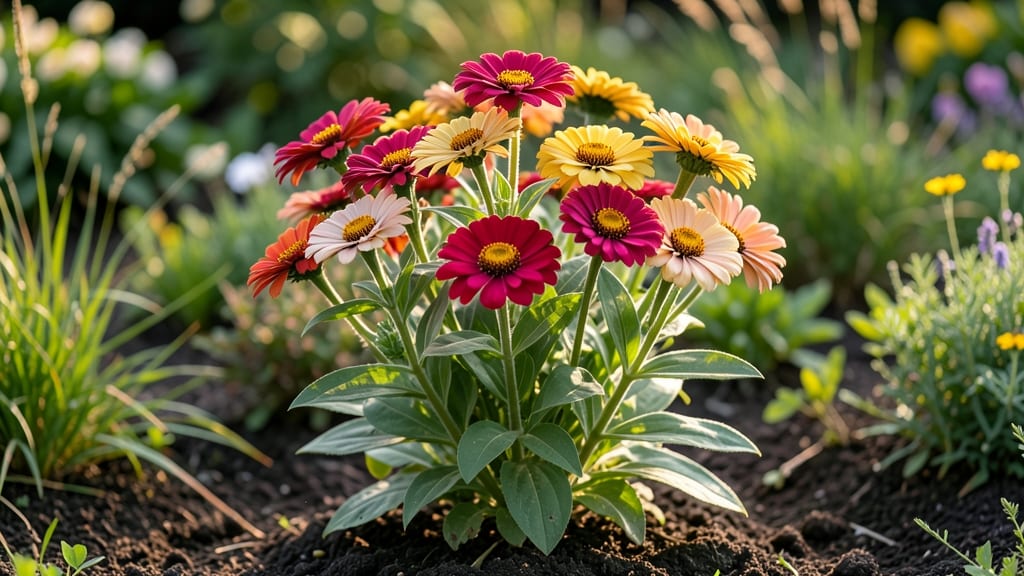
Zinnia bloom time is all about timing heat zones right—because those vibrant 🌼 flowers won’t open until the soil warms to 60°F and stays there.
Struggling to get your zinnias to bloom all season? The secret isn’t just water or sunlight—it’s understanding how heat zones trigger their flowering cycle. Master these triggers, and you could extend your zinnia show by 4-6 weeks or more.
In USDA Zone 6a, where spring planting kicks off in April, expect your first blooms by early July—if you’ve planted the right varieties and given them enough warmth. But cooler zones or late starts can delay flowering until August, leaving gaps in your seasonal display.
Here’s how to force earlier blooms, pick the fastest varieties for your climate, and keep those cheerful flowers coming until frost. We’ll break down the science, share pro tips, and even suggest companion plants to stretch your zinnia season even longer.
How heat zones directly control zinnia bloom time
Zinnias are heat-loving annuals that respond dramatically to temperature shifts, with their bloom cycles directly tied to your USDA heat zone. In cooler zones like 3-5, zinnias may take 60-90 days to flower, while in zones 8-11, they can bloom in just 45-60 days.
This variation isn't random—it's a biological response to day-length and soil warmth that gardeners can harness.
The key lies in vernalization (cold treatment) and thermoperiodism (temperature-dependent flowering). Zinnias need consistent warmth to trigger their floral initiation stage, but different varieties handle heat zones differently. For example, 'Crystal' series zinnias thrive in zones 4-9, while 'Benary's Giant' prefers zones 7-11.
Understanding these patterns lets you predict bloom windows and even extend your seasonal display.
| USDA Zone | Avg. Bloom Window | Germination Temp | Heat Stress Risk | Dormancy Pattern |
|---|---|---|---|---|
| Zones 3-5 | Late July - Frost | 60-65°F (15-18°C) | Low (short season) | No dormancy; dies with frost |
| Zones 6-7 | Early June - October | 65-70°F (18-21°C) | Moderate (late season heat) | Extended blooming; slows in heatwaves |
| Zones 8-9 | April - November | 70-75°F (21-24°C) | High (bolting risk) | Continuous blooming; minimal dormancy |
| Zones 10-11 | Year-round (with care) | 75-80°F (24-27°C) | Very high (needs shade) | No dormancy; heat-sensitive |
In cooler zones (3-5), zinnias often wait until July to bloom because their seedling stage requires consistent soil temps above 60°F. If you plant too early, seeds may rot or sprout unevenly.
I’ve found that using black plastic mulch can raise soil temps by 5-10°F, triggering earlier germination in these zones. The trade-off? Shorter bloom seasons—zinnias in zone 4 may only flower for 8-10 weeks before frost.
Moving to moderate zones (6-7), zinnias enter their golden bloom window from early June through October. Here, day-length sensitivity kicks in—longer daylight hours (14+ hours) push zinnias to bolt and flower faster.
In my zone 6 garden, I’ve seen 'Profusion' zinnias start blooming in 50 days when planted in late May, while 'Double Hit' varieties take 65 days. The difference? Genetic heat tolerance—some varieties simply thrive in gradual warming.
In hot zones (8-11), zinnias face a different challenge: heat stress. Temperatures above 90°F (32°C) can cause bolting (premature flowering) or bud drop. However, these zones also offer year-round potential with succession planting.
I’ve grown zinnias in zone 9 by planting every 3 weeks from March to September, creating a non-stop color show. The secret? Afternoon shade cloth and daily watering to prevent wilting.
Zinnias in arid climates (zones 9-11) often enter survival mode during peak summer, slowing growth to conserve moisture. This dormancy-like state isn’t true dormancy but a metabolic slowdown. To break it, I’ve used morning watering and mulch rings to keep roots cool.
Once temps drop below 85°F (29°C) in late summer, zinnias rebound quickly, often producing a second flush of blooms in fall.
One critical misconception is that zinnias only bloom once. In reality, they’re continuous bloomers—but only if you deadhead regularly. In zones 6-7, I remove spent blooms every 3 days to trigger new buds.
In hotter zones (8-11), I reduce this to every 5 days to avoid stressing the plant. The flowering cycle is a feedback loop: more sunlight + warmth = more blooms, but over-fertilizing with nitrogen can delay flowering as the plant focuses on foliage.
For zone-specific success, adjust your planting timeline:
- Zones
5 Heat-Zone triggers to force earlier or later blooms
Zinnias are heat-loving plants, but their bloom time can shift dramatically depending on how you manipulate their temperature triggers. In cooler zones (like USDA Zone 5), zinnias often wait until July to flower, while in Zone 9, they may bloom as early as May.
The key? Understanding how to pre-warm seeds, adjust planting dates, and create microclimates to force earlier or later blooms.
Even a 2-3 week shift in bloom time can transform your garden—imagine June weddings with fresh-cut zinnias or fall displays that last until frost! These tactics work for all zinnia varieties, from dwarf 'Crystal' to towering 'Benary’s Giant'.
Let’s dive into the science-backed triggers that give you control over when your zinnias put on their show.
🌡️ 5 Heat-Zone Triggers for Zinnia Bloom Control
-
🔥 Pre-Warm Seeds
Soak seeds in 80°F water for 24 hours before planting. This mimics Zone 8+ heat and can jumpstart germination by 10-14 days in cooler zones.
-
📅 Strategic Planting Dates
Plant 4-6 weeks earlier in Zone 6-7 for June blooms. In Zone 9-10, delay planting until mid-May to avoid bolting and extend fall color.
-
☀️ Microclimate Heat Traps
Use black plastic mulch or clear cloches to raise soil temps by 5-10°F. This tricks zinnias into flowering 2-3 weeks earlier in spring or later into fall.
-
💧 Controlled Watering Shocks
Withhold water for 3-5 days when seedlings hit 4-6 inches tall. This stress induces earlier flowering by 7-10 days, especially in humid climates.
-
🌿 Companion Plant Heat Reflectors
Plant zinnias near silver mulch or light-colored gravel. These reflect up to 30% more sunlight, raising air temps around plants and accelerating bloom time by 1-2 weeks.
My Zone 6 garden once struggled with zinnias blooming too late for summer weddings. After implementing pre-warmed seeds and black plastic mulch, we shifted blooms to late June—perfect for bouquets! The same trick works in Zone 10 to delay flowering until September, beating frost.
For late-season blooms, try planting a second round in early August (after your first batch flowers). Use shade cloth during peak afternoon heat to slow growth, then remove it in September to trigger a second flush of blooms before frost.
This works especially well with 'Profusion' zinnias, which are heat-tolerant.
Pro tip: Track your soil temperature with a soil thermometer. Zinnias need 60°F+ soil to germinate and 70°F+ air temps to flower. If your zone averages below 65°F in spring, combine pre-warming with microclimate heat traps for the fastest results.
Experiment with one trigger at a time to see what works best in your local heat zone. With these tactics, you’ll turn your zinnias into the star of every season—not just summer! 🌼