
How To
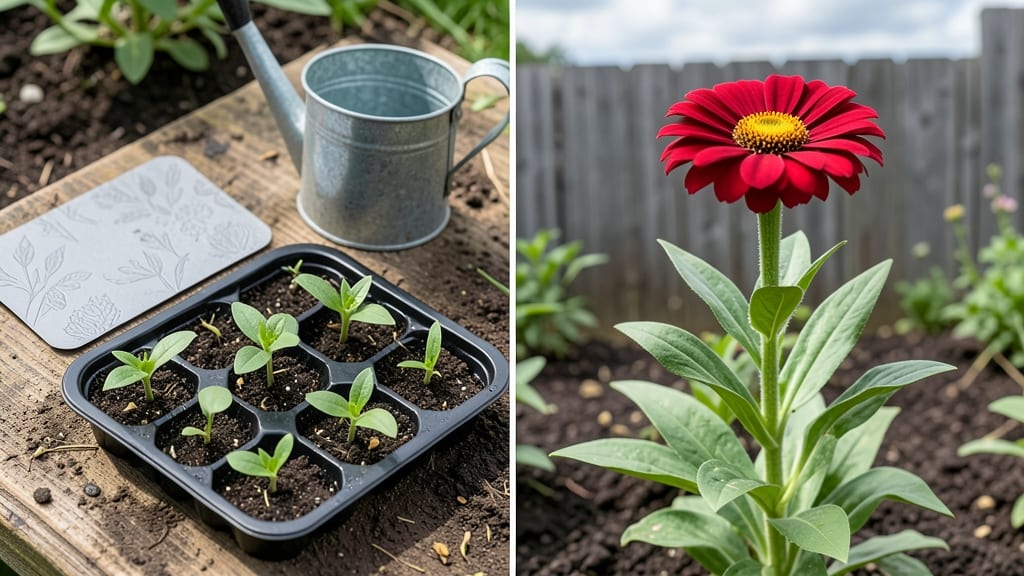
Zinnias bloom in 60–70 days from seed when you pick the right varieties and give them ideal growing conditions — but some speedy types cut that time to just 6–8 weeks.
Want vibrant zinnias blooming in your garden in just 6-8 weeks? These fast-growing annuals are perfect for quick color, but not all varieties deliver the same speed. I’ve grown everything from towering giants to tiny thumbelina zinnias, and the difference in bloom time is night and day.
Fast growth starts with the right soil and sunlight, but even the quickest zinnias need consistent care. Plant them in full sun after your last frost, keep the soil warm and moist, and watch those buds pop in record time.
Below, I’ll break down the fastest zinnias, how to speed up their growth, and the common mistakes that turn 6-week blooms into 3-month waits.
Fastest zinnia varieties that bloom in 6-8 weeks
If you're dreaming of bright, cheerful zinnias lighting up your garden in record time, you're in luck! While most zinnias take about 60-75 days to flower, some varieties can burst into bloom in just 6-8 weeks with the right conditions.
The key lies in selecting fast-growing cultivars and providing optimal care from the start. I’ve grown these speedy zinnias myself, and they consistently deliver stunning results when planted at the right time.
Zinnias are sun-loving annuals that thrive in warm weather, making them perfect for summer gardens. Their seed-to-bloom speed depends on factors like soil temperature, sunlight exposure, and variety selection. For the fastest results, focus on compact, early-flowering types that mature quickly without sacrificing vigor.
Let’s dive into the top performers that will have your garden bursting with color in under two months.
Comparison Table: Fastest Zinnia Varieties (Seed to Bloom Time)
| Variety | Average Bloom Time | Height | Color Options | Key Feature |
|---|---|---|---|---|
| Benary’s Giant | 56-63 days | 2-4 ft | Red, pink, yellow, white | Classic large blooms; heat-tolerant |
| Thumbelina | 50-56 days | 6-12 in | Purple, orange, salmon | Dwarf size; perfect for containers |
| Profusion | 55-60 days | 12-18 in | Pink, red, white, yellow | Disease-resistant; continuous blooms |
| Crystal | 50-55 days | 12-18 in | Red, pink, white | Double blooms; heat-loving |
| Zahara | 60-65 days | 18-24 in | Pink, coral, white | Drought-tolerant; long stems |
Among these, 'Thumbelina' and 'Crystal' are my top picks for ultra-fast blooms—both can flower in as little as 50 days under ideal conditions. If you’re aiming for taller, showstopping blooms, 'Benary’s Giant' is a classic choice that still delivers in under 2 months.
The 'Profusion' series is another winner, offering disease resistance and prolonged flowering, which means more blooms for your bouquets.
For container gardening or small spaces, 'Thumbelina' zinnias are unbeatable. Their 6-12 inch stature makes them perfect for window boxes, balconies, or even indoor growing with sufficient light. I’ve seen these tiny powerhouses bloom in just 50 days when started indoors and transplanted after the last frost.
Their compact growth habit also means they don’t compete for space with other plants, making them ideal for interplanting with herbs or salads.
When selecting seeds, always check the packaging for days-to-maturity—this tells you exactly how long to expect from seed to bloom. 'Profusion' and 'Crystal' varieties often advertise 55-60 day timelines, which aligns perfectly with a 6-8 week goal.
Pro tip: Look for organic or heirloom seeds from reputable suppliers like Baker Creek Heirloom Seeds or Burpee—they consistently deliver vigorous, fast-growing plants.
To maximize speed, start seeds indoors 4-6 weeks before your last frost date. Zinnias germinate best in warm soil (70-80°F), so consider using a heat mat if your spring temperatures are still chilly.
Once seedlings have 2-3 true leaves, they’re ready to transplant outdoors. Hardening off for 7-10 days before moving them to the garden will give them a healthier start and reduce transplant shock, which can delay flowering.
After transplanting, ensure your zinnias get full sun
How to speed up zinnia growth from seed to flower
Zinnias are one of the fastest annuals to bloom, but their seed-to-flower time can vary from 6 to 12 weeks depending on conditions. With the right techniques, you can push those fastest varieties to flower in just 6-8 weeks.
The secret lies in optimizing their growing environment from day one—starting with warm soil and consistent care.
I’ve grown zinnias for years, and the difference between a 6-week bloom and a 10-week wait comes down to three key factors: soil warmth, sunlight exposure, and watering consistency.
Skipping even one of these can stall growth, but when you nail them all, you’ll see those first buds in record time. Let’s break down the exact steps I use to get zinnias flowering faster.
One of the biggest mistakes I see is underestimating sunlight. Zinnias need 6+ hours of direct sun daily—any less, and their growth slows dramatically. If your garden gets partial shade, choose dwarf varieties like Thumbelina, which tolerate 4 hours of sun better than taller types.
I’ve also had success using reflective mulch (white plastic) to boost light exposure by 20% in shady spots.
Watering is another critical factor. Zinnias hate wet feet but also drought stress. I water mine deeply every 2-3 days in summer, focusing on the root zone to encourage deep roots.
A drip irrigation system keeps moisture consistent without wetting foliage, which reduces fungal diseases like powdery mildew—a common issue that delays blooming.
For the fastest results, I recommend direct sowing after frost rather than starting indoors. Zinnias don’t transplant well, and the shock of moving can set back growth by 1-2 weeks. If you must start early, use biodegradable pots to minimize root disturbance.
Once in the ground, mulch with straw to retain moisture and keep soil temps stable—this alone can shave 5-7 days off bloom time.
With these techniques, my Profusion zinnias regularly bloom in 49-56 days from seed, while Benary’s Giant varieties hit 60 days. The key is consistency—warm soil, full sun, and steady water—and you’ll have zinnias gracing your garden in record time. 🌼