
Blooming
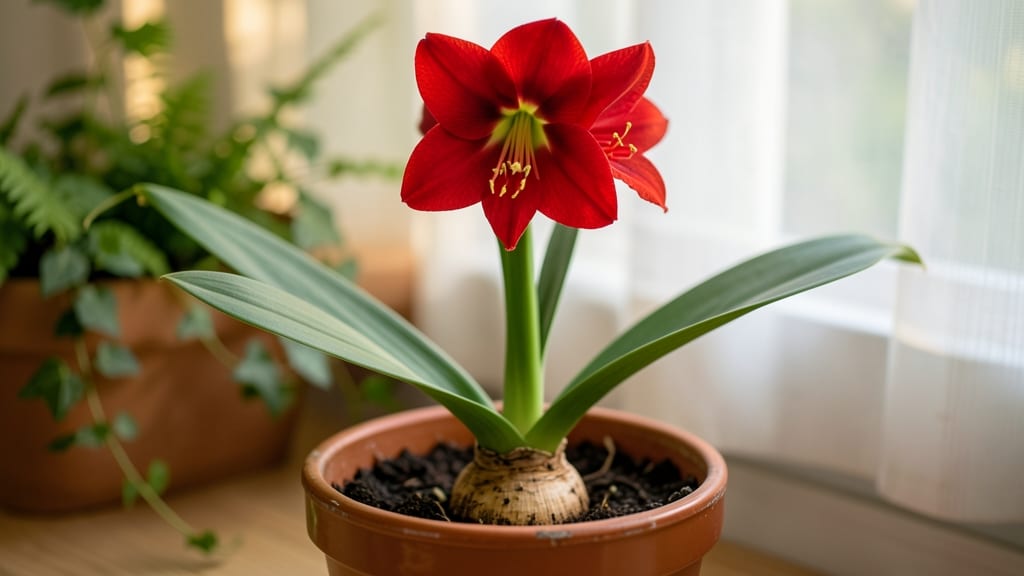
Your amaryllis blooms in 6-8 weeks when you force it right, turning a dormant bulb into a showstopper with just a little patience and timing.
Wondering why your amaryllis refuses to bloom? The secret lies in forcing—an easy technique that can make your plant burst into vibrant flowers in just 6-8 weeks with the right conditions and timing.
Most gardeners miss the mark by either planting too early or not giving the bulb enough light and warmth before the big show. But with a few simple adjustments—like a 12-hour light cycle and cooler nights—you can trigger those dramatic 🌸 blooms right when you want them.
Below, I’ll walk you through the exact schedule for forcing, how to troubleshoot common delays, and the best care tips to keep your amaryllis blooming year after year—no guesswork required.
How to force amaryllis blooms: step-by-step forcing schedule
Forcing amaryllis bulbs is like teaching them to bloom on command—perfect for holiday cheer or seasonal displays. The key is mimicking their natural dormancy and growth cycles with precise timing and conditions.
With a 6-8 week schedule, you can coax stunning 6-inch blooms just when you want them, whether for Thanksgiving tables or Valentine’s Day surprises.
Most amaryllis bulbs arrive pre-planted in pots, but even if yours is dormant, you can restart the cycle. The magic happens when you combine cool dormancy, warm growth, and bright light.
Start by choosing your target bloom date—typically 6-8 weeks before you want flowers—and work backward to create the perfect schedule.
Here’s your foolproof step-by-step forcing plan to guarantee blooms on time:
Place your bulb in a cool, dark spot (60-65°F) for 6-8 weeks to mimic winter. If your bulb is already potted, reduce watering to every 3-4 weeks and avoid fertilizer. This mimics natural conditions and primes the bulb for growth.
Move the bulb to a bright, warm location (70-75°F) and water thoroughly. The soil should stay moist but not soggy. You’ll see a 2-inch sprout within 1-2 weeks—this signals the forcing process is working!
Provide 12-14 hours of light daily (use grow lights if natural light is insufficient). Avoid direct afternoon sun to prevent leaf burn. Water when the top 1-2 inches of soil dry out, and fertilize lightly with a balanced 10-10-10 solution every 4 weeks.
Increase humidity slightly (place pot on a tray with pebbles and water) to support bud development. Reduce fertilizer to half-strength to avoid leafy growth at the expense of flowers. Your bloom stalk should reach 6-12 inches by this stage.
Enjoy 7-10 days of flowers! Once blooms fade, cut the stalk at the base but keep the bulb in its pot. Continue watering and fertilizing to encourage next year’s blooms. After 6-8 weeks of rest, repeat the cycle for another display.
Pro tip: For holiday timing, start forcing in early October for Thanksgiving blooms or late November for Christmas. Adjust your schedule based on your desired display date—just remember, consistency is key.
Skip the dormancy step if your bulb is already actively growing, but most store-bought bulbs need that initial cool period to perform.
If your amaryllis produces leggy stems or weak buds, it’s often a sign of insufficient light or overwatering. Move it closer to a window or supplement with a grow light for 14 hours a day.
The goal is to balance growth and flower production—too much water or fertilizer can shift energy away from blooms and toward leaves.
Once your amaryllis blooms, the fun doesn’t stop there! Deadhead spent flowers to redirect energy to the bulb, and consider saving the bulb for next year. With the right care, a single amaryllis can bloom year after year, becoming a reliable centerpiece for your seasonal displays.
Ready to try? Grab your bulb, set your calendar, and follow this schedule to guarantee blooms on time. Whether you’re a beginner or a seasoned gardener, forcing amaryllis is one of the most rewarding ways to bring color indoors—no green thumb required!
Best light, temperature, and watering conditions for faster amaryllis blooms
To coax your amaryllis into blooming faster, mastering the three key conditions—light, temperature, and water—is essential. These factors directly influence your plant’s ability to produce those stunning 6-inch flower stalks in just 6-8 weeks.
I’ve found that even a slight misstep in one area can delay blooms by weeks, so let’s dive into the specifics.
First, light exposure is non-negotiable. Amaryllis thrives on 12-14 hours of bright indirect light daily. Too little light leads to leggy stems and weak blooms, while too much direct sun can scorch the leaves.
I recommend placing your pot near an east- or west-facing window where it gets morning or late afternoon sun without harsh afternoon rays.
| Factor | Optimal Condition | Why It Matters |
|---|---|---|
| Light | 12-14 hours bright indirect light | Promotes strong stems and vibrant blooms |
| Temperature (Day) | 60-70°F | Encourages healthy foliage and flower buds |
| Temperature (Night) | 55-60°F | Triggers bloom stalk formation |
| Watering | Deep soak every 7-10 days | Prevents bulb rot while keeping soil moist |
| Humidity | 40-50% | Supports bud development without fungal risks |
Next, temperature control plays a crucial role in forcing blooms. During the day, aim for 60-70°F—this warmth helps the plant build energy for flowering. At night, a slightly cooler 55-60°F temperature mimics natural conditions and signals the bulb to produce a flower stalk.
I’ve noticed that even a 5°F drop at night can speed up bloom time by nearly a week.
When it comes to watering, consistency is key. Overwatering is the #1 killer of amaryllis blooms, as it causes bulb rot. Instead, water deeply every 7-10 days when the top inch of soil feels dry.
I use the "finger test" method—stick my finger into the soil to check moisture before watering. Always use a pot with drainage holes to prevent soggy roots.
One pro tip I’ve learned is to reduce watering slightly once the flower stalk appears. This helps the plant focus its energy on opening the buds rather than growing more foliage. Just keep the soil lightly moist—never let it dry out completely, but avoid standing water at all costs.
Finally, don’t forget about humidity levels. Aim for 40-50% humidity to support bud development without inviting fungal diseases. If your home is dry, place a tray of water with pebbles near the plant or use a humidifier. I’ve seen blooms last 2-3 weeks longer when humidity is just right.
🌸