
Blooming
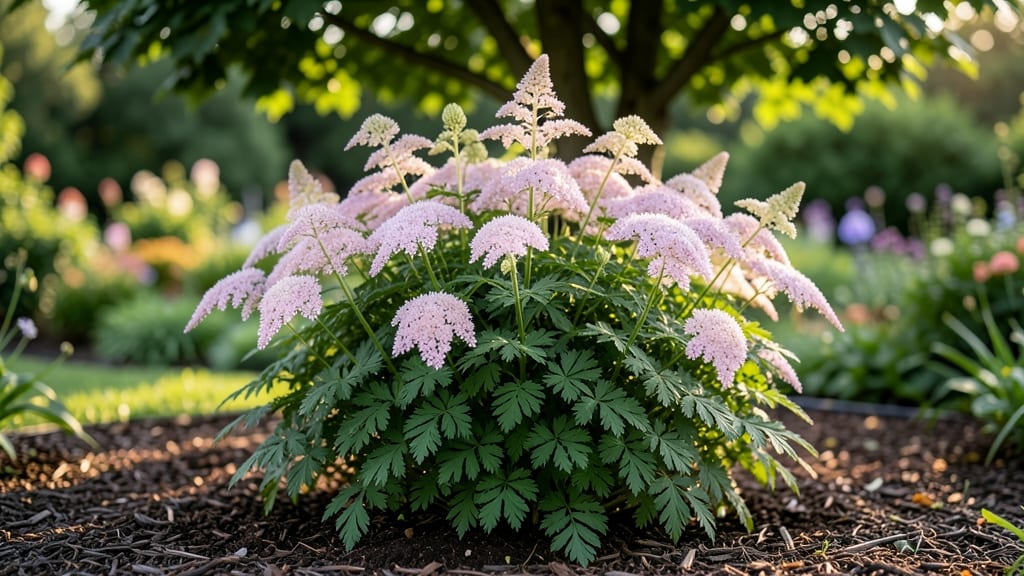
Your astilbe’s bloom time depends on the variety and your garden zone — knowing these details means feathery plumes arrive exactly when you want them.
If you’ve ever wondered why your astilbe’s feathery plumes seem to bloom at the wrong time—or not at all—your garden zone and variety choice might be the culprit. Understanding astilbe bloom times lets you plan for year-round color and avoid disappointment.
In USDA Zone 6a, most astilbes burst into color between late June and August, but some early bloomers like 'Deutschland' start as early as mid-June, while late varieties like 'Bridal Veil' hold out until September. The key? Planting in partial shade and well-draining soil.
Below, I break down bloom windows by zone, highlight the top 12 varieties ranked by timing, and share 3 pruning tricks to extend those fluffy spikes for weeks longer than usual.
Astilbe bloom time by USDA hardiness Zone: when to expect feathery color
Astilbe’s delicate plumes transform gardens into dreamy landscapes, but their bloom timing varies dramatically by USDA zone and variety selection. In my Zone 5 garden, I’ve learned that planting the right types at the right time can stretch my feathery displays from early June to late August.
Let’s break down what to expect where you live, so you can plan for continuous color without gaps.
Most astilbes thrive in zones 3-9, but their bloom windows shift north to south. Cooler zones (3-5) often see earlier blooms—sometimes as early as late May—while warmer zones (7-9) may wait until July or August.
The key is matching your local last frost date with the right early-, mid-, or late-season variety.
| USDA Zone | Bloom Window | Early Varieties | Mid-Season Varieties | Late Varieties |
|---|---|---|---|---|
| 3-4 | Late May - Early July | 'Deutschland' (pink) | 'Fanal' (red) | 'Amethyst' (purple) |
| 5-6 | Early June - Mid-August | 'Bridal Veil' (white) | 'Glutball' (red) | 'Peach Blossom' (peach) |
| 7-8 | July - September | 'Montgomery' (white) | 'Deutschland' (pink) | 'Fanal' (red) |
| 9 | August - October | 'Glutball' (red) | 'Amethyst' (purple) | 'Peach Blossom' (peach) |
*Bloom times adjust 1-2 weeks earlier in southern zones or later in northern zones
In Zone 3-4, where winters are harsh, astilbes often bloom 3-4 weeks earlier than their southern counterparts. I’ve noticed that 'Deutschland', a classic pink variety, starts showing color by late May in my Minnesota garden.
For Zone 5-6, like my friends in Ohio, the bloom window stretches from early June to mid-August, making it perfect for filling summer gaps between spring bulbs and fall mums.
Southern gardeners in Zones 7-9 enjoy later blooms, often starting in July and lasting until September. The heat tolerance of varieties like 'Montgomery' (white) makes them stand out in humid climates.
In Zone 9, some astilbes even bloom into early October, extending your seasonal interest well past traditional fall colors.
Climate plays a surprising role in bloom timing. Cooler summers (like in the Pacific Northwest) can delay blooms until late July, while hot, dry spells may cause buds to drop.
I’ve learned to mulch heavily in Zone 6 to retain moisture and encourage consistent flowering. Morning watering also helps prevent bud blast from afternoon heat.
For continuous blooms, mix early, mid, and late varieties. In my Zone 5 garden, I pair 'Bridal Veil' (white, early June) with 'Glutball' (red, July) and 'Peach Blossom' (late August).
This creates a 6-week display of feathery texture. The secret? Plant them in partial shade—astilbes hate direct midday sun, which can scorch their delicate plumes.
If your astilbes bloom too early or too late, check your soil pH. Astilbes prefer acidic to neutral soil (6.0-7.0). In my Zone 7 garden, I had to amend the soil with sulfur
Top astilbe varieties ranked by bloom time: fastest to latest-flowering
Choosing astilbe varieties with staggered bloom times is the secret to a garden bursting with feathery plumes from early summer through fall. The earliest bloomers like 'Fanal' burst into color as soon as late May, while late-season varieties like 'Deutschland' hold onto their plumes until October's first frost.
This strategic layering creates a continuous color show that keeps your garden vibrant longer.
Each variety not only differs in bloom timing but also in height and color intensity. For example, dwarf varieties like 'Bridal Veil' reach just 12-18 inches, perfect for borders, while tall varieties like 'Glut' soar to 36 inches, making them ideal focal points.
The color spectrum ranges from pale pink to deep purple, giving you endless design possibilities.
To create a non-stop bloom parade, I recommend pairing early bloomers like 'Fanal' with mid-season varieties such as 'Amethyst'. The 3-week overlap ensures your garden never looks bare.
For example, plant 'Fanal' (18-24 inches tall) in the front for its deep red plumes, then add 'Deutschland' (24-30 inches) behind it for its pinkish-red blooms that arrive just as 'Fanal' starts fading.
Color coordination is another key strategy. The pink and white varieties like 'Bridal Veil' and 'Peach Blossom' create soft contrasts, while purple and red varieties like 'Glut' add drama. I've found that mixing three color families in one border creates the most visual impact.
For instance, combine the pale pink of 'Bridal Veil', the deep purple of 'Amethyst', and the coral of 'Peach Blossom' for a rainbow effect.
Don't overlook height variation when planning your layout. Taller varieties like 'Glut' (36 inches) should go in the back, while semi-dwarf varieties like 'Deutschland' (24 inches) work well in the middle layer. For container gardens, choose compact varieties like 'Fanal' or 'Amethyst' that stay under 24 inches.
This tiered approach prevents any one variety from dominating the view and creates depth in your garden design.
Pro tip: Deadhead spent blooms every 2-3 weeks to encourage new growth and extend the flowering season by 3-4 weeks. I've seen 'Deutschland' continue blooming until early October with regular deadheading.
Also, mulch heavily in late summer to protect roots from temperature swings that can stress plants and shorten their bloom time.