
Blooming
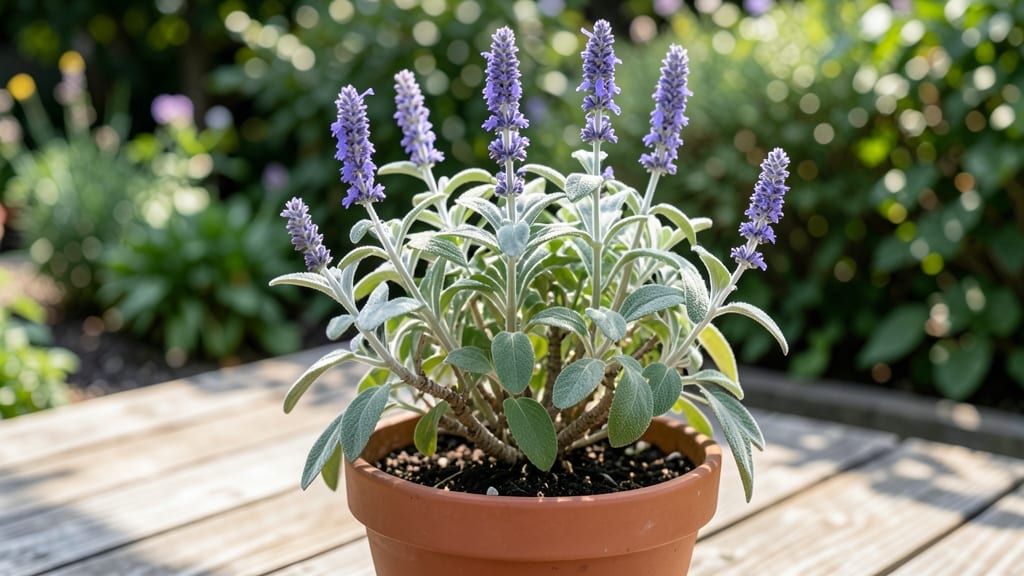
Black and Bloom sage transforms any garden into a fragrant, purple-hued masterpiece. 🌿 This variety stands out with its velvety dark foliage and striking lavender-blue flower spikes that bloom continuously from spring until frost—no deadheading required.
Its compact growth makes it perfect for borders, containers, or mixed beds where you want drama without overwhelming space. Pair it with silver foliage plants like lamb’s ear or dusty miller to create stunning contrasts, or combine it with white flowers like shasta daisies for a soft, romantic look.
Pollinators adore these blooms, making it a must-have for wildlife-friendly gardens. The fragrance alone—earthy yet slightly sweet—will draw you back to the garden again and again. For maximum impact, plant it in clusters of three or more.
In containers, it thrives alongside ornamental grasses and salvias, while in beds, it anchors perennial combinations beautifully. Let’s design with it!
📚 In This Guide
- What you need
- Instructions
- Tips and common mistakes
- Wrapping up and next steps
What you need
- ● Black and Bloom Sage Plant – 1 nursery-grown plant (6"–12" pot size) or seeds (if starting from scratch).
- ● Well-draining potting mix – 5–10 gallons (for containers) or enriched garden soil (for in-ground planting). Pro tip: Mix in perlite or sand for better drainage! 💡
- ○ Container (optional but recommended) – 12"–16" diameter pot with drainage holes (if not planting directly in the ground).
- ● Slow-release fertilizer – 1–2 cups of 10-10-10 or organic compost (for nutrient boost).
- ● Pruning shears – Sharp, clean pair for trimming spent blooms and shaping.
- ● Sunlight – Full sun (6+ hours daily) for optimal blooming.
- ● Water – Drought-tolerant! Water deeply but infrequently (let soil dry between waterings).
- ● Hardiness Zone – USDA Zones 5–9 (perennial in warm climates, annual in cooler zones).
- ● Mulch (to retain moisture and regulate soil temp).
- ● Epsom salt (1 tbsp/month for magnesium boost).
- ● Decorative stones or gravel (for a polished container look).
Step-by-Step instructions for growing black and Bloom sage
Here's how to cultivate this stunning purple-spiked variety that keeps flowering until frost.
🌱 Step 1: Select the Perfect Location and Prepare the Soil
Black and Bloom sage thrives in full sun—choose a spot receiving at least 6-8 hours of direct sunlight daily. This variety tolerates heat better than most, making it ideal for southern exposures. I always test the soil first with a simple pH kit; sage prefers neutral to slightly alkaline soil (6.5-7.5 pH).
Amend heavy clay soil with 2-3 inches of coarse sand or perlite to improve drainage—sage roots rot quickly in soggy conditions. Work in 1-2 inches of compost for nutrients, but avoid fresh manure, which can burn tender roots. The goal is well-draining, fertile soil that mimics its native Mediterranean habitat.
🪴 Step 2: Plant at the Right Depth and Spacing
Dig holes twice as wide as the root ball but only as deep as the container's bottom. This prevents burying the stem, which encourages rot. Space plants 18-24 inches apart—they spread wider than they grow tall, and crowding leads to poor air circulation that invites fungal diseases.
Remove the plant from its container and gently tease apart any circling roots. Place it in the hole so the top of the root ball sits level with the surrounding soil. Fill the hole and press firmly around the base, creating a slight watering well. Water deeply right after planting to settle the soil and eliminate air pockets.
☀️ Step 3: Water Deeply and Establish a Consistent Routine
Water deeply once a week during the first growing season, allowing 1-2 inches of water to penetrate the soil. You'll know you've watered enough when the top 3-4 inches of soil feel moist—not soggy, just consistently damp. Black and Bloom sage stores water in its stems, so frequent shallow watering encourages weak, floppy growth.
After the first year, reduce watering to once every 10-14 days unless your area experiences extreme heat (above 90°F). Check moisture by sticking your finger 2 inches deep—if it feels dry, water thoroughly. Mulch with 2-3 inches of gravel or coarse bark to conserve moisture and prevent soil compaction.
✂️ Step 4: Prune for Bushier Growth and Extended Blooms
Prune right after the first flush of flowers in early summer to encourage a second (and often third) bloom cycle. Cut back one-third of the oldest stems to the nearest leaf node, using clean, sharp pruners. This removes spent blooms and stimulates new growth from the base. Avoid shearing—it creates dense, leggy growth that flowers poorly.
In late summer, give the plant a light haircut by trimming just the tips of the stems. This prevents woody growth and keeps the plant compact. Deadhead spent blooms throughout the season to redirect energy into new flowers. I always prune on a dry, sunny morning—this reduces disease risk and lets cuts heal quickly.
⏰ Step 5: Overwinter Care for Year-Round Beauty
Black and Bloom sage is hardy to USDA Zone 5, but young plants benefit from winter protection. Once temperatures drop below 20°F, mound 4-6 inches of mulch around the base using straw or shredded leaves—never use dense mulch that traps moisture. In colder climates, wrap the plant in burlap or frost cloth to shield it from freezing winds.
Prune back one-third of the growth in early spring before new shoots emerge. This removes winter-damaged stems and encourages fresh, vigorous growth. Resume regular watering when you see new shoots breaking through the soil—this is your signal that the plant is waking up for another season of purple spikes and fragrant foliage.
Tips & tricks for perfect black and Bloom sage cultivation
Here's what nobody tells you about keeping this showstopper thriving season after season.
Sunlight Strategy: While 6-8 hours of sun is ideal, Black and Bloom sage can actually handle up to 10 hours of direct sunlight—especially in hotter climates. If you notice leaves turning yellow or stems becoming leggy, it's getting too much midday sun. Try providing afternoon shade during peak summer heat (when temps exceed 90°F) to prevent stress. The purple hues actually deepen with more sunlight, so don't be afraid to give it plenty!
Soil Science: That 6.5-7.5 pH range isn't just arbitrary—sage thrives when soil pH mimics its Mediterranean roots. Test your soil first! If your garden soil tests acidic (below 6.5), mix in crushed limestone at planting time. For containers, use a cactus/succulent mix with perlite—this combination gives you the perfect drainage while maintaining that slightly alkaline environment. I've seen Black and Bloom sage struggle in heavy garden soil that never dries out, even when following all other instructions.
Pruning Precision: When you cut back those one-third of oldest stems in Step 4, make your cuts at a 45-degree angle just above a leaf node. This angled cut prevents water from pooling on the stem, reducing rot risk. For the late-summer haircut, focus on removing only the top 1-2 inches of growth—this keeps the plant compact without sacrificing next year's blooms. I've seen gardeners over-prune in fall, leaving bare stems that take forever to regrow in spring.
Pro Tips for Black And Bloom Sage
- Here's what nobody tells you about keeping this showstopper thriving season after season.
- Sunlight Strategy: While 6-8 hours of sun is ideal, Black and Bloom sage can actually handle up to 10 hours of direct sunlight—especially in hotter climates.
- Soil Science: That 6.5-7.5 pH range isn't just arbitrary—sage thrives when soil pH mimics its Mediterranean roots.
Frequently asked questions
Got questions about growing black and bloom sage? You’re not alone! Here are answers to the most common queries to help you nurture these stunning purple-spiked beauties with confidence.
How do I encourage my black and bloom sage to rebloom multiple times?
Prune back one-third of the plant right after the first bloom cycle (usually spring). This stimulates new growth and triggers those fragrant purple spikes to return! Avoid heavy pruning in late summer—give your sage time to harden off before winter. Pro tip: Deadhead spent blooms to redirect energy into fresh flowers.
When is the best time to plant black and bloom sage outdoors?
Plant in early spring (after the last frost) or early fall for best results. Sage thrives in well-draining soil and full sun (6+ hours daily). If planting in summer, water deeply and mulch to retain moisture while roots establish. Avoid soggy soil—sage hates "wet feet"!
Can I grow black and bloom sage in containers? What size pot should I use?
Use a minimum 12-inch pot with drainage holes to prevent root rot. Opt for terracotta (breathable material) and fill with a sandy, well-draining potting mix. Containers dry out faster, so water when the top inch of soil feels dry. Place pots in full sun for optimal blooms.
Why aren’t my sage leaves turning purple like they should?
Purple foliage fades if your sage gets too much nitrogen (from over-fertilizing) or not enough sun. Switch to a low-nitrogen fertilizer (like 5-10-10) and ensure 6+ hours of direct sunlight daily. Variegated or green-leafed sage? Some varieties naturally have less purple!
Does black and bloom sage survive winter? How should I protect it?
Yes! Sage is hardy to USDA Zone 5 (or colder with protection). In fall, trim back dead growth and apply a 2–3 inch layer of mulch around the base. For young plants or harsh winters, wrap the crown with burlap or use a lightweight frost cloth. Prune back in early spring to reveal fresh growth.
Wrapping up and next steps
Growing black and bloom sage is like unlocking a fragrant, purple-hued treasure in your garden—one that keeps giving with its stunning reblooming spikes! 🌿 Whether you’re drawn to its bold color, hardy nature, or culinary versatility, this plant is a game-changer for both beauty and utility.
With the right care, you’ll enjoy its vibrant blooms and aromatic leaves all season long.
Ready to dive in? Start by gathering your supplies, then follow the steps to nurture your black and bloom sage with confidence. Happy gardening—your future purple blooms are waiting! 🌸