
Plants
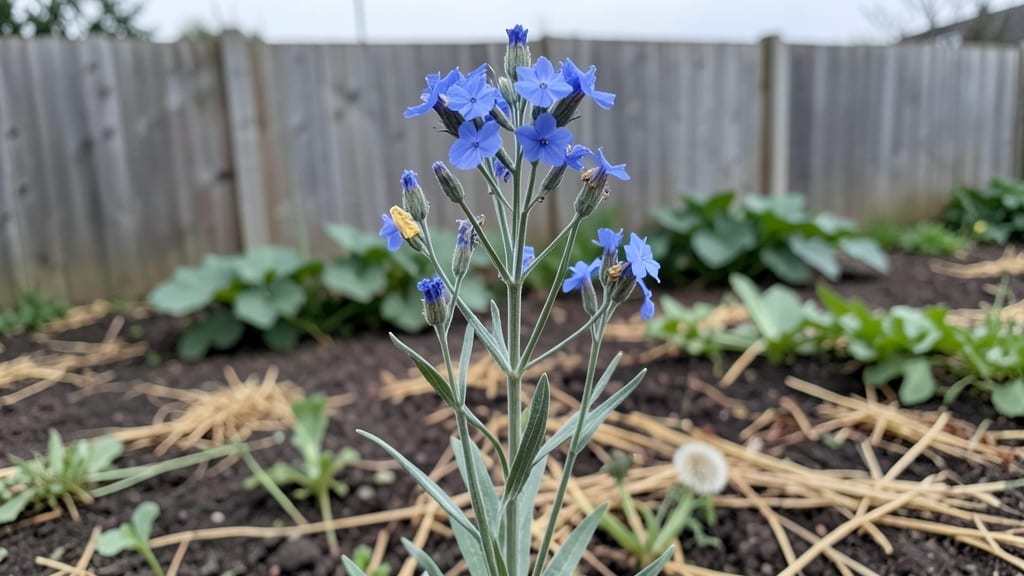
A stunning blooming flax field 🌾 can turn your garden into a serene blue paradise, drawing bees and butterflies while adding a dreamy, meadow-like charm.
Imagine waking up to waves of delicate blue blooms swaying in the breeze—this isn’t just a fantasy, but a reality for gardeners who plant flax in spring.
Whether you have a sprawling backyard or a cozy corner, these hardy plants thrive in USDA Zone 6a and beyond, making them perfect for almost any landscape.
Beyond their beauty, flax fields are a pollinator magnet, supporting local ecosystems while creating a picturesque backdrop for your outdoor space. With minimal care, they’ll reward you with vibrant color from July through August, long after other spring blooms have faded.
In this guide, I’ll walk you through everything from planting tips to pairing flax with complementary flowers, so you can craft a garden that’s as functional as it is breathtaking.
How to plant and grow flax seeds for vibrant blue fields
Creating a blooming flax field starts with understanding the perfect conditions for these delicate blue flowers. Flax (Linum usitatissimum) thrives in open spaces where it can spread freely, creating a stunning pollinator-friendly meadow.
The key to vibrant blooms lies in precise planting techniques and consistent care—let’s dive into the essential steps to make your dream flax field a reality.
Flax seeds are tiny but mighty, requiring careful handling to ensure strong germination. The ideal planting window is just after your last frost date, typically in March or April in most USDA zones.
This timing allows the plants to establish roots before summer heat arrives, setting the stage for prolonged flowering from June through August. Let’s break down the process into clear, actionable steps.
Select a sun-drenched area with 6+ hours of direct sunlight daily. Flax plants despise shade—this is non-negotiable for those iconic blue blooms.
Flax thrives in well-draining soil with a slightly acidic to neutral pH (6.0-7.0). Loosen the top 6 inches of soil and mix in compost to improve fertility without compacting.
Scatter flax seeds thinly over the prepared soil, aiming for 1/4 inch deep. Space rows 12-18 inches apart to allow plants to spread naturally—overcrowding leads to weak stems and fewer blooms.
Keep the soil consistently moist but never soggy. Use a fine mist or drip irrigation to avoid disturbing seeds. Once seedlings emerge (in 7-14 days), reduce watering to deep soaks every 7-10 days.
When seedlings are 2 inches tall, thin them to 6-12 inches apart. This prevents competition and ensures each plant has room to grow tall and sturdy with abundant blooms.
Apply a balanced fertilizer (5-10-10) at planting and again 4 weeks later. Flax is light feeder—over-fertilizing leads to leafy growth at the expense of flowers.
Spread straw or grass clippings around plants to retain moisture and suppress weeds. Avoid thick mulch layers, as flax roots need good airflow.
With proper care, your flax field will burst into vibrant blue flowers by mid-summer. Deadhead spent blooms to encourage continuous flowering and attract bees and butterflies all season.
One of the most rewarding aspects of growing flax is watching the blue blooms transform your garden into a pollinator paradise. These delicate flowers not only add a soft blue hue to your landscape but also support local ecosystems.
To maintain their beauty, avoid heavy foot traffic—flax stems are brittle and can snap easily under pressure.
If you’re aiming for a naturalized look, let the flax self-seed. Each plant produces thousands of seeds, ensuring your blooming flax field expands year after year with minimal effort. Just be mindful of where seeds land—flax can become invasive in some climates if not contained.
For a structured garden design, pair flax with salvia or lavender to create a cohesive color palette. These companions thrive in similar conditions and add texture to your blue flower field.
With these steps, you’ll be well on your way to cultivating a stunning, low-maintenance flax field that brings joy for years to come.
Remember, the secret to a vibrant flax field lies in patience and consistency. These plants reward careful gardeners with months of color and a serene, wildflower-meadow aesthetic that’s perfect for any landscape. Happy planting!
Best soil conditions, spacing, and care tips for flax flower fields
Creating a blooming flax field starts with understanding the plant's ideal soil conditions. Flax thrives in well-draining soil with a slightly acidic to neutral pH (6.0-7.0). Sandy loam or loamy soil works best, as it prevents waterlogging, which can cause root rot.
Amending heavy clay soil with compost or sand improves drainage and aeration for healthier roots.
Proper spacing between plants ensures each flax plant gets enough sunlight and nutrients. For a dense blue field, space seeds 6-12 inches apart in rows that are 12-18 inches apart.
This spacing allows airflow, reducing disease risk while maximizing flower production. If you're planting for seed harvest, wider spacing (18-24 inches) gives stems room to grow tall and sturdy.
| Condition | Requirement | Specification |
|---|---|---|
| Soil Type | Drainage | Well-draining, sandy loam |
| pH Level | Ideal Range | 6.0-7.0 (slightly acidic to neutral) |
| Spacing | Seed Spacing | 6-12 inches apart |
| Row Spacing | Row Width | 12-18 inches apart |
| Sunlight | Daily Needs | 6+ hours full sun |
| Watering | Frequency | Deep soak weekly |
Flax plants are drought-tolerant once established, but consistent moisture during germination and early growth is crucial. Water deeply in the morning to reduce evaporation and fungal risks.
Avoid overhead watering, as wet foliage can attract pests. Mulching with straw or shredded leaves helps retain moisture and suppress weeds, keeping your blue flax field looking pristine.
Seasonal care adjustments ensure continuous blooms. In spring and early summer, focus on keeping soil moist and providing a light fertilizer (5-10-10 NPK) every 4-6 weeks. By mid-summer, reduce watering to every 10-14 days, allowing plants to mature fully.
In fall, stop fertilizing and let plants go dormant naturally, preparing them for next year’s growth.
Pruning isn’t typically needed for flax, but removing spent blooms encourages more flowers. Deadheading faded blooms redirects energy to new growth, extending your blooming flax field season. If you’re growing flax for seeds, leave some flowers to mature on the plant.
Harvest seeds when pods turn brown and dry, usually in late summer or early fall.
To maximize your flax flower field, consider companion planting. Pair flax with lavender, yarrow, or marigolds to deter pests naturally while enhancing the visual appeal. These plants thrive in similar conditions and create a pollinator-friendly haven.
With the right soil, spacing, and seasonal care, your flax field will flourish into a breathtaking blue oasis.