
Blooming
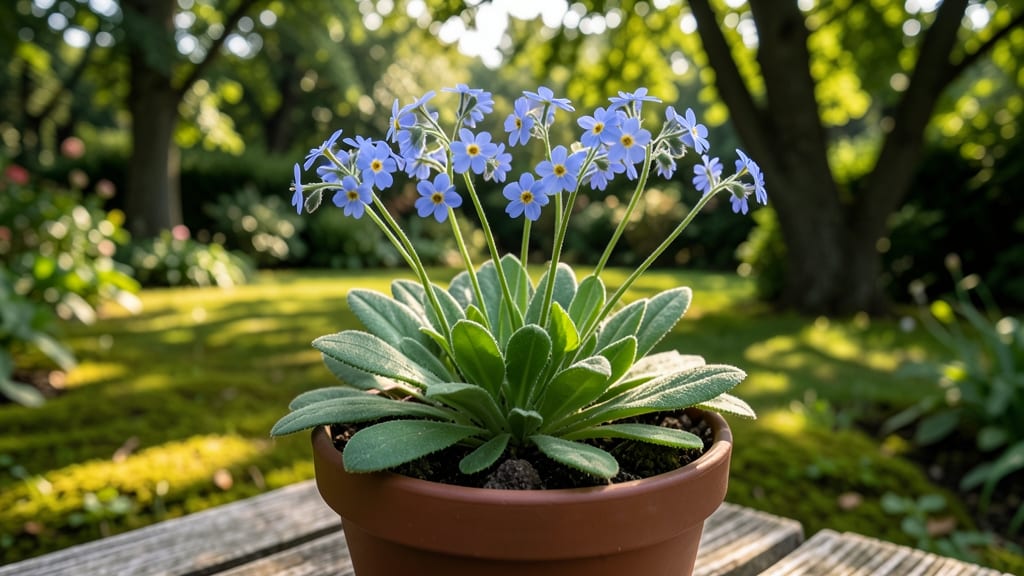
Spring’s delicate blue blooms arrive at the forget-me-not bloom time, when Myosotis bursts into color—typically April through June, but cooler climates stretch their show into early July. 💙 I’ve watched mine transform a shady corner into a sea of tiny blossoms, and the timing depends on when winter’s chill finally lifts.
The first flush of flowers arrives after the soil warms to 50°F, signaling it’s safe to plant or expect blooms from last year’s roots.
These little charmers thrive in partial shade, making them perfect for garden edges or woodland areas where other flowers wilt. Well-draining soil—rich in organic matter but not soggy—keeps them blooming longer, while morning sun prevents wilting.
Overwatering is their downfall; let the top inch dry between waterings, and you’ll avoid the sad, droopy look that kills their charm.
To coax more blooms, deadhead spent flowers regularly—this trick works wonders for extending the season. Prune back leggy stems after flowering to encourage bushier growth next year.
With the right care, your forget-me-nots will reward you with weeks of soft blue blooms, turning heads (and attracting pollinators) long after spring’s first flush fades.
Warmer zones may see a second, smaller bloom in fall, but most gardeners focus on that spring spectacle. Whether you’re planting from seed or dividing established clumps, timing is everything—start indoors 8-10 weeks before your last frost for the earliest blooms.
Patience pays off: these tiny flowers pack a big punch in any garden.
📚 In This Guide
- What you need
- Instructions
- Tips and common mistakes
- Wrapping up and next steps
What you need
- ● Forget Me Not Seeds or Plants: Seed variety: Myosotis sylvatica (woodland forget-me-not) or Myosotis alpestris (alpine forget-me-not).
- ● Quantity: 20–50 seeds (or 3–5 young plants) for a small patch, 100+ for a full border.
- ● Well-Draining Soil: Mix 60% garden soil with 30% compost and 10% perlite or sand for optimal aeration.
- ● Organic Fertilizer: Balanced 10-10-10 or slow-release granules (½ cup per 10 sq ft).
- ● Mulch: 1–2 inches of shredded bark or straw to retain moisture and suppress weeds.
- ● Hand trowel or transplanting spade.
- ○ Garden gloves (optional but recommended for seed handling).
- ● Watering can or hose with a gentle spray nozzle.
- ● Pruners (for deadheading spent blooms).
- ● Sunlight: Partial shade (3–6 hours of morning sun) for best results.
- ● Moisture: Consistent soil dampness (avoid waterlogging).
- ● Planting Time: Start seeds indoors 8–10 weeks before last frost or direct-sow in early spring.
- ● Spacing: 6–12 inches apart for clusters, 18+ inches for full plants.
- ● Slow-release fertilizer spikes for long-term nourishment.
- ● Epsom salt (1 tbsp per gallon of water) for magnesium boosts.
- ● Copper tape to deter slugs (a common pest!).
- ● Decorative edging (e.g., stones or mulch rings) for a polished look.
Step-by-step guide to timing forget-me-nots for perfect spring blooms
Here’s how I coax those signature blue blooms to appear right when spring’s ready for them.
🌱 Step 1: Start Seeds Indoors at the Right Time
Forget-me-nots thrive when planted indoors 8-10 weeks before your last frost date. I like to begin in early March for most climates—this gives seedlings enough time to develop sturdy roots before transplanting. Use a sterile seed-starting mix in small pots (2-3 inches deep) and sow seeds just below the surface—they need light to germinate, so don’t bury them.
Keep the soil consistently moist (not soggy) and maintain temperatures between 60-65°F for optimal germination. You’ll see tiny sprouts in 10-14 days, but don’t rush to move them—wait until they have 2-3 true leaves before hardening off. Forget-me-nots are finicky about root disturbance, so gentle handling is key.
☀️ Step 2: Harden Off and Transplant at Peak Growth
Two weeks before transplanting, gradually introduce seedlings to outdoor conditions. Start with 1-2 hours of shade on mild days, then increase exposure by 30 minutes daily. Watch for wilting or yellowing leaves—this means they’re not ready yet. Forget-me-nots hate stress, so slow acclimation prevents shock.
Transplant on a cool, overcast day when soil temperatures are below 60°F. Space plants 6-8 inches apart in partial shade (they’ll tolerate morning sun but avoid hot afternoon rays). Water deeply at the base to encourage root spread. You’ll know they’re settling in when new leaves appear within 7-10 days—this is your cue to ease up on watering slightly.
💧 Step 3: Maintain Consistent Moisture for Blooming
Forget-me-nots bloom best with even moisture—never let the soil dry out completely, but avoid soggy conditions. Water early in the morning so foliage dries quickly, preventing fungal issues. Mulch lightly with 1 inch of organic matter (like shredded leaves) to retain moisture and suppress weeds. You’ll see buds form 6-8 weeks after transplanting, signaling success.
Fertilize lightly with a balanced, water-soluble fertilizer (10-10-10) every 4-6 weeks once blooms appear. Too much nitrogen delays flowering, so cut back after the first flush of blue blooms. Deadhead spent flowers to encourage continuous blooming through early summer—just pinch off faded blooms with your fingers (no need for shears).
✂️ Step 4: Extend the Bloom Season Strategically
To prolong blooming, cut back leggy stems after the first flush of flowers. Trim just above a set of leaves to encourage bushier growth. Forget-me-nots self-seed readily, so thin out excess seedlings in fall to avoid overcrowding next spring. They’ll reward you with naturalized patches over time—just let a few extra plants go to seed.
Watch for powdery mildew in humid climates—this shows as white spots on leaves. Improve airflow by spacing plants properly and watering at the base. If mildew appears, treat with a neem oil solution (1 tsp per quart of water) and remove affected leaves. With proper care, your forget-me-nots will bloom from late spring through early summer, offering that classic blue charm.
Tips & tricks for perfect spring forget-me-not blooms
Timing is everything with forget-me-nots—these delicate blooms demand patience and precision for that signature blue charm. Here's what I've learned after years of coaxing them to bloom reliably.
Timing Secret: That 8-10 week indoor start window is non-negotiable for most climates. I've found that starting in early March gives you that perfect balance—early enough for strong root development before transplanting, but not so early that seedlings get leggy waiting for spring. If you're in a warmer zone, you can push it back by 2-3 weeks, but never skip the full 8 weeks. The roots need time to establish before facing outdoor conditions.
Temperature Matters: Forget-me-nots are sensitive to temperature swings, especially during the critical 60-65°F germination window. I use a seedling heat mat set to 65°F for the first week to ensure consistent warmth. After sprouts appear, maintain that 60-65°F range by placing trays on a sunny windowsill (south-facing is ideal) or under grow lights. Sudden temperature drops can stall germination completely.
Transplanting Strategy: The 7-10 day recovery period after transplanting is your best indicator of success. If you don't see new leaves within that window, your plants are stressed—likely from transplant shock or improper spacing. I've learned to always transplant on overcast days when soil temps are below 60°F, and to water deeply at the base rather than overhead. This prevents root disturbance and encourages downward growth.
Bloom Extension: Deadheading spent flowers every 7-10 days is the secret to continuous blooming. I've found that forget-me-nots respond beautifully to this encouragement—pinching off faded blooms signals the plant to produce more flowers rather than seeds. Just be gentle with those delicate stems! The key is consistency: don't let more than 2-3 flowers go to seed at a time, or you'll see a noticeable drop in new blooms.
Pro Tips for Forget Me Not Bloom Time
- Timing is everything with forget-me-nots—these delicate blooms demand patience and precision for that signature blue charm.
- Timing Secret: That 8-10 week indoor start window is non-negotiable for most climates.
- Temperature Matters: Forget-me-nots are sensitive to temperature swings, especially during the critical 60-65°F germination window.
Frequently asked questions
Got questions about the forget me not bloom time? You’re not alone! Here are some of the most common queries—plus quick answers to help you nurture these charming blue blooms like a pro.
When is the best time to plant forget-me-nots for spring blooms?
Plant forget-me-nots in early spring (March–April) or late summer (August–September) for vibrant blooms the following year. They thrive in cool weather, so avoid planting in scorching heat. For container gardening, start seeds indoors 6–8 weeks before the last frost for a head start!
How long does it take for forget-me-nots to bloom after planting?
From seed, forget-me-nots typically bloom in 60–90 days under ideal conditions. If planting mature seedlings, expect flowers in 4–6 weeks. Patience is key—these delicate blooms reward consistency with their cheerful blue hues!
Why aren’t my forget-me-nots blooming this year?
Common culprits include overcrowding, poor sunlight (they need partial shade), or excessive fertilizer (which promotes foliage over flowers). Deadhead spent blooms and ensure they get 6+ hours of light daily. If soil is too rich, dilute fertilizer to half-strength.
Can I grow forget-me-nots in containers, or do they need a garden bed?
Forget-me-nots thrive in well-draining containers (6+ inches deep) with a mix of potting soil and perlite. Choose shallow-rooted varieties like Myosotis sylvatica for pots. Just ensure containers have drainage holes and water regularly—these blooms love moisture but hate soggy roots.
What are some forget-me-not alternatives with similar bloom times?
If you love forget-me-nots’ early spring charm, try these blue-hued alternatives:
- Lungwort (Pulmonaria): Heart-shaped leaves + early purple/pink blooms.
- Bluebells (Hyacinthoides non-scripta): Woodland-friendly, bell-shaped flowers.
- Primroses (Primula): Bold colors (including blue) and long bloom seasons.
Wrapping up and next steps
The forget-me-not bloom time is a fleeting yet magical moment in spring—packed with symbolism, care, and beauty. Whether you’re nurturing these delicate blue blooms in your garden or simply admiring their resilience, their message of remembrance reminds us to cherish life’s small, vibrant moments. 🌸
Now that you’re equipped with the how-to and answers to common questions, why not take the next step? Share your forget-me-not journey with fellow gardeners on social media, or plant a few more to create a stunning blue carpet of memories. Happy blooming! 💙