
Blooming
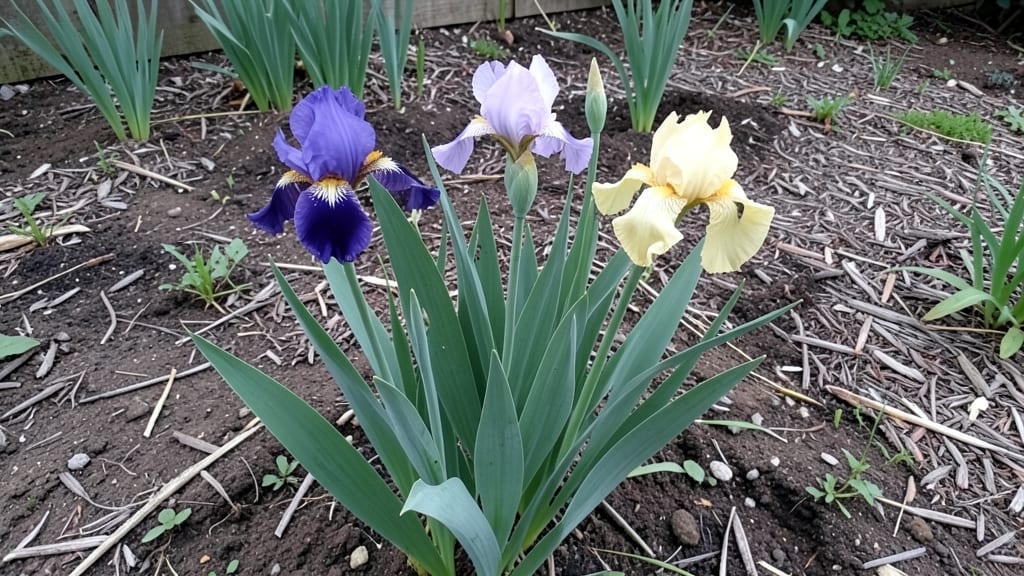
Irises typically bloom in late spring, between April and June, though exact timing depends on climate zones, variety, and planting conditions. Early bloomers may appear as soon as March in warmer regions, while late varieties extend into early summer.
Understanding iris blooming patterns starts with daylight—these flowers thrive when days lengthen, typically after the spring equinox. Cooler climates like the Pacific Northwest often see blooms push into June, while Southern gardens may enjoy earlier March flowers thanks to milder winters. Frost-sensitive varieties can even delay blooming if spring freezes linger, so choosing hardy cultivars for your zone makes a big difference. 🌸
Once planted, irises reward patience: established rhizomes often bloom reliably for 10-15 years with proper care. The key is balancing sunlight (full sun for best blooms) and soil drainage—waterlogged roots can stall flowering entirely.
For container growers, I’ve found that dividing clumps every 3-4 years refreshes growth and extends the bloom season by encouraging multiple shoots. The right variety can even let you enjoy irises from early spring through summer!
💡 In This Article
- Climate Zones and Iris Flowering Seasons
- Extending Iris Bloom Seasons with Gardening Tips
Climate zones and iris flowering seasons
Daylight length is the primary trigger for iris blooming, but temperature plays an equally critical role. Irises need a period of dormancy in winter to break their dormancy cycle, which typically requires 40-60 days below 40°F.
In USDA Zone 5 or colder (like Minnesota or upstate New York), this chilling period ensures reliable blooms in May-June. Meanwhile, in Zone 8-10 (Florida or Southern California), milder winters mean irises often bloom earlier—sometimes as early as February—because they don’t need as much cold exposure to trigger flowering.
The Pacific Northwest presents a unique case where cool, damp springs can delay blooming until late May or even June. Here, 12-14 hours of daylight (reached around late April) combined with consistent 50-60°F daytime temps finally coaxes buds open.
In contrast, the Southeast’s warmer winters (like in Georgia) allow early bloomers to emerge by March, but late freezes can damage emerging buds. What most gardeners don’t realize is that temperatures above 80°F during bloom time can cause buds to abort, shortening the flowering window dramatically.
Frost cycles also create regional variations. In Zone 4-6 (Midwest or New England), late spring frosts after buds form can push blooming into June. I’ve seen this firsthand in Wisconsin, where March-planted irises often wait until May to bloom safely.
Meanwhile, in Zone 7-9, where winters rarely drop below freezing, irises may bloom in staggered waves—some varieties in March, others in May—creating a prolonged display. This is why selecting early, mid, and late-season cultivars is smart for extending your garden’s color palette.
Here’s what’s actually happening at the cellular level: Irises store energy in their rhizomes during summer and fall. When winter chilling occurs, hormones like abscisic acid (which signals dormancy) decrease, while gibberellins (growth promoters) increase. This hormonal shift, combined with increasing daylight, triggers bud formation.
In warmer climates without adequate chilling, this process stalls—explaining why some tropical irises (like Iris × hollandica) bloom year-round but with smaller, less vibrant flowers.
Soil temperature matters too. Rhizomes need to warm to 55-60°F before active growth begins. In heavy clay soils (common in the Midwest), this warming happens slower, delaying blooms by 2-3 weeks compared to sandy soils (like those in the Southeast).
That’s why amending soil with compost or using raised beds can advance blooming by 10-14 days in cooler regions. The right soil prep turns a "late bloomer" into a reliable spring star.
One final nuance: Container-grown irises often bloom 2-3 weeks earlier than in-ground plants because containers warm up faster in spring sunlight. This is why urban gardeners in Zone 6-7 (like Chicago or Philadelphia) can enjoy March blooms—even when rural areas wait until May.
The takeaway? Climate isn’t just about latitude; it’s about how your specific microclimate interacts with these biological triggers. 🌿