
Blooming
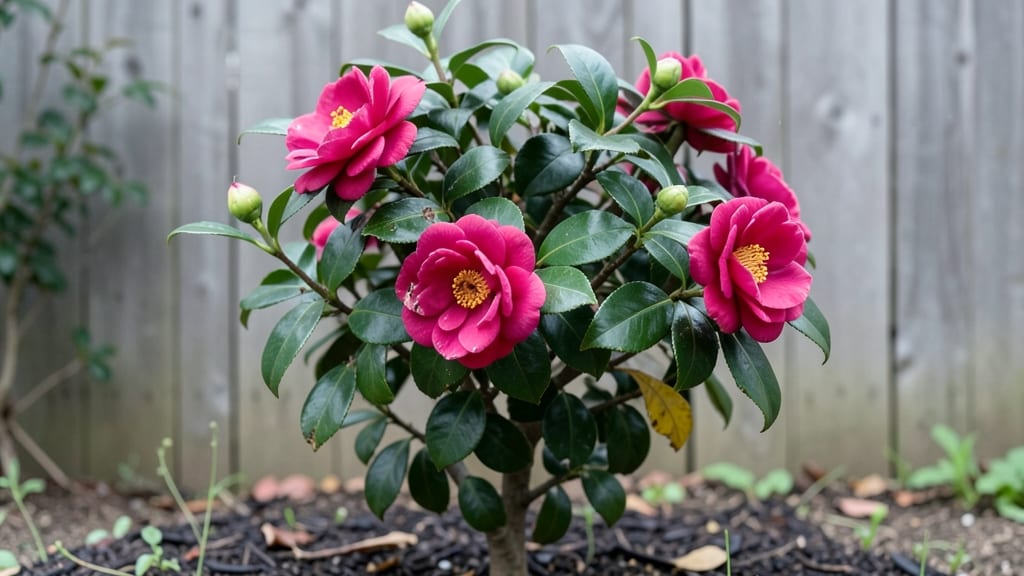
Camellia blooming season varies by variety and climate, typically spanning late fall through early spring, with winter bloomers peaking in December to February in warmer regions and spring bloomers emerging from March to May in cooler areas.
Understanding these seasonal patterns helps gardeners plan their landscapes for continuous color. For instance, Sasanqua camellias often bloom earlier than Japonica varieties, making them perfect for adding winter interest in milder climates like Southern California or the Gulf Coast.
Meanwhile, cooler inland regions may see their peak blooms shift slightly later due to temperature variations, so knowing your local microclimate makes all the difference. 🌸
What's fascinating is how some varieties even overlap seasons—like 'Yuletide', which bursts into bloom around the holidays, or 'April Tryst', which lights up gardens as spring arrives. This diversity means you can strategically mix species to enjoy camellias nearly year-round with the right care and placement.
The key is observing your local frost dates and adjusting plant selections accordingly.
💡 In This Article
- Factors Affecting Camellia Flower Timing
- Best Camellia Varieties for Year-Round Color
Factors affecting camellia flower timing
Camellias are masterful at reading their environment, using temperature shifts as natural cues to trigger blooming. The key factor is chill hours—the cumulative number of hours below 45°F—which varies dramatically between regions.
For example, Sasanqua camellias often require only 200-300 chill hours, making them ideal for coastal areas like San Diego or Savannah, where winters are mild but frost-free.
In contrast, Japonica varieties typically demand 500-700 chill hours, which explains why they thrive in inland zones like Atlanta or Portland where colder nights are more common. 🌡️
Sunlight exposure plays a secondary but crucial role in refining bloom timing. While camellias prefer partial shade (especially in hot climates), they actually need direct sunlight—about 4-6 hours daily—to form flower buds. The catch?
Too much intense afternoon sun in summer can stress the plant, delaying blooming until autumn when temperatures moderate. This is why coastal gardens often see earlier blooms—the ocean breeze moderates temperatures, creating a gentler transition between seasons.
Inland areas might experience a 2-4 week delay as plants wait for stable conditions.
USDA hardiness zones further refine these patterns. Plants in Zones 7-9 (like Florida or Southern California) typically bloom from November through March, while those in Zones 6-7 (such as the Pacific Northwest) may not peak until February or March.
The science behind this lies in dormancy triggers: camellias enter a rest period when nights stay consistently cool, and flower buds form during this time.
Warmer winters can confuse this cycle, leading to erratic blooming—hence why gardeners in Zone 8 sometimes see two bloom cycles in a single year if temperatures fluctuate unpredictably. 🌿
Another critical variable is soil temperature. Camellias planted in well-draining, acidic soil (pH 5.0-6.0) with consistent moisture perform best because their roots stay active year-round. When soil temperatures drop below 50°F, root growth slows, which can delay bud formation.
This is why raised beds or mulched areas often produce earlier blooms—they insulate roots from extreme cold. Conversely, heavy clay soils that stay cold longer can push blooming back by 3-6 weeks in spring.
For gardeners, understanding these factors means selecting varieties that match their local climate. For instance, 'Winter's Star' Sasanqua thrives in Zone 7b, blooming from December to February, while 'Desire' Japonica needs Zone 7a or colder for optimal spring displays.
The takeaway? Pay attention to microclimates—your garden's specific conditions can shift bloom times by weeks compared to regional averages. 💡
One often-overlooked detail is how pruning timing interacts with these natural cycles. Heavy pruning after blooming removes next year's buds, while strategic light pruning in late winter (after the last frost) can encourage earlier spring blooms.
The goal is to balance the plant's energy reserves—too much pruning delays flowering, while too little may result in overcrowded branches that produce smaller blooms. 🌸