
Blooming
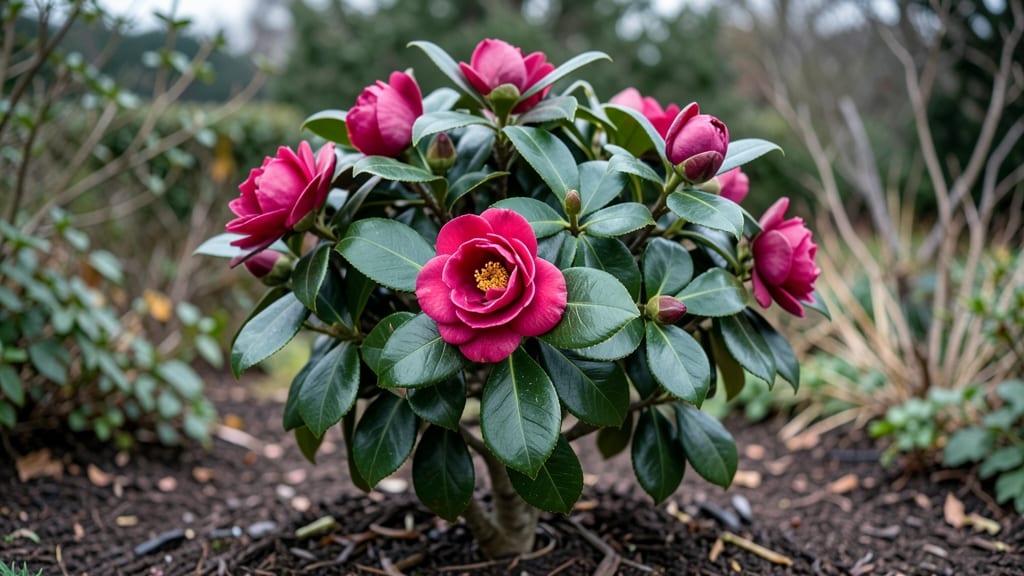
Winter blooms when everything else sleeps—camellias defy the cold with their frost-resistant varieties that turn bare branches into jewel-toned masterpieces. 🌸 I’ve watched my ‘Winter’s Star’ camellia burst into bloom at 35°F while snow dusted the leaves, proving these bushes are winter’s secret weapon for color.
The key isn’t just picking the right variety—it’s understanding how to protect them from late frosts, feed them when growth slows, and prune at the right time to keep next year’s flowers coming.
Not all camellias handle winter equally—some varieties like ‘Nuccio’s Gem’ or ‘Winter’s Star’ thrive in USDA Zones 7-9, while others need winter wraps in colder areas. My trick? Mulch heavily in late fall, water deeply before the ground freezes, and avoid heavy pruning until after blooming.
The goal is to keep roots insulated while letting the plant focus on next season’s buds, not repairing frost damage.
By late winter, you’ll see buds swelling even in chilly climates, and with proper care, your camellia will reward you with 3-4 weeks of nonstop blooms when most gardens are still gray.
The secret’s in the timing—fertilize lightly in early spring, prune spent blooms promptly, and watch as your bush becomes the showstopper of the season. Even in Zone 6, with the right prep, you can coax winter color from these tough beauties.
Here’s the best part: once established, camellias need less fuss than you’d think. They’re not high-maintenance—they’re low-maintenance rebels that bloom when others won’t. Whether you’re in a mild coastal climate or a snowy inland zone, these tips will keep your camellia looking its best through winter and beyond.
Let’s get those buds ready for their close-up!
📚 In This Guide
- What you need
- Instructions
- Tips and common mistakes
- Wrapping up and next steps
What you need
- ● Camellia Plants: 1–3 frost-resistant varieties (e.g., Camellia sasanqua or Camellia japonica cultivars like ‘Winter’s Star’ or ‘Yuletide’). Choose 1-gallon containers for mature plants or bare-root seedlings for new growth.
- ● Soil: 6–8 cubic feet of well-draining, acidic soil mix (pH 5.0–6.5). Use a blend of 50% peat moss or coconut coir, 30% garden soil, and 20% perlite/sand.
- ● Fertilizer: 1 lb of acid-loving plant fertilizer (e.g., Miracle-Gro Azalea, Camellia & Rhododendron Food or osmocote slow-release granules).
- ● Mulch: 3–4 cubic feet of organic mulch (pine bark, cedar chips, or shredded leaves) to insulate roots.
- ● Tools: 1 garden trowel or spade
- ● 1 pruning shears (sterilized with rubbing alcohol)
- ● 1 watering can (3–5 gallons) or hose with a gentle spray nozzle
- ● 1 gloves (gardening or work gloves)
- ● 1 measuring tape (for spacing plants 6–10 feet apart)
- ● 1 soil pH test kit (to confirm acidity levels)
- ● 1 plant support stake (for young or top-heavy varieties)
- ● 1 drip irrigation system (for consistent moisture in dry winters)
- ● 1 lightweight frost cloth (for extra protection in harsh climates)
- ● 1 slow-release fertilizer spikes (for convenience)
Step-by-Step guide to selecting and cultivating frost-resistant camellias
Here’s how to choose and care for cold-hardy camellias that keep blooming through winter’s chill.
🌱 Step 1: Choose the Right Frost-Resistant Varieties
Not all camellias handle frost equally—focus on Camellia sasanqua and Camellia japonica hybrids bred for cold tolerance. Varieties like ‘Yuletide’ (sasanqua) or ‘Winter’s Star’ (japonica) thrive in USDA Zones 7-9 and bloom late fall through winter. Avoid tender varieties like ‘Spring’s Promise’ unless you live in Zone 8+.
Look for plants labeled as “winter-flowering” or “frost-resistant” at nurseries. I always check the tag for bloom time—some varieties flower in December, while others wait until February. The key is matching your hardiness zone to the variety’s cold tolerance rating, which is usually listed alongside the name.
☀️ Step 2: Plant in the Optimal Microclimate
Camellias need partial shade (morning sun, afternoon shade) to protect blooms from late-winter sunburn. In colder climates, plant them near a south-facing wall or under deciduous trees that lose leaves in winter—this shields them from harsh winds while still allowing light for photosynthesis.
Dig a hole twice as wide as the root ball but no deeper. Amend the native soil with 3-4 inches of organic matter (like compost or peat moss) to improve drainage, which is critical in winter when heavy rains can suffocate roots. Mulch heavily with 3-4 inches of pine straw or shredded bark to insulate roots from temperature swings.
💧 Step 3: Adjust Watering for Winter Conditions
Reduce watering in late fall once temperatures drop below 50°F, but don’t let the soil dry out completely. Camellias are drought-tolerant once established, but winter desiccation from dry air or wind can stress plants. Water deeply every 2-3 weeks if rainfall is minimal, checking that the soil 2 inches below the surface remains slightly moist.
I test moisture by inserting a finger into the soil—if it feels dry, water slowly until it seeps into the root zone. Avoid overhead watering in freezing temps, as ice can damage buds. Instead, use a soaker hose or water at the base in the early morning to allow foliage to dry before nightfall.
✂️ Step 4: Prune Strategically After Blooming
Prune camellias immediately after their final winter bloom (usually March or April) to shape the bush and encourage next year’s flowers. Remove only dead, crossing, or overcrowded branches—never cut into old wood, as camellias bloom on last year’s growth. Use clean, sharp pruners to make cuts just above a leaf node or outward-facing bud.
Thin out dense areas to improve airflow, which reduces fungal risks like petal blight. I avoid heavy pruning in fall, as new growth won’t harden off before winter. After pruning, apply a balanced fertilizer (10-10-10) in early spring to replenish nutrients lost during dormancy.
🪴 Step 5: Protect Buds During Freezing Episodes
If a hard freeze (28°F or below) is forecasted, cover young plants with burlap or frost cloth, securing it loosely to avoid damaging buds. Avoid plastic, which traps moisture and can cause rot. For established bushes, focus on protecting the southern and western exposures, where buds are most vulnerable to sun scorch after thawing.
I’ve found that a thick layer of mulch (up to 6 inches) around the base acts as insulation. If your camellia is potted, move it to a sheltered spot like a garage or under an eave, but avoid enclosed spaces where temps can spike dangerously. After the freeze, remove covers gradually to prevent shock from sudden temperature changes.
Tips & tricks for perfect winter Camellia blooms
Here's what I've learned after years of growing frost-resistant camellias that bloom beautifully through winter.
Variety Selection Tip: When choosing between Camellia sasanqua and Camellia japonica hybrids, consider bloom timing. Sasanqua varieties like 'Yuletide' often flower in December, while japonica types like 'Winter's Star' may wait until February. Check the tag for bloom time—this helps you plan for seasonal color. I always prioritize varieties labeled "winter-flowering" for consistent winter interest.
Microclimate Strategy: The partial shade requirement in Step 2 is non-negotiable for winter blooms. In colder climates, position your camellia where it receives morning sun but afternoon shade—this prevents late-winter sunburn on delicate buds. I've found that planting near a south-facing wall creates a microclimate that extends the bloom season by 2-3 weeks compared to open exposures.
Winter Watering Wisdom: The 50°F threshold for reducing watering is crucial. Below this temperature, roots become less active, and overwatering can lead to root rot. I've developed a simple test: insert your finger 2 inches deep—if the soil feels dry, water deeply but slowly. This mimics natural winter rainfall patterns and prevents stress during dormancy.
Freeze Protection Pro Tip: For hard freezes below 28°F, focus protection on the southern and western exposures where buds are most vulnerable. I've had success using frost cloth secured loosely with plant ties—this allows light penetration while providing insulation. Remove covers gradually over 2-3 days to prevent temperature shock that can damage emerging buds in early spring.
Pro Tips for Camellia Bush Bloom In Winter
- Here's what I've learned after years of growing frost-resistant camellias that bloom beautifully through winter.
- Variety Selection Tip: When choosing between Camellia sasanqua and Camellia japonica hybrids, consider bloom timing.
- Microclimate Strategy: The partial shade requirement in Step 2 is non-negotiable for winter blooms.
Frequently asked questions
Got questions about keeping your camellia bush blooming beautifully through winter? You’re in the right place! Here are answers to the most common queries—from timing tips to troubleshooting tricks.
When do camellias typically bloom in winter?
Most camellias bloom between late fall and early spring, depending on the variety. Winter-blooming types (like Camellia sasanqua) often start in November-December, while spring varieties (Camellia japonica) peak in January-March. Your local climate and pruning schedule can shift this slightly—cooler zones may see later blooms.
Can camellias survive heavy frost or snow?
Many frost-resistant varieties (e.g., ‘Yuletide,’ ‘Winter’s Star’) tolerate light frost (15–20°F) but may suffer damage in prolonged freezes (below 10°F). Mulch heavily (3–4 inches) and wrap young plants in burlap for extra protection. Snow isn’t usually harmful—it can even insulate blooms!
Why aren’t my camellias blooming this winter?
Common culprits include over-fertilizing (too much nitrogen), poor sunlight (they need partial shade), or stress from transplant shock. Check for yellow leaves (overwatering) or brown edges (underwatering). Prune lightly after blooming to encourage next year’s flowers.
What’s a good alternative if my camellia struggles in cold climates?
Try winter-blooming shrubs like dwarf gardenias, pieris japonica (Andromeda), or hellbore (Helleborus). These thrive in USDA Zones 5–7 and offer color from December–March. For container gardening, camellia ‘Elegans’ (a compact variety) is a hardy pick!
How do I prune camellias to encourage more winter blooms?
Prune right after flowering (never in late summer—this cuts off next year’s buds!). Use sharp shears to shape lightly, removing only dead or crossing branches. Avoid heavy cuts—camellias bloom on old wood. Sanitize tools with rubbing alcohol to prevent disease.
Still stumped? Drop your camellia care conundrum in the comments—we’re happy to help!
Wrapping up and next steps
Watching your camellia bush bloom in winter is like having a splash of color in a monochrome season—pure magic! 🌸 With frost-resistant varieties like Camellia sasanqua or Camellia japonica, you’ve got the power to turn your garden into a winter wonderland.
The key is choosing the right variety, providing proper care, and embracing patience as these stunning blooms unfold.
Ready to transform your outdoor space? Start by selecting a few frost-hardy camellias from local nurseries or reputable online sellers. Then, give them the love they deserve—whether it’s pruning, mulching, or protecting them from harsh winds. Your winter garden oasis awaits!