
Blooming
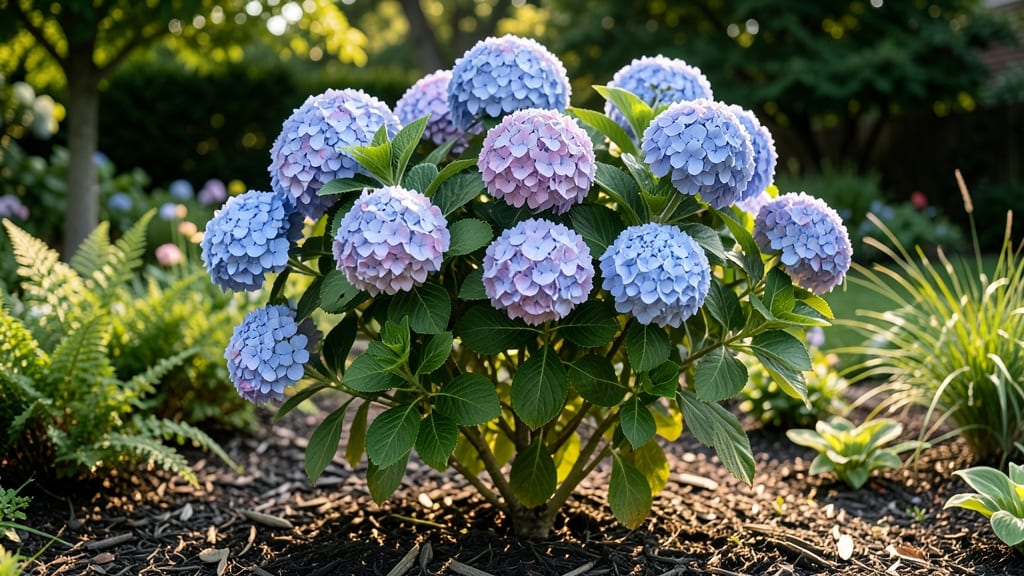
Endless Bloom hydrangeas are the lazy gardener's dream—no deadheading, no fuss, just months of color that turns heads every season. 🌸 I planted mine last spring after years of struggling with finicky hydrangeas that bloomed once and then flopped, and this variety changed everything. The secret?
Their unique ability to produce flowers on both old and new wood, so you never sacrifice next year's blooms for this year's show. These beauties thrive in partial shade, where their leaves stay lush and their blooms stay vibrant longer than traditional varieties.
Most gardeners overwater them—stick your finger in the soil first. If it's dry an inch down, water deeply; if it's still damp, wait another day. The key is consistent moisture without soggy roots, and once established, they're surprisingly drought-tolerant.
By midsummer, you'll have clusters of blooms that last from spring through fall, with some varieties even putting on a second flush in late summer. The colors range from soft blues to deep purples, and they change with the soil pH—alkaline soil turns them blue, acidic turns them pink.
Prune in late winter or early spring to shape them, and watch them rebound with new growth faster than you'd expect. Perfect for containers, borders, or as a standalone specimen—these hydrangeas adapt to almost any spot. The only real mistake is waiting too long to plant them.
Let's get yours growing!
📚 In This Guide
- What you need
- Instructions
- Tips and common mistakes
- Wrapping up and next steps
What you need
- ● Endless Bloom Hydrangea Plants: 1–3 nursery-grown plants (depending on desired coverage). Choose varieties like ‘Endless Summer,’ ‘Vanille Fraise,’ or ‘Blushing Bride.’
- ● Well-draining potting mix or garden soil: 1–2 bags (for pots) or amended native soil (for in-ground planting). Aim for a pH of 5.5–6.5 (use a soil test kit if unsure).
- ● Mulch: 2–3 inches of organic mulch (e.g., shredded bark or pine needles) to retain moisture and regulate soil temperature.
- ● Slow-release fertilizer: 10–20 lbs of balanced, acid-loving plant fertilizer (e.g., 10-10-10 or 8-3-9 with micronutrients).
- ● Watering can or hose with a gentle spray nozzle: Hydrangeas love consistent moisture—aim for 1–1.5 inches per week.
- ● Garden trowel or shovel: For planting and soil amendments.
- ● Pruning shears: Sharp, clean shears (sterilize with rubbing alcohol between cuts).
- ● Gloves: Heavy-duty gardening gloves to protect your hands.
- ○ pH test kit: Optional but helpful to monitor soil acidity (especially for blue/pink blooms).
- ○ Support stakes or trellis: Optional for larger varieties (e.g., ‘Limelight’) to prevent flopping.
Instructions for year-round hydrangea color
Here’s how to keep your hydrangeas blooming continuously with minimal effort.
🌱 Step 1: Choose the Right Variety and Plant Location
Endless Bloom hydrangeas thrive in partial shade—think morning sun with afternoon shade—to prevent scorching. Plant where they’ll receive 4-6 hours of sunlight daily, but avoid harsh afternoon rays, especially in hot climates. I always dig a hole twice as wide as the root ball but only as deep as the container’s base to prevent burying the stem.
Amend the planting hole with 2-3 inches of compost mixed into the native soil. This ensures better drainage and nutrient uptake, which keeps blooms vibrant. Water deeply right after planting to settle the soil and eliminate air pockets around the roots.
☀️ Step 2: Water Consistently for Lush Blooms
Hydrangeas need 1-1.5 inches of water weekly, but deep watering twice a week is better than frequent shallow drinks. Check moisture by sticking your finger 2 inches into the soil—if it feels dry, water thoroughly until it drains from the bottom of the pot or hole. Mulch with 2-3 inches of organic mulch (like shredded bark) to retain moisture and protect roots from temperature swings.
Yellowing leaves? That’s often a sign of underwatering or poor drainage. If the soil stays soggy for days, your plant may be in too-shady or compacted soil. Adjust by moving to a sunnier spot or amending the soil with perlite.
✂️ Step 3: Prune Strategically for Continuous Blooms
Endless Bloom hydrangeas bloom on old and new wood, so pruning is flexible—but timing matters. In late winter or early spring, cut back last year’s stems by ⅓ to encourage fresh growth. Remove any dead, damaged, or crossing branches first. I like to shape them into a rounded mound for a fuller look.
Skip deadheading! These varieties self-clean, meaning spent blooms drop naturally. If you do prune blooms, do it after they’ve faded to avoid removing next year’s buds. Over-pruning in fall can leave stems vulnerable to winter damage.
💧 Step 4: Feed and Protect for Long-Term Health
Apply a balanced, slow-release fertilizer (like 10-10-10) in early spring and again in mid-summer. Avoid high-nitrogen fertilizers—they encourage leafy growth at the expense of flowers. I also add Epsom salt (1 tablespoon per gallon of water) monthly during bloom season to boost magnesium, which keeps flowers vibrant.
Watch for powdery mildew in humid climates—it looks like white dust on leaves. Improve airflow by spacing plants 3-5 feet apart and watering at the base (not overhead). If mildew appears, spray with neem oil or a baking soda solution (1 teaspoon per quart of water).
⏰ Step 5: Winterize for Next Season’s Blooms
In USDA Zones 5-7, protect hydrangeas with 2-3 inches of mulch after the first frost. Wrap young plants in burlap or use frost cloth if temperatures dip below 10°F. In colder zones, mound soil around the base for insulation. I never prune in fall—wait until late winter to avoid stimulating tender new growth that can’t survive frost.
Prune out any dead stems in early spring before new growth appears. Healthy stems should be green on the inside when cut—brown or hollow stems mean the plant didn’t survive winter and should be removed entirely.
Tips & tricks for perfect Endless Bloom hydrangeas
Real talk: These hydrangeas are low-maintenance superstars, but a few small tweaks make all the difference between pretty blooms and showstopping color.
Planting Depth Matters: In Step 1, when digging that hole twice as wide as the root ball, resist the urge to bury the stem too deep. The base of the plant should sit at soil level—any deeper, and you risk suffocating the stem. I’ve seen gardeners accidentally plant them too low, and the plant struggles to establish roots properly. This is especially important for Endless Bloom varieties, which need strong roots to support continuous blooming.
Watering Wisdom: The 1-1.5 inches of water weekly in Step 2 is a guideline, but timing is everything. I’ve learned the hard way that watering in the morning lets the foliage dry completely by evening, preventing fungal issues. If you notice yellowing leaves, check the soil moisture at that 2-inch depth—consistent moisture is key, not soggy soil. For container-grown hydrangeas, I recommend watering every 2-3 days instead, as pots dry out faster.
Pruning Precision: When you’re cutting back last year’s stems by ⅓ in Step 3, aim for clean cuts just above a leaf bud or lateral branch. This encourages bushier growth and more blooms. I always use sharp pruning shears and make the cuts at a 45-degree angle to prevent water from pooling on the cut surface, which can lead to rot. And remember—those spent blooms will drop on their own, so no need to fuss with deadheading!
Winter Protection: That 2-3 inches of mulch in Step 5 is non-negotiable in colder zones. I’ve seen hydrangeas survive winter just fine with this protection, but when I skipped it in my first year, the roots froze back. For extra insurance in Zone 5, I wrap young plants in burlap and add a thick layer of straw mulch. In spring, remove the mulch gradually to avoid shocking the roots with sudden warmth.
Pro Tips for Endless Bloom Hydrangea
- Real talk: These hydrangeas are low-maintenance superstars, but a few small tweaks make all the difference between pretty blooms and showstopping color.
- Planting Depth Matters: In Step 1, when digging that hole twice as wide as the root ball, resist the urge to bury the stem too deep.
- Watering Wisdom: The 1-1.5 inches of water weekly in Step 2 is a guideline, but timing is everything.
Frequently asked questions
Got questions about keeping your Endless Bloom hydrangeas thriving? You’re not alone!
Here are the most common queries—plus expert tips to keep those blooms coming all season long.
Why do my Endless Bloom hydrangeas stop flowering mid-season?
Even Endless Bloom varieties can slow down if stressed. Check for underwatering, poor drainage, or extreme heat—they thrive with consistent moisture (1–1.5 inches per week). Prune spent blooms in early spring to encourage new growth, and fertilize lightly with balanced bloom booster in spring and summer.
Can I plant Endless Bloom hydrangeas in fall or winter?
While they’re hardy to USDA Zones 4–9, planting in fall (after first frost) or early spring gives roots time to establish before extreme weather. Avoid winter planting—frozen soil can stunt root growth. If you must plant later, mulch heavily (3–4 inches) and water deeply before the ground freezes.
Are there non-Endless Bloom hydrangeas that also rebloom?
Yes! Try these low-maintenance rebloomers:
- ‘Limelight’ or ‘Little Lime’: Compact, lime-green blooms; prune lightly in late winter.
- ‘Vanille Fraise’: Pink-to-white transition; heat-tolerant and disease-resistant.
- ‘Nikko Blue’: Classic blue (but not true blue); prune after flowering.
How do I prevent hydrangea leaf spots or powdery mildew?
These fungal issues love humid, crowded conditions. Space plants 3–5 feet apart for airflow, and water at the base (not overhead). Remove infected leaves immediately and apply neem oil or fungicide preventatively in spring. Resist pruning in wet weather—tools can spread spores!
Do Endless Bloom hydrangeas need full sun?
They tolerate partial shade (morning sun + afternoon shade), especially in hot climates (Zones 7–9). Full sun (6+ hours) = more blooms but may stress plants—watch for leaf scorch. In cooler zones (4–6), full sun is ideal for vibrant color. Test your spot: If it’s too shady, blooms may be sparse.
Still stumped?
Snap a photo of your plant’s issue (leaves, stems, blooms) and tag us—we’re happy to help diagnose!
Wrapping up and next steps
Ready to transform your garden into a year-round paradise with minimal effort?
Endless Bloom Hydrangeas are your secret weapon—no deadheading, no stress, just lush blooms from spring to frost! 🌸 Whether you’re a seasoned gardener or just starting, these beauties make gardening easier and more rewarding. Take the next step: pick your favorite variety, grab your gardening tools, and plant with confidence—your future blooms will thank you!
💡 Pro Tip:
Start small! Try one Endless Bloom hydrangea in a pot or garden bed to test your soil and sunlight conditions before expanding. Happy planting!