
Blooming
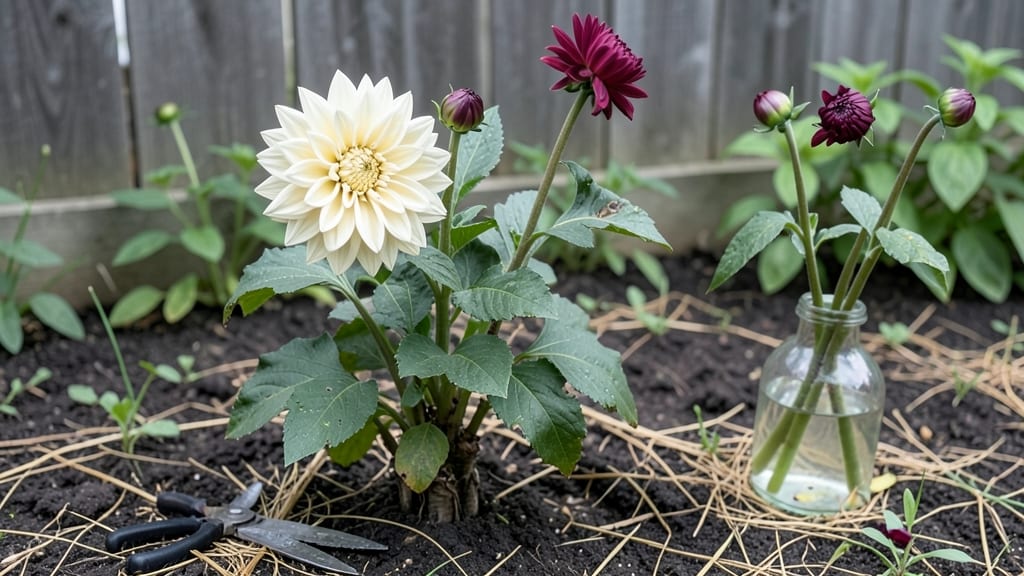
Flowers can still bloom after being cut if they’re from plants with strong regenerative growth, like certain perennials or woody shrubs, but most annuals or cut flowers won’t rebloom. Encouraging reblooming requires proper cutting techniques, nutrient support, and species-specific care.
Some plants naturally produce new blooms after pruning because they store energy in their roots or woody stems—think of hydrangeas or lavender. 🌿 The key lies in how the plant responds to stress: when you make a clean cut, it triggers dormant buds along the stem to wake up and grow.
However, annuals like marigolds or petunias rely on their single bloom cycle, so they won’t regenerate after cutting. The difference comes down to whether the plant prioritizes survival (perennials) or one-time reproduction (annuals).
💡 In This Article
- How Flower Regrowth Works in Cut Plants
- Best Practices to Promote Reblooming in Garden Flowers
How flower regrowth works in cut plants
When you cut a flower stem, you're essentially triggering a botanical reset button. The plant responds by activating dormant axillary buds—tiny growth points hidden in the leaf axils along the stem. These buds contain undifferentiated cells capable of forming new shoots or flowers.
The key here is the plant's hormonal response: cutting disrupts the natural flow of auxin (a growth hormone that suppresses lateral growth) from the flower head down the stem. With auxin levels dropping, cytokinins—hormones that promote cell division—take over and stimulate those dormant buds to wake up. 🌱
Not all plants react the same way. Perennials like roses or hydrangeas store energy reserves in their roots or woody stems, allowing them to bounce back with new growth. In contrast, annuals like zinnias or sunflowers have a single bloom cycle—their energy is focused on one-time reproduction rather than regeneration.
The difference is measurable: perennials can regrow from cuts made at 1/3 of their height, while annuals typically won't recover from more than 10-15% pruning. The timing matters too—cuts made in early spring or after flowering trigger the strongest regenerative response.
The physical act of cutting creates an open wound that the plant must heal. Within 24-48 hours, the plant begins forming callus tissue at the cut site to prevent infection.
Simultaneously, the disrupted auxin flow causes the buds nearest the cut to receive higher concentrations of cytokinins, which are produced in the roots. This hormonal shift is what kickstarts the growth of new shoots or flower stalks.
The process is similar to how humans regrow skin after a cut, but at a cellular level where plant hormones direct the regeneration.
Species-specific examples highlight these differences dramatically. Roses, for instance, can produce 2-3 new flushes of blooms per season when pruned correctly, thanks to their woody stems that store energy. Zinnias, however, will only rebloom if you remove spent flowers (deadheading) because they're annuals with limited energy reserves.
The contrast shows how a plant's life cycle determines its regenerative capacity. Even within perennials, some like lavender need precise cutting techniques—never cutting into old wood—to encourage new growth. 🌸
Here's what's actually happening in the stem: when you make a clean cut, you're removing the apical dominance—the flower head's control over lateral growth. This releases the axillary buds from auxin suppression, allowing them to grow into new branches or flower stalks.
The speed of regrowth varies by species: hydrangeas might show new shoots in 3-4 weeks, while roses could take 6-8 weeks for visible regrowth. The process involves complex interactions between hormones, nutrients, and environmental factors like light and temperature.
What most gardeners don't realize is that the angle of your cut matters. Cutting at a 45-degree angle just above a bud or leaf node creates more surface area for water uptake and callus formation, which speeds up the healing process.
This small detail can mean the difference between successful regrowth and plant stress. The same principle applies to houseplants like pothos—cutting stems at nodes encourages rooting in water, demonstrating how fundamental this process is across plant families. 💡
The science behind this involves understanding that plants have two main growth strategies: determinate (annuals) and indeterminate (perennials). Determinate growers focus energy on one bloom cycle, while indeterminate growers continue producing new growth points.
This is why roses keep blooming all season when properly pruned, while petunias fade after their first flush. The hormonal balance between auxin and cytokinin is what determines which strategy a plant will follow after being cut. 🌿