
Blooming
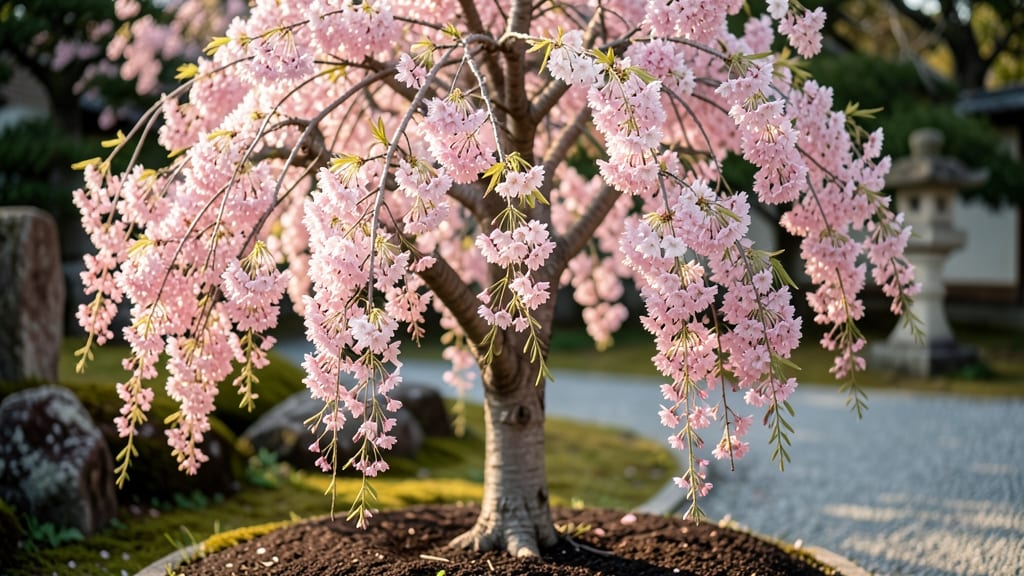
The cherry blossom tree bloom time varies dramatically by variety and zone — but knowing the exact weeks to expect can transform your spring from a guessing game to a planned celebration.
Picture this: you’ve waited all winter for the soft pink clouds of petals to appear, only to wake up one morning and realize the peak bloom passed you by. Timing is everything with cherry blossoms, and missing it means missing out on one of nature’s most breathtaking shows.
Whether you’re in Zone 6a or further south, the difference between early bloomers like Yoshino and late varieties like Autumnal can be weeks — and that’s before you factor in climate quirks like a late frost or an unusually warm winter.
In this guide, I’ll break down the exact bloom windows for popular varieties, how your hardiness zone shifts those timelines, and the simple care tweaks that can help you coax your tree into blooming just when you want it to.
Cherry blossom bloom time by variety: exact weeks to expect
Timing your cherry blossom celebrations starts with knowing your tree's variety and bloom window. Different cherry blossom trees burst into color at distinct times—some as early as late March, others lingering into May.
For gardeners in USDA Zones 5-8, this means planning picnics, photography sessions, or simply quiet moments under the canopy can hinge on selecting the right tree. Let's break down the exact bloom weeks for the most popular varieties so you can anticipate nature's fleeting spectacle with precision.
Understanding these bloom periods isn't just about aesthetics—it's about strategic planting. If you live in a region with late frosts, planting an early bloomer could risk damage, while a late bloomer might miss your ideal viewing window.
The key is matching your tree's bloom time to your local climate and personal schedule. For example, Yoshino cherry blossoms often peak in early April, while Autumnal varieties may extend the show into June. Let's explore the specifics.
🌸 Pro Tip: Most cherry blossoms bloom for 1-2 weeks, but some varieties like Kwanzan can stretch this to 3 weeks with ideal care. The secret? Consistent sunlight, proper pruning, and avoiding late-season fertilizers that delay dormancy. Now, let's dive into the exact bloom windows for each variety in a clear, side-by-side comparison.
Now that you've got the exact bloom weeks for each variety, you can plan your garden's seasonal highlights with confidence. For instance, pairing a Yoshino (early bloomer) with a Kwanzan (mid-season) creates a 6-week cherry blossom extravaganza from late March through May.
This strategy is perfect for gardeners who want to extend their blooming season and create a continuous canopy of color. The key is spacing them strategically—place the early bloomers in full sun and the later varieties slightly shaded to prevent competition.
If you're in a cooler climate (Zones 4-5), don't worry—cherry blossoms are resilient. While bloom times may shift slightly later, varieties like Autumnal cherry blossoms offer a second chance in fall, when most gardens have already faded.
These trees bloom in late October, providing a stunning contrast against autumn foliage. For gardeners in warmer zones (Zones 8-9), the opposite is true: expect blooms to arrive 1-2 weeks earlier, sometimes as early as mid-March. Adjust your expectations accordingly!
One common mistake I see is assuming all cherry blossoms bloom at the same time. In reality, the difference between an early bloomer like Yoshino and a late bloomer like Autumnal can be 6-8 weeks.
This variance is why many urban parks plant multiple varieties—to create a prolonged display that draws visitors throughout the spring. You can achieve the same effect in your backyard by mixing 3-4 varieties with staggered bloom times. For example, combine a Weeping cherry (early April) with a Fugenzo (mid
Bloom time by USDA hardiness Zone: when to plant for peak season
Your USDA hardiness zone plays a critical role in determining when your cherry blossom tree will burst into bloom. In colder zones like Zone 4, expect blooms as early as late April, while warmer Zone 9 regions may see flowers as early as February.
Understanding these variations helps you plant at the optimal time for peak seasonal display.
Climate significantly affects bloom timing—warmer zones experience earlier blooms, while colder regions may face delayed flowering due to late spring frosts. For example, a Zone 6 tree might bloom in early April, but a Zone 7 tree could start blooming in mid-March.
Strategic planting ensures you catch the full spectacle.
| USDA Zone | Typical Bloom Window | Planting Window | Key Consideration |
|---|---|---|---|
| Zone 4 | Late April - Early May | Fall (Sept-Oct) or Early Spring (April) | Late frosts may delay blooms |
| Zone 5 | Mid-April - Late April | Fall (Sept-Oct) or Early Spring (March-April) | Watch for frost warnings |
| Zone 6 | Early April - Mid-April | Fall (Oct) or Early Spring (March) | Ideal for early blooms |
| Zone 7 | Mid-March - Early April | Fall (Oct-Nov) or Early Spring (Feb) | Longer bloom duration |
| Zone 8 | Late February - Mid-March | Fall (Nov) or Early Spring (Jan-Feb) | Early blooms possible |
| Zone 9 | February - Early March | Fall (Nov-Dec) or Early Spring (Jan) | Longest bloom season |
To extend your cherry blossom tree's bloom duration, plant multiple varieties with staggered bloom times. For instance, pair an early bloomer like Autumnal Cherry (Zone 5-9) with a late bloomer like Kwanzan Cherry (Zone 5-8). This creates a continuous floral display from late winter through early spring.
For gardeners in Zone 4-5, consider planting near a south-facing wall to capture extra warmth and encourage earlier blooms. In Zone 8-9, where blooms arrive earlier, protect young trees from unexpected late winter frosts by using frost cloth during critical bloom periods.
Proper fall planting (September-October) gives roots time to establish before winter, ensuring vigorous growth and earlier spring blooms. In warmer zones, planting in early spring (January-February) can also yield timely blooms. Always check your local last frost date to avoid planting too early.
With the right zone-specific timing and care, your cherry blossom tree will reward you with a stunning, timely display that transforms your garden into a springtime paradise. 🌸