
Blooming
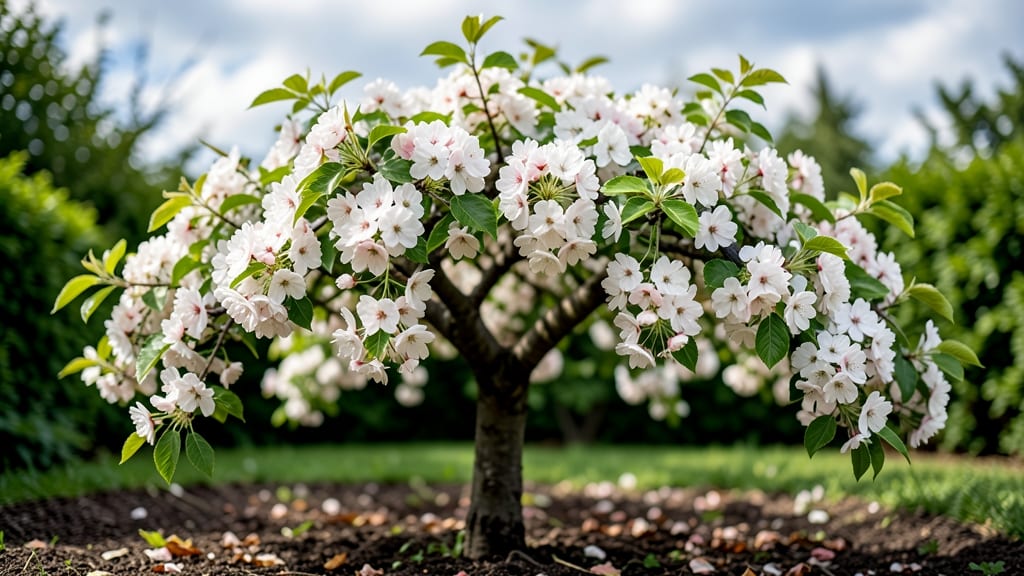
Knowing your cherry tree 🌸 bloom time is the key to planning picnics under blossoms or protecting flowers from late frosts—both mistakes I’ve made more times than I’d admit.
Picture this: you’ve waited all winter for those delicate pink petals to appear, only to wake up to frost-damaged buds because you misjudged your zone.
The truth is, bloom timing varies wildly—from early April for some ornamental varieties to late May for tart cherries—depending on your climate and the tree’s needs.
In this guide, I’ll break down exactly when to expect blooms for 15+ common varieties, how USDA zones shift those windows, and the three simple tricks I use to predict my own tree’s schedule down to the week.
You’ll leave here knowing whether your tree is an early riser or a late sleeper, how to adjust for your microclimate, and—most importantly—when to stop crossing your fingers and start celebrating.
Cherry tree bloom time by variety: when to expect flowers
Knowing when your cherry tree will bloom helps you plan everything from pruning to fruit harvest. Different varieties burst into color at different times—some as early as late March, others as late as mid-May.
The key? Matching your climate zone and cherry type (sweet, tart, or ornamental) to avoid disappointment.
For example, the 'Stella Compact' ornamental cherry is one of the earliest bloomers, often gracing gardens with pink blossoms in April across USDA zones 5-8. Meanwhile, the classic 'Black Tartarian' tart cherry waits until late April to May in cooler zones, like USDA zone 4.
These differences matter—especially if you’re counting on spring pollinators or timing frost protection.
Below is a quick-reference guide to help you predict bloom times based on your cherry variety and growing region. Whether you’re a fruit grower or a blossom lover, this table covers the earliest and latest bloomers, plus regional adjustments for USDA zones 3-9.
If you’re in USDA zone 3 or 4, expect blooms to shift 2-3 weeks later than the table suggests. Cooler climates delay bud break, while zone 9+ trees may bloom 1-2 weeks earlier.
For example, a 'Bing' cherry in San Diego (zone 10) could bloom in February, while the same tree in Minnesota (zone 4) waits until mid-May.
Ornamental cherries like 'Kanzan' are prized for their prolonged bloom periods, often lasting 10-14 days. In contrast, fruit-bearing varieties like 'Black Tartarian' have shorter bloom windows (5-7 days), which is critical for pollination success.
Plant two compatible varieties if you want reliable fruit set—like pairing 'Bing' with 'Stella'.
Pro tip: Use a bloom calendar from your local cooperative extension service to fine-tune predictions. These calendars account for microclimates (like urban heat islands) and last frost dates. For instance, a tree in a south-facing yard might bloom 1 week earlier than one in a shady spot.
Once you’ve nailed down your bloom window, plan your pruning accordingly. Prune dormant trees in late winter (before buds swell) to avoid removing next year’s flower buds.
And if late frosts threaten, consider wrapping young trees in frost cloth during peak bloom—especially for early bloomers like 'Stella Compact'.
Finally, remember that soil health and watering habits can tweak bloom times slightly.
How climate zones and microclimates affect cherry tree bloom timing
Your cherry tree’s bloom timing isn’t just about the calendar—it’s a delicate dance between climate zones, microclimates, and the tree’s internal clock. While seed packets and nursery tags offer general bloom windows, your local conditions can shift those dates by 2-4 weeks.
Understanding these factors helps you set realistic expectations and protect blooms from late frosts.
Most cherry trees need 500-1,000 chilling hours (temperatures between 32°F-45°F) to trigger bud break. A tree in USDA Zone 6 might bloom in early April, but the same variety in Zone 8 could wait until late May.
Even within a single neighborhood, microclimates—like urban heat islands or sheltered garden spots—can create 10°F temperature differences, delaying or advancing blooms.
⚠️ WARNING: Late frost risk is the #1 threat to cherry blooms! Even if your tree is ready, a sudden 28°F freeze can wipe out flowers in hours.
Urban areas often bloom 1-2 weeks earlier than rural zones due to heat retention, but they’re also more vulnerable to frost pockets at dawn. Always check your local NOAA frost forecast 2 weeks before expected bloom dates.
Urban heat islands push bloom times earlier by trapping warmth. A tree planted near pavement or buildings may bloom 7-10 days ahead of its rural counterpart. Conversely, coastal areas with moderating ocean breezes can delay blooms by 1-2 weeks compared to inland zones.
Even elevation matters: Trees at 2,000 feet may bloom 10 days later than those at sea level.
To track local bloom forecasts, use the NOAA Climate Data API or your state’s agricultural extension service. For example, Washington D.C.’s 'Kwanzan' cherry typically blooms April 5±5 days, but in 2021, it peaked 14 days early due to an unusually warm winter.
By monitoring chilling hours (via home weather stations) and last frost dates, you can adjust pruning and frost protection plans.
If your tree blooms inconsistently, consider its microclimate exposure. South-facing walls accelerate bloom times, while north-facing yards can delay them.
A simple fix: Plant early-blooming varieties (like 'Autumn Royal') in cooler microclimates and late-bloomers (like 'Black Tartarian') in urban heat zones to synchronize with your local frost window.
Pro tip: Use a bloom calendar from your state’s agricultural extension (many offer free PDFs). For example, California’s Sacramento Valley cherries bloom 3 weeks earlier than those in Central Oregon—despite similar USDA zones—due to valley warming. Adjust your expectations, and you’ll never miss peak bloom season again! 🌸