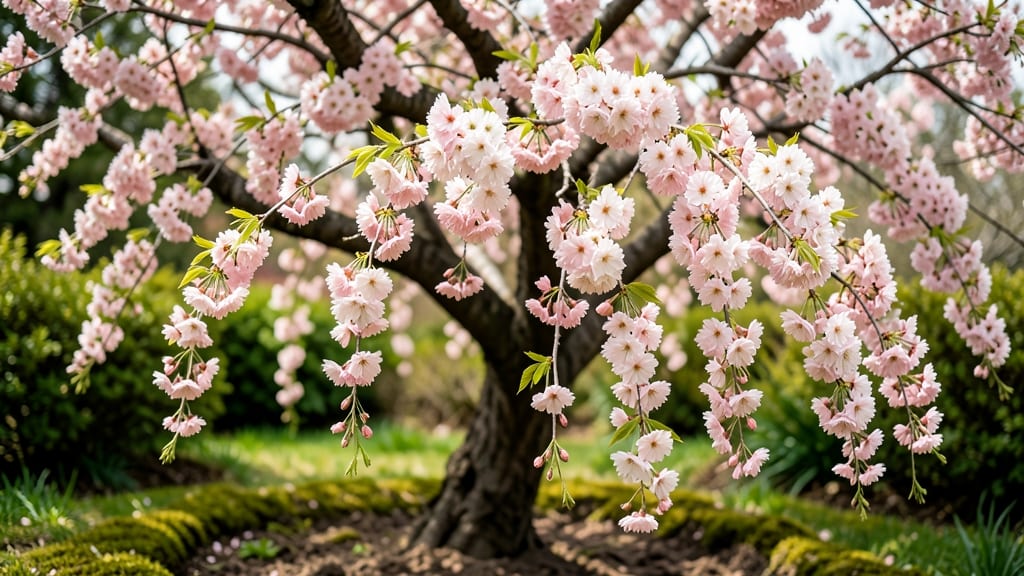
The cherry blossom bloom time depends on your variety and hardiness zone, but most Prunus serrulata trees burst into color between late March and early May.
Picture this: a sea of pink and white petals cascading over branches, drawing crowds to parks like Washington D.C.'s Tidal Basin or Kyoto's Philosopher's Path. But timing is everything—miss the peak, and you might catch just a few lingering blossoms instead of the full spectacle.
Regional differences matter too. In Zone 6a, where many gardeners plant Prunus serrulata, blooms often arrive in early April, while West Coast varieties may wait until May. Even within the same zone, microclimates—like urban heat islands—can shift bloom windows by weeks.
In this guide, I’ll break down exact bloom windows by variety, share how to predict your tree’s schedule, and reveal 5 pro tips to extend the show—so you never miss another 🌸 season.
Cherry blossom bloom time by popular variety: exact weeks and peak seasons
Timing your visit or planting to catch cherry blossoms at their peak is all about choosing the right variety and understanding its bloom window. While most Prunus serrulata varieties bloom in spring, their exact timing can vary by 2-3 weeks depending on the cultivar.
Early bloomers like Yoshino might greet you with petals as early as late March in warmer zones, while late bloomers like Kwanzan may linger until mid-April. Let’s break down the bloom schedules for 10 iconic varieties so you never miss the show.
Bloom time isn’t just about the calendar—it’s also influenced by chill hours (cold winter exposure) and microclimates. For example, Washington D.C.’s famous Yoshino cherry blossoms typically peak in early April, but in Zone 7, they might bloom 10 days earlier than in Zone 5.
Below, I’ve mapped out the average bloom windows for popular varieties, including their first-flower dates and full-bloom durations to help you plan.
Pro Tip: Use these bloom windows as a starting point. In colder zones, expect delays of 1-2 weeks, while warmer zones may see blooms 7-10 days early. Always monitor your local frost dates and chill hours for the most accurate predictions.
Variety
First Flower (Zone 7)
Peak Bloom (Zone 7)
Bloom Duration
Notes
Yoshino
Late March
Early April
7-10 days
Most popular; fragrant, double blooms
Somei-Yoshino
Mid-March
Late March
5-7 days
Early bloomer; single pink flowers
Kwanzan
Late March
Mid-April
10-14 days
Late-season; deep pink, double blooms
Shirotae
Early April
Mid-April
7-10 days
Pure white blooms; less fragrant
Akebono
Mid-March
Late March
5-7 days
Early bloomer; light pink, single flowers
Fugenzo
Late March
Early April
7-10 days
Dark pink; cold-hardy
Okame
Early March
Mid-March
7-10 days
One of the earliest bloomers
Mount Fuji
Late March
Early April
10-14 days
Large, double white blooms
Autumnalis
Late April
Mid-May
14-21 days
Late-season; blooms intermittently
Taihaku
Late March
Early April
7-10 days
How USDA hardiness zones affect cherry blossom bloom time: what to plant where
Your USDA hardiness zone plays a starring role in determining when your cherry blossoms will burst into color. In colder zones like Zone 5, blooms often arrive later due to frost delays, while Zone 9 gardens may see early blooms—but risk heat stress.
Understanding these patterns helps you select the right varieties and optimize care for stunning spring displays.
Climate also influences whether you get early bloomers (like 'Amanogawa') or late-season stars (such as 'Kwanzan'). Urban heat islands can push blooms 1-2 weeks earlier than rural areas, while microclimates near water bodies may extend the season. Let’s break down how to match your zone to the perfect blossom timing.
USDA Zone
Avg. Bloom Window
Best Varieties
Microclimate Tips
Zone 5
Late April–Mid May
'Stella Rosa', 'Autumnalis'
Plant near south-facing walls to delay frost damage
Zone 6
Mid April–Early May
'Yoshino', 'Kwanzan'
Use mulch blankets for winter protection
Zone 7
Early April–Mid April
'Somei-Yoshino', 'Shirotae'
Avoid low-lying areas prone to cold air pooling
Zone 8
Late March–Early April
'Amanogawa', 'Fugenzo'
Install drip irrigation for consistent moisture
Zone 9
February–March
'Okame', 'Taihaku'
Provide afternoon shade to prevent heat stress
In Zone 5, where winters are harsh, opt for late-blooming varieties like 'Autumnalis' to avoid frost damage. These trees often bloom after the last frost date, ensuring your pink canopy stays intact longer.
For Zone 9 gardeners, early bloomers like 'Okame' thrive—but watch for heat waves that can shorten their display.
Urban gardeners should leverage heat-reflecting surfaces (like light-colored pavement) to create microclimates that delay blooming. Rural areas benefit from windbreaks to protect delicate blossoms. Always monitor your tree’s chill hours—most cherry blossoms need 500–1,000 hours below 45°F for reliable blooming.
To extend your bloom season, consider planting a mix of early, mid, and late varieties in the same area. For example, pair 'Amanogawa' (early) with 'Kwanzan' (late) to create a 3-week pink spectacle.
Just remember: prune in late winter to encourage robust flowering, but avoid heavy cuts that reduce next year’s blooms.
With the right zone-specific care, your cherry blossoms can become the centerpiece of spring—whether you’re in frost-prone Zone 5 or balmy Zone 9. Start by selecting varieties matched to your climate, then fine-tune with microclimate strategies for a show-stopping display every year. 🌸🌿🌳