
Blooming
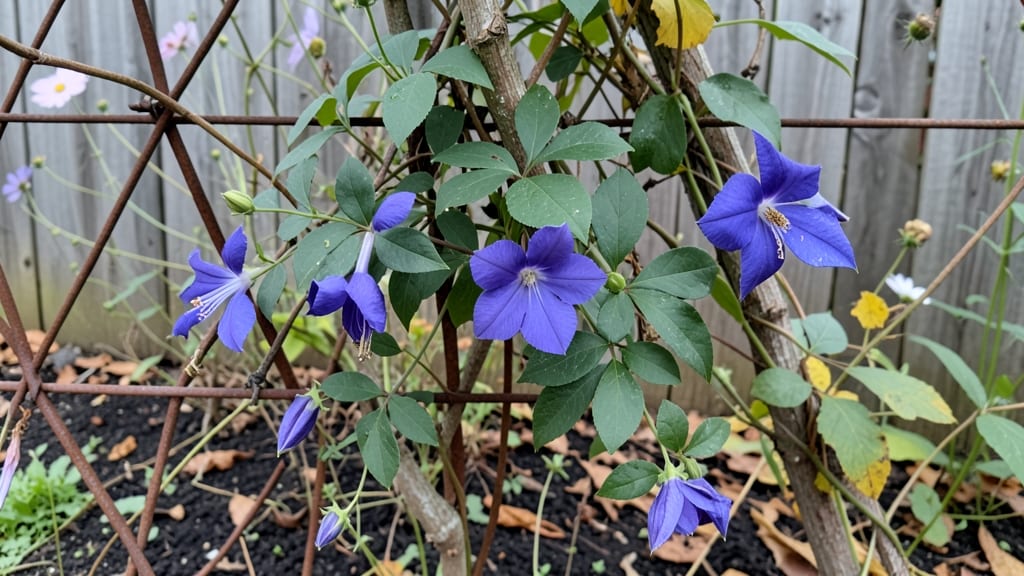
Clematis blooming season varies by variety but typically spans late spring through summer, with early types flowering in May-June and late types blooming July-September. Pruning groups (1-3) dictate timing, while deadheading extends displays for repeat bloomers.
Understanding your clematis’s pruning group unlocks the secret to timing its showstopper blooms—think of it like a built-in schedule. 💫 Group 1 varieties (like 'Jackmanii') burst into flower on last year’s wood in early summer, while Group 3 types (such as 'Nelly Moser') wait until late summer to shine on new growth.
The magic happens when you prune at the right moment: too early, and you cut off next year’s blooms; too late, and you miss the growth window entirely.
For those who love long-lasting displays, deadheading spent blooms isn’t just about looks—it’s a growth hack. Removing faded flowers redirects the plant’s energy to produce fresh buds, especially for repeat bloomers like Group 2 varieties.
Pair this with a balanced fertilizer (high in phosphorus) every 4-6 weeks during the growing season, and you’ll turn a single burst of color into a months-long garden highlight.
💡 In This Article
- How Clematis Pruning Groups Affect Flowering Times
- Extending Clematis Blooms with Deadheading and Care
How clematis pruning groups affect flowering times
Here's what's actually happening beneath the soil: clematis plants use a clever growth strategy where they produce flowers on either last year's wood (old growth) or this year's new shoots. The three pruning groups (1-3) are essentially biological clocks that determine when your plant will bloom.
Group 1 varieties, like the classic 'Jackmanii', rely entirely on last year's growth for their May-June show, while Group 3 types such as 'Nelly Moser' wait until July-September to flower on fresh new stems.
This timing isn't random—it's tied to the plant's natural dormancy cycles and hormone responses to daylight length.
The key factor is auxin, a plant hormone that regulates growth and flowering. When you prune at the wrong time, you disrupt this hormonal balance. For Group 1 plants, pruning after June 1st risks cutting off next year's flower buds that are already forming on old wood.
Meanwhile, Group 3 varieties need their new growth stimulated by late-winter pruning (typically February-March in most climates) to produce the stems that will bloom later in the season.
What most people don't realize is that these groups also influence whether your clematis will bloom once or repeatedly—Group 2 varieties like 'The President' bloom on both old and new wood, giving them that extended June-September performance.
Temperature plays a massive role in this biological timing. Clematis need a period of winter dormancy to reset their growth cycles, which is why early pruning (before November) can confuse the plant.
The cold period triggers bud formation for next year's flowers, while warmer spring temperatures stimulate new shoot growth. In warmer climates, this dormancy period might be shorter, which is why some Group 3 varieties bloom earlier than their northern counterparts.
The science behind this involves photoperiodism—the plant's response to changing daylight hours—which signals when to produce flowers versus vegetative growth.
Consider these key factors when planning your pruning schedule:
- Group 1 (Early Summer Bloomers): Prune immediately after flowering (June-July) to remove spent blooms and encourage new growth for next season
- Group 2 (Repeat Bloomers): Light pruning after first flush (June) to stimulate second blooms, then more aggressive pruning in February-March
- Group 3 (Late Summer Bloomers): Heavy pruning in February-March to stimulate new growth for July-September flowers
The texture of clematis stems changes dramatically between old and new growth—old wood is often thicker and more woody, while new shoots are slender and green. This physical difference helps you identify which stems are carrying this year's flower buds.
For example, Group 3 varieties will show clusters of small buds forming at the tips of new shoots by May, while Group 1 plants will have their buds already visible on last year's stems by April. This visual cue is your best friend when determining pruning timing.
What most gardeners overlook is how soil temperature affects root growth and nutrient uptake, which in turn influences flowering. In cooler climates, roots may stay dormant longer, delaying new shoot growth and pushing back bloom times by 2-3 weeks.
The solution? Mulch heavily in fall to protect roots and maintain consistent soil temperatures. This small adjustment can mean the difference between a July bloom and one that arrives in August—especially for Group 3 varieties.
Here's a pro tip: Mark your calendar for February 15th—this is when most Group 3 varieties start their active growth phase in most US growing zones. If you prune before this date, you might miss the window for stimulating those late-season blooms.
The plant's growth hormones are just waking up, and any pruning before this point could set you back by a full month. 💫