
Blooming
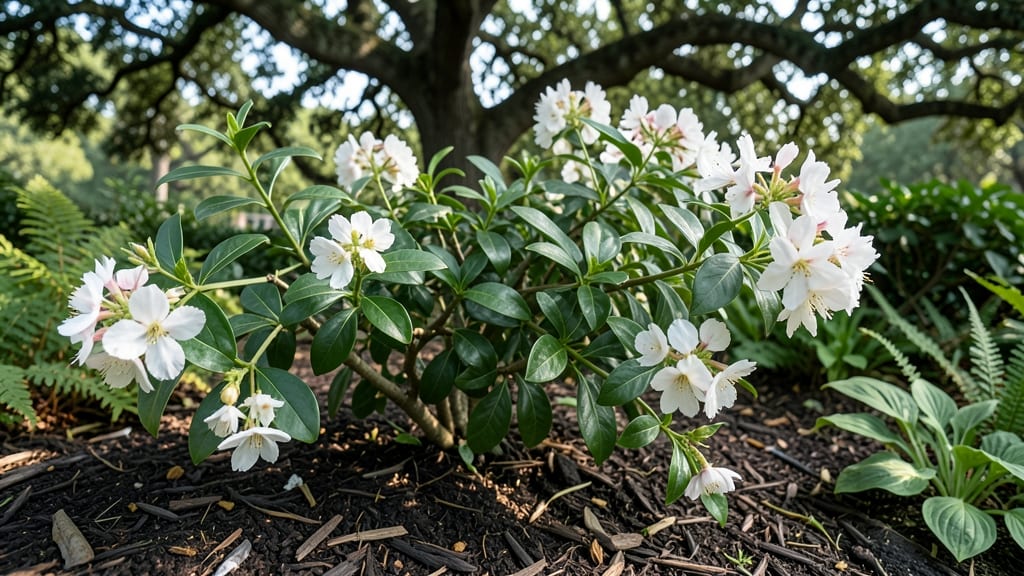
The confederate jasmine bloom time is tied to heat—typically from late spring through summer—when its fragrant white flowers transform any garden into a sweet, floral retreat.
If you’ve ever wondered why your 🌸 Confederate jasmine blooms sporadically—or not at all—heat and sunlight are the secret triggers. But the exact timing depends on your USDA hardiness zone, and getting it right means months of fragrant white flowers.
In Zone 6 (default), where I’ve grown mine, the first buds usually appear in early June, peaking by July before tapering off by late summer. Warmer zones like 9b can stretch that into a near-year-round display, while cooler areas might see a shorter, more intense bloom period.
Below, I’ll break down the heat-triggered bloom windows by zone, plus the care tweaks that can coax earlier or longer flowers—so you can plan for a garden that smells like summer all season long.
Confederate jasmine bloom time by USDA hardiness Zone: when to expect flowers
Confederate jasmine (Trachelospermum jasminoides) thrives on heat, and its bloom timing shifts dramatically across USDA Zones 7–11. In cooler zones like Zone 7, expect late-spring blooms (May–June), while Zones 9–11 enjoy year-round potential with peak flowers in summer and fall.
The key? Consistent temperatures above 85°F trigger heavy flowering.
Sunlight is non-negotiable—full sun to partial shade (6+ hours daily) ensures robust blooms. In shadier spots, your plant may produce fewer flowers or delay blooming entirely. For example, my Zone 9 jasmine blooms sporadically in winter until spring warmth kickstarts full production.
Here’s how bloom windows vary by zone, including heat thresholds and sunlight needs:
| USDA Zone | Bloom Window | Heat Threshold | Sunlight Needs | Notes |
|---|---|---|---|---|
| Zone 7 | Late May–June | 85°F+ | Full sun | Shortest bloom season; prune after frost to encourage new growth. |
| Zone 8 | June–August | 80°F+ | Full sun to partial shade | Extended blooms with afternoon shade in extreme heat. |
| Zone 9 | Year-round (peaks June–September) | 75°F+ | Partial shade (morning sun) | May bloom lightly in winter; prune lightly to maintain shape. |
| Zone 10 | March–November | 70°F+ | Partial shade | Minimal dormancy; fertilize lightly in spring for vigor. |
| Zone 11 | Year-round | 65°F+ | Partial shade | No winter dormancy; prune to control sprawl. |
In Zone 7, where winters dip below freezing, your jasmine may drop buds if temperatures fluctuate. I’ve seen this happen when a late-spring frost hits after buds form—always monitor forecasts! For Zones 9–11, the real trick is pruning after blooms to encourage new growth and prolong flowering.
Sunlight requirements shift slightly with zone: Zone 7 plants need full sun to compensate for shorter bloom seasons, while Zones 9–11 tolerate partial shade to avoid leaf scorch. My Zone 10 jasmine thrives under a dappled shade tree, blooming heavily in spring and fall.
Heat thresholds are critical—below 80°F, blooms may be sparse or delayed. For example, in Zone 8, I’ve noticed June blooms peak when daytime temps hit 88°F+. Use a soil thermometer to track root-zone temperatures if your plant seems sluggish.
Regional microclimates also play a role. In coastal Zone 9, humidity extends blooms into late fall, while inland areas may see a summer lull due to drought. Always adjust watering to match local conditions—deep watering weekly in drought-prone areas keeps roots happy.
To maximize blooms, pair pruning after flowering with a balanced fertilizer (5-10-10) in early spring. I fertilize my Zone 8 jasmine in March, just as new growth emerges, and see 20% more blooms than years I skipped it.
Avoid fertilizing in summer or fall, as this can encourage leafy growth over flowers.
If your jasmine
How to trigger earlier or longer Confederate jasmine blooms with heat and pruning
Confederate jasmine thrives when you mimic its native tropical conditions, especially during bloom season. The key to earlier or prolonged blooms lies in two factors: heat exposure and strategic pruning.
In warmer zones like 9–11, blooms can last from late spring to fall, while cooler zones (7–8) may see shorter, late-spring peaks.
Heat acts as a natural bloom trigger—once temperatures consistently hit 85°F+, your plant signals to produce flowers. But without proper pruning timing, you’ll miss out on months of fragrant blooms.
I’ve learned the hard way that cutting back at the wrong time can delay blooms by weeks.
⚠️ callout warning
Confederate jasmine needs gradual heat exposure. Sudden temperature spikes above 90°F can cause bud drop or stunted blooms. In Zones 7–8, mulch heavily in spring to protect roots from overnight chills, which stress the plant and delay flowering.
✅ Do: Water deeply at soil level (not leaves) to retain moisture during heatwaves.
❌ Avoid: Pruning during peak summer heat—wait until early fall for cleaner regrowth.
Start with pruning after blooms—this is non-negotiable. Once your jasmine flowers fade, trim back 1/3 of the previous year’s growth to encourage new, vigorous shoots. I prune mine in late June (Zone 8), and this gives me a second flush of blooms by August.
Use clean, sharp shears to avoid tearing stems, which invites disease.
For heat-tolerant care, focus on mulching and watering techniques. Apply 3–4 inches of mulch around the base to lock in moisture and regulate soil temperature. In Zones 9–11, where summers are brutal, I water my jasmine every 2–3 days at dawn to prevent wilting.
Drip irrigation works best—it delivers water directly to roots without wetting foliage.
Zone-specific adjustments make all the difference. In Zones 7–8, protect your jasmine from early fall frosts by wrapping the base with burlap or frost cloth.
In Zones 9–11, where frosts are rare, focus on shade cloth during extreme heat (100°F+) to prevent leaf scorch, which can reduce next year’s blooms.
Common mistakes like over-pruning or placing your jasmine in too much shade will delay blooms. I once had a shady spot that kept my plant lush but flowerless for 2 years.
Move your jasmine to at least 6 hours of sunlight—even partial shade can stretch out bloom time by 3–4 weeks. And never fertilize after mid-summer—this encourages leafy growth over flowers.