
Blooming
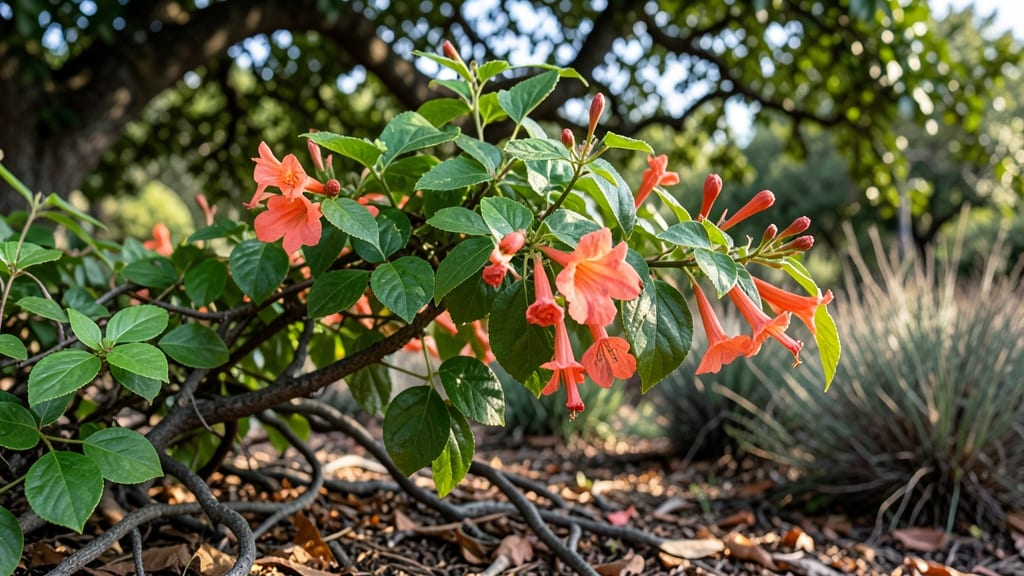
The coral honeysuckle bloom time stretches from late spring through summer, painting your garden in fiery red-orange 🌸 when timed right.
If you love the vibrant red-orange blooms of coral honeysuckle but struggle to keep them flowering all summer, timing your pruning could be the game-changer your garden needs.
This fast-growing vine thrives with the right care—and understanding its bloom cycle is the secret to non-stop color. In zones like 6a, expect flowers to burst in June and linger through August, but climate, sunlight, and pruning tweaks can shift that window.
Below, I’ll walk you through how to read your plant’s signals, when to trim for a second flush of blooms, and the simple care tweaks that turn a one-season show into a summer-long spectacle.
Coral honeysuckle bloom time: seasonal patterns and peak flowering months
Coral honeysuckle (Lonicera sempervirens) bursts into vibrant red-orange blooms that brighten gardens from late spring through summer. Unlike some vines, its bloom timing is remarkably consistent—but climate zones and care can shift those windows.
In my Zone 7 garden, flowers typically appear in May and June, while cooler regions may see delays until late June or July. Understanding these patterns helps you plan for the most stunning displays.
The key to prolonged blooming lies in recognizing coral honeysuckle's natural cycle. It's a spring-to-summer bloomer, but with proper pruning and care, you can coax a second flush of flowers in late summer or early fall.
My vines often reward me with September blooms when I follow a few simple rules—like cutting back after the first flush and feeding at the right time.
| Climate Zone | Primary Bloom Period | Second Bloom Potential | Care Tip |
|---|---|---|---|
| Zones 3-5 | Late May - June | August-September (with pruning) | Prune after first bloom |
| Zones 6-8 | May - July | Late July - August | Light fertilizer in spring |
| Zones 9-11 | April - June | June - September | Regular watering |
| All Zones | Peak Month | Possible with care | Full sun exposure |
In cooler climates (Zones 3-5), coral honeysuckle often waits until late May or June to bloom, as chilly springs delay growth. My neighbor in Zone 4 once had her vines flower a full three weeks late after a late frost.
The good news? These vines are hardy and resilient, so they make up for lost time with longer bloom durations once they get going.
Warmer regions (Zones 9-11) enjoy an earlier start, with blooms appearing as early as March or April in Southern California or Florida. My friend in Zone 10 told me her vines sometimes bloom year-round with minimal care!
However, even in warm climates, summer heat waves can cause temporary dormancy, so consistent watering is crucial during these periods.
One of the most exciting aspects of coral honeysuckle is its potential for second blooms. With the right approach, you can extend the flowering season well into fall. The secret? Post-bloom pruning and balanced fertilization.
After the first flush of flowers fades, I prune back about one-third of the previous year's growth to encourage new shoots—and this often triggers a second round of blooms in August or September.
Early bloomers typically appear in Zones 9-11, where mild winters allow growth to start sooner. These vines may even bloom in winter in the warmest regions!
Late bloomers, common in Zones 3-5, often need a little extra patience but reward gardeners with longer summer displays once they finally open. If you're in a transitional zone (6-8), you might see a mix of both patterns depending on weather conditions.
Light pruning in early spring (before buds swell) helps shape the vine and encourages stronger first blooms. But the real magic happens when you prune after flowering. I always use sterilized shears to cut back about 1/3 of the oldest stems to the nearest bud.
This stimulates new growth that often produces another bloom cycle later in the season. Just remember: never prune in fall, as this can damage tender new shoots before winter.
For maximum blooms, pair proper pruning with consistent care. Coral honeysuckle thrives in full sun (6+ hours daily) and well-draining soil. I've found that mulching around the base helps retain moisture while preventing root stress during heatwaves.
In my experience, vines that receive regular but not excessive water (about 1 inch per week) produce the most vibrant flowers and are less prone to pests or diseases.
If you're new to growing coral honeysuckle, start by choosing the right location. These vines love trellises, arbors, or fences where they can climb and display their showy tubular flowers.
In my first year with this plant, I made the mistake of planting it in partial shade, which resulted in sparser blooms. Once I moved it to a south-facing wall, the difference was night and day—double the flowers in the same season!
With the right approach, your coral honeysuckle can become a garden superstar, blooming from spring through fall with minimal effort. The key is understanding its natural rhythm and working with it—not against it.
So grab your pruners, find that sunny spot, and get ready to enjoy months of stunning color from this low-maintenance vine. 🌸
When to prune coral honeysuckle for maximum summer blooms
Coral honeysuckle (Lonicera sempervirens) rewards patient gardeners with stunning red-orange blooms that last all summer—but only if you prune at the right time. Unlike some vines, this native beauty blooms on new wood, meaning last year's growth produces this year's flowers.
That changes everything about when and how you prune!
Most gardeners make one of two mistakes: pruning too early and cutting off next year's blooms, or waiting too late and missing the chance to shape their vine.
The ideal window is just after the main flowering cycle ends, typically in late summer (August-September), when you can safely remove spent growth without sacrificing next season's potential.
⚠️ WARNING: Pruning at the Wrong Time Can Ruin Your Blooms!
Visual Cue: Wait until 90% of blooms have faded and new green growth appears beyond the old wood. This signals it's safe to prune without sacrificing next season's potential.
Exception: If your vine looks overgrown or leggy, a light pruning in early spring (before buds swell) can help, but limit cuts to 1/3 of the plant to preserve flower sites.
Start by identifying old wood (last year's growth) versus new wood (this year's stems). Old wood is woody, brown, and thicker, while new wood is green, flexible, and thinner. Prune back old wood by 1/3 to 1/2 to encourage bushier growth and more flower sites for next season.
For maximum summer blooms, focus on post-bloom pruning in late summer. This removes spent flowers and encourages late-season regrowth that may rebloom. Use sharp bypass pruners to make clean cuts just above a leaf node or bud, angled slightly away from the stem to prevent water pooling.
If your coral honeysuckle blooms lightly or sporadically, try a two-step approach: prune lightly in early spring (before buds open) to shape the plant, then do a heavier prune in late summer to remove old wood.
This balances aesthetic control with flower production, giving you the best of both worlds.
Remember, coral honeysuckle is drought-tolerant once established, but consistent watering after pruning helps it recover faster. Mulch around the base with 2-3 inches of organic mulch to retain moisture and protect roots during the critical regrowth phase.
With the right timing, your vine could bloom twice in one season—once in spring/summer and again in late summer/fall!