
Blooming
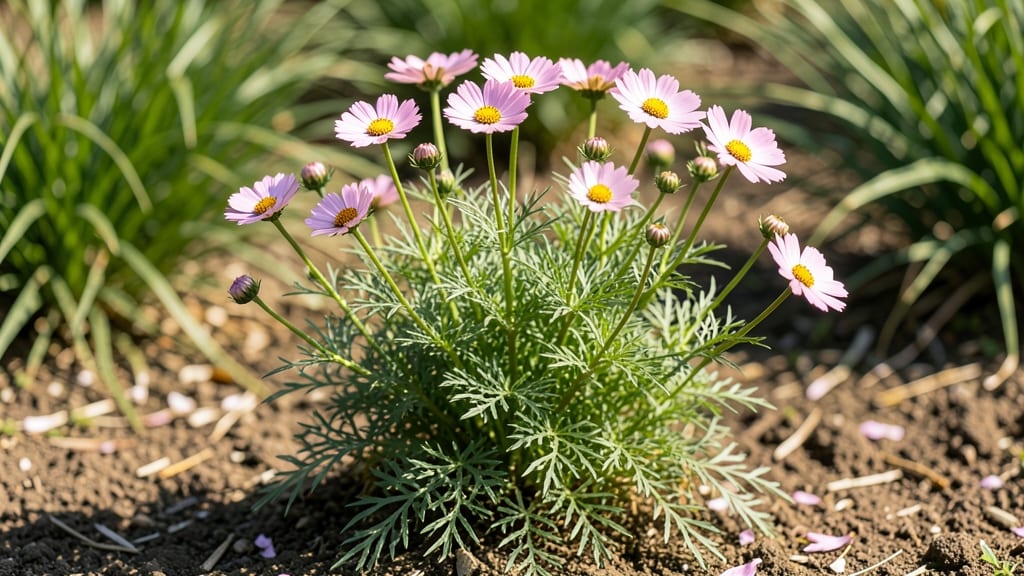
Coreopsis blooms when heat and sunlight align—typically from June through September—but the exact timing depends on your variety and climate.
If you’ve ever watched your 🌼 coreopsis fade just as summer peaks, you’re not alone. Many gardeners assume these fiery flowers are short-lived, but heat-triggered varieties like Moonbeam or Zagreb can stretch their show for months with the right care.
What you’ll discover here is how to read your plant’s cues—when to expect early blooms, how to coax repeat flowers, and which varieties thrive longest in your zone.
From deadheading tricks to soil secrets, I’ll break down the most important factors that turn a 6-week display into a 3-month spectacle.
When and why coreopsis blooms: heat-triggered varieties explained
Coreopsis thrives on heat and sunlight, making it a standout perennial for sunny gardens. Unlike many flowers that bloom early and fade, coreopsis often responds to rising temperatures by producing prolonged, vibrant blooms throughout summer and into fall.
This heat-triggered behavior is especially pronounced in varieties like Coreopsis verticillata and Coreopsis lanceolata, which delay their peak flowering until late June or July when temperatures consistently reach 75°F+.
The secret lies in their dormancy cycles. Many coreopsis varieties enter a period of slowed growth in cooler spring months, conserving energy until warmth triggers new flower buds. This natural timing aligns perfectly with gardeners who want late-season color when other plants begin to fade.
For example, Coreopsis 'Moonbeam' typically waits until mid-summer to burst into its signature golden-yellow blooms, while Coreopsis 'Zagreb' may start flowering earlier but peaks with heat.
Understanding these patterns helps you choose the right varieties for your climate. In USDA Zone 6a and warmer, heat-triggered bloomers shine, while cooler regions may benefit from early-blooming types like Coreopsis 'Early Sunrise'.
The key is matching your local frost dates with the variety's natural timing to maximize the bloom window.
| Variety | Bloom Trigger | Peak Bloom Time | Heat Tolerance |
|---|---|---|---|
| Coreopsis verticillata | 75°F+ consistent | Late July-Sept | Excellent |
| Coreopsis lanceolata | 65°F+ rising | June-August | Good |
| Coreopsis 'Moonbeam' | 80°F+ sustained | July-Sept | Very High |
| Coreopsis 'Zagreb' | 60°F+ warming | May-July | Moderate |
| Coreopsis 'Early Sunrise' | 55°F+ stable | April-June | Low |
Sunlight acts as the primary bloom activator for coreopsis. These plants require 6+ hours of direct sun daily to trigger flower production. Without adequate light, they may produce fewer blooms or enter a prolonged dormancy.
For example, in shady gardens, Coreopsis 'Moonbeam' might bloom sporadically, while the same plant in full sun will produce continuous blooms from July to frost.
Another critical factor is soil temperature. Coreopsis roots prefer warm soil (60°F+) to stimulate growth. In cooler climates, consider using black plastic mulch or planting in south-facing beds to warm the soil faster.
This simple trick can advance bloom times by 2-3 weeks, especially for heat-sensitive varieties like Coreopsis 'Zagreb'.
Dormancy plays a surprising role in bloom timing. Many coreopsis varieties store energy underground during winter, then use it to fuel summer blooms. If you prune back plants in early spring, you risk removing stored nutrients, delaying the first flowers.
Instead, wait until after the first blooms appear to prune, allowing the plant to use its reserves for earlier and more abundant flowering.
Regional differences also matter. In Southern climates, coreopsis may bloom nearly year-round with minimal dormancy, while Northern gardens see shorter seasons.
For example, in Zone 7b, Coreopsis verticillata often blooms from June to October, while in Zone 4a, the same variety might only flower from July to September. Adjusting planting times and choosing early vs. late varieties can help bridge these gaps.
One common misconception is that coreopsis blooms only once per season. In reality, heat-triggered varieties often produce secondary blooms when daytime temperatures remain high. For instance, Coreopsis 'Sunray' may have a first flush in June followed by renewed blooms in August if summer stays warm.
This dual-flowering habit makes coreopsis a low-maintenance, long-lasting addition to any sunny border.
To maximize bloom time, pair your coreopsis with companion plants that thrive in similar conditions. For example, Russian sage and black-eyed Susan complement coreopsis's heat tolerance while extending the seasonal color palette. Together, they create a continuous display from early summer through fall, even as temperatures climb.
How to extend coreopsis bloom time with proven gardening tips
Coreopsis thrives in heat but often struggles with short bloom seasons. The good news? With the right care, you can extend their flowering by up to 3 months.
Heat-tolerant varieties like Coreopsis verticillata naturally respond to warmth, but even standard types can perform better with targeted techniques. Let’s explore how to keep those cheerful blooms lasting longer.
First, focus on deadheading—the simplest trick to prolong flowering. When you remove spent blooms regularly, your coreopsis plants redirect energy into producing new buds instead of seeds. This method works best for continuous bloomers like Coreopsis lanceolata.
Pair this with proper soil moisture balance, and you’ll see dramatic results in just a few weeks.
🌼 Top 5 Ways to Extend Coreopsis Bloom Time
- 1. Deadhead weekly – Snip off faded blooms to encourage new growth.
- 2. Prune lightly – Trim back 1/3 of stems after first flush for a second bloom cycle.
- 3. Water deeply – 1 inch per week during dry spells to prevent stress.
- 4. Mulch heavily – Use 2-3 inches of mulch to retain moisture and cool roots.
- 5. Plant companions – Add bee-friendly plants like lavender or salvia to boost pollination.
Pruning is another game-changer for heat-triggered varieties. After the first major bloom cycle, cut back 1/3 of the plant’s height to stimulate a second round of flowers.
Timing matters here—prune in early summer when temperatures are high but not scorching. This trick works especially well for Coreopsis 'Moonbeam', which often reblooms with proper pruning.
Don’t overlook the power of companion planting. Coreopsis attracts pollinators like bees, but adding native perennials like coneflowers or black-eyed Susans creates a pollinator-friendly ecosystem.
This not only extends your coreopsis’ bloom time but also supports local wildlife. Plus, taller companions can shield roots from extreme heat while still allowing full sun.
For soil moisture balance, aim for consistent but not soggy conditions. Coreopsis is drought-tolerant once established, but deep watering once a week during peak summer keeps blooms vibrant. Avoid overhead watering—it can promote fungal diseases that weaken plants. Instead, water at the base in the morning for best results.
Finally, choose heat-tolerant varieties if you live in a hot climate. Types like 'Zagreb' or 'Sunray' naturally bloom longer in 90°F+ temperatures. Pair these with the tips above, and you’ll enjoy coreopsis blooms from early summer to fall.
With these strategies, your garden will stay colorful well into autumn’s golden hues.