
Flowers
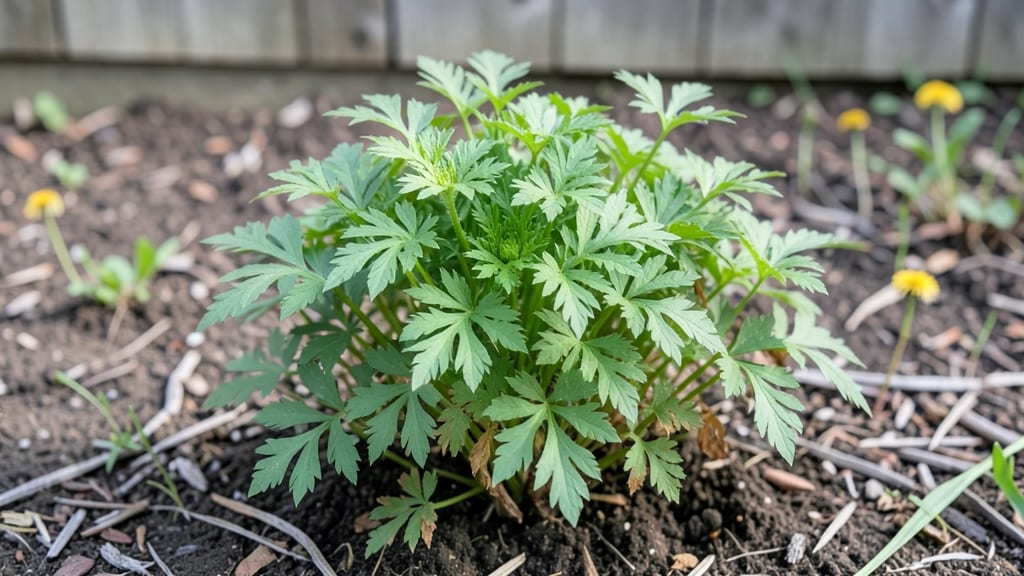
Before your cosmos bloom, the real magic happens in the seedling stage—where proper care turns delicate sprouts into showstopping 🌸 flowers.
Those fern-like seedlings you’re nurturing could soon transform into vibrant cosmos blooms—but only if you recognize their growth stages and provide the right care before they open. Miss this window, and you might lose your plants before they ever reach their full glory.
In USDA Zone 6a, planting in April-May gives cosmos the ideal spring start, but timing isn’t everything—soil prep, watering, and spacing make all the difference. A single mistake here can stunt growth or invite pests, leaving you with leggy stems instead of lush blooms.
This guide breaks down what to watch for at each stage, from true leaves to stem elongation, plus the key care steps to ensure your cosmos thrive before their first bloom. Let’s set you up for success!
How to identify cosmos seedling stages before bloom
Understanding the cosmos seedling stages is the first step to growing show-stopping blooms. From the moment those tiny seeds sprout, each phase requires specific care to ensure your plants reach their full potential.
I’ve watched cosmos seedlings go from fragile sprouts to towering blooms, and the difference between success and failure often comes down to recognizing these early signals.
Your cosmos seedlings will progress through distinct growth phases: cotyledon stage, true leaves emergence, and stem elongation. Each stage has unique visual cues that tell you whether your seedlings are thriving or struggling.
Miss these signs, and you might end up with leggy, weak plants that never bloom—or worse, lose them entirely to disease or pests.
Here’s what to look for at each cosmos growth stage, plus the most common mistakes that derail seedlings before they even reach maturity. With this knowledge, you’ll know exactly how to nurture your plants from seed to stunning cosmos flowers.
| Stage | Visual Cues | Healthy Signs | Red Flags | Days to Next Stage |
|---|---|---|---|---|
| Cotyledon Stage | Two round, spoon-shaped leaves | Firm stems, vibrant green leaves | Yellowing leaves, weak stems | 7-10 days |
| True Leaves Emergence | Fern-like, finely divided leaves | 3-4 true leaves, upright growth | Stunted growth, curled leaves | 10-14 days |
| Stem Elongation | Rapid vertical growth, 4+ leaves | Strong stems, dark green leaves | Leggy stems, pale leaves | 14-21 days |
| Bud Formation | Small green buds at stem tips | Multiple buds, firm stems | Single bud, weak stems | 21-30 days |
The cotyledon stage is your first checkpoint. These are the seed leaves that appear within 5-7 days of planting. Healthy cosmos seedlings at this stage will have two round, spoon-shaped leaves that are a vibrant green.
If you notice yellowing or wilting, it’s often a sign of overwatering or poor drainage. I’ve seen seedlings drown in soggy soil during this phase—always use well-draining seedling mix to prevent this.
Once your seedlings move to the true leaves emergence stage, you’ll see the classic fern-like foliage that cosmos are famous for. This usually happens within 10-14 days after the cotyledons appear. At this point, your seedlings should have 3-4 true leaves and be growing upright.
If the leaves appear curled or stunted, it could indicate underwatering or nutrient deficiency. A light application of balanced fertilizer (like 5-10-10) can give them a boost.
During stem elongation, your seedlings will start growing taller at a rapid pace. This is when you’ll need to pay close attention to light exposure. If your seedlings are stretching toward the light (a condition called etiolation), they’re not getting enough sunlight.
I’ve had to move trays closer to a south-facing window or even supplement with grow lights to prevent this. Aim for 6+ hours of light daily to keep stems sturdy and leaves dark green.
The final pre-bloom stage is bud formation, where you’ll see tiny green buds emerging at the stem tips. This is your cue that the plant is preparing to flower! Healthy seedlings at this stage will have multiple buds and firm, upright stems.
If you notice only a single bud or weak stems, it might be time to transplant into larger containers or your garden to give roots more space to grow.
One of the biggest mistakes I’ve seen gardeners make is overcrowding seedlings during early growth. When seedlings are too close together, they compete for nutrients and light, leading to weak stems and poor blooms later.
Always thin seedlings to 3-4 inches apart once they’ve developed their first true leaves. This might seem harsh, but it ensures each plant has room to thrive.
Another common pitfall is ignoring pests in the early stages. Tiny aphids or spider mites can go unnoticed until they’ve weakened your seedlings. I recommend inspecting leaves regularly with a magnifying glass.
If you spot pests, treat with neem oil or insecticidal soap to protect your seedlings before they reach the budding stage.
By recognizing these cosmos seedling stages and addressing issues early, you’ll set your plants up for a season of vibrant, long-lasting blooms. The key is to stay observant—those delicate seedlings are counting on you to guide them through each phase with care and precision.
Critical care tips for cosmos seedlings to ensure healthy blooms
Your cosmos seedlings are the foundation for stunning summer blooms, but they need precise care during the pre-bloom phase to thrive. This is when they’re most vulnerable to overwatering, nutrient deficiencies, and pest pressure.
Skipping these steps can leave you with leggy, weak stems instead of vibrant flowers. Let’s focus on the key actions that will set your cosmos up for success.
First, sunlight exposure is non-negotiable. Cosmos seedlings crave 6+ hours of direct sunlight daily, but too much heat without proper acclimation can scorch tender leaves. Start by placing them in a bright, south-facing window or under grow lights if indoors.
Gradually increase their sun exposure over 7-10 days to harden them off for outdoor planting.
Now, let’s address the most critical mistake gardeners make: overwatering. Cosmos seedlings have shallow roots and despise soggy soil. Water only when the top 1-2 inches of soil feel dry, and always use a pot with drainage holes to prevent root rot.
A deep soak in the morning is ideal—it mimics natural rainfall and gives foliage time to dry before evening.
⚠️
Cosmos seedlings are sensitive to damp soil and excess nitrogen, which causes leafy growth at the expense of blooms. Signs of trouble:
- Yellowing leaves = Overwatering or nutrient burn
- Stunted stems = Phosphorus deficiency (add bone meal)
- Pale green foliage = Nitrogen overload (switch to balanced 5-10-10 fertilizer)
Next, pay attention to soil conditions. Cosmos prefer well-draining, slightly sandy loam with a neutral pH. Amend heavy clay soil with compost or perlite to improve aeration.
Avoid fresh manure—it can burn delicate seedlings. A light top dressing of worm castings every 4 weeks provides gentle, balanced nutrients without overwhelming the plants.
Pests are another sneaky threat. Keep an eye out for aphids and spider mites, which love tender new growth. If you spot them, blast off with a strong spray of water or use neem oil (diluted to 1 tbsp per gallon) as a preventive spray.
Healthy seedlings with strong stems are less attractive to pests, so prioritize air circulation by spacing them 6-12 inches apart.
Finally, don’t forget to prune leggy seedlings to encourage bushier growth. Pinch off the top set of leaves when the plant reaches 6 inches tall. This redirects energy from vertical growth to root and side shoot development, resulting in more blooms later.
Use clean, sharp scissors to avoid damaging the stem.
With these critical care tips, your cosmos seedlings will transition smoothly into robust, blooming plants. Stay consistent with your watering schedule, sunlight exposure, and soil maintenance, and you’ll be rewarded with months of vibrant blooms from summer through fall.