
Blooming
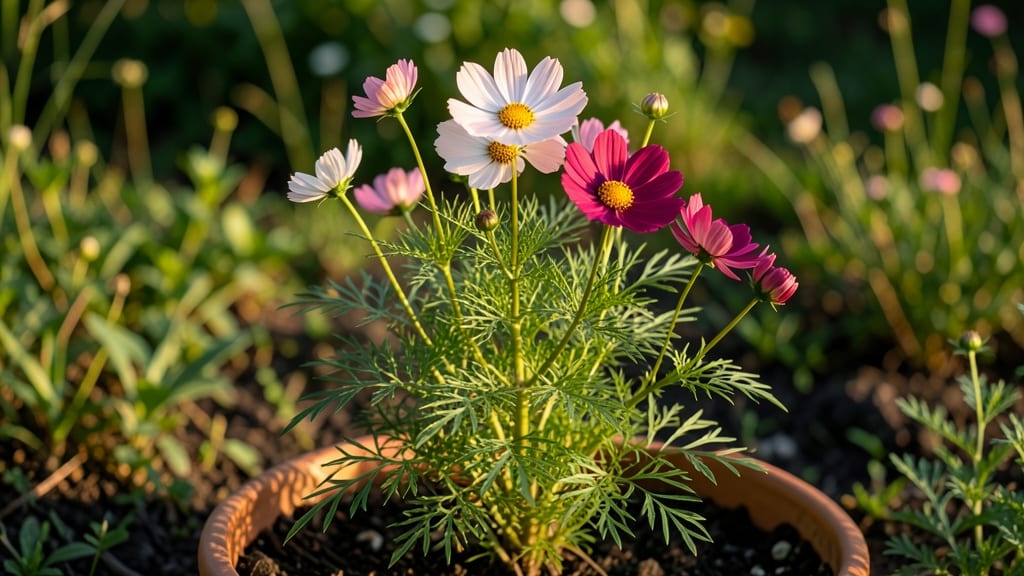
Your cosmos seeds will bloom in 6 to 12 weeks—but only if you nail the timing, sunlight, and soil just right.
Picture this: you’ve sown those delicate cosmos seeds in early spring, and by mid-summer, your garden is bursting with vibrant pink, white, and magenta blooms 🌸. But what if you’re in a cooler zone, or your variety is a slow grower?
The difference between a fast 6-week bloom and a delayed 12-week wait comes down to a few key factors.
In this guide, I’ll break down the exact germination period, growth stages, and bloom timeline for cosmos—plus how sunlight, soil temperature, and even your planting zone can speed up or slow down those cheerful flowers.
Ready to plan your garden like a pro? You’ll learn when to plant, which varieties bloom fastest, and how to cut 2 weeks off your wait time without sacrificing those stunning blooms.
Cosmos seed to bloom time by variety: fastest and slowest bloomers
If you're eager to see your cosmos garden burst into color, the seed-to-bloom timeline depends heavily on the variety you choose. Some cosmos varieties bloom in as little as 6 weeks, while others take closer to 12 weeks to show off their vibrant petals.
The difference often comes down to plant height, color intensity, and even the seed's genetic makeup. Let’s break down the fastest and slowest bloomers so you can plan your garden with precision.
Most cosmos seeds germinate within 5–10 days after planting, but the real wait comes during the vegetative growth phase. This is when the plant focuses on building strong stems and leaves before shifting energy to flower production.
Dwarf varieties, like 'Sensation Mix', tend to bloom faster because they devote less energy to vertical growth. Meanwhile, taller cosmos, such as 'Seashells', may take an extra 2–3 weeks to reach their full flowering potential.
Color also plays a subtle role in bloom speed. Deep pink and magenta cosmos often bloom slightly faster than pure white or pale yellow varieties, likely due to differences in pigment production. However, the biggest factor is sunlight exposure.
Cosmos thrive in full sun (6+ hours daily), and plants grown in ideal light conditions can cut their bloom time by 1–2 weeks compared to those in partial shade.
| Variety | Bloom Time (Weeks) | Height Range | Color Notes |
|---|---|---|---|
| 'Bright Lights' | 6–8 weeks | 1–2 ft (dwarf) | Striped pink/white |
| 'Sensation Mix' | 7–9 weeks | 1.5–3 ft | Multi-color blend |
| 'Seashells' | 9–12 weeks | 4–6 ft (tall) | Pure white |
| 'Sonata Double Click' | 8–10 weeks | 2–3 ft | Deep pink |
| 'Cosmic Orange' | 6–8 weeks | 2–4 ft | Vibrant orange |
*Bloom times assume ideal conditions: full sun, well-draining soil, and consistent moisture.
For the fastest results, 'Bright Lights' and 'Cosmic Orange' are my top picks. These varieties can produce first blooms in just 6 weeks, making them perfect for cutting gardens or container plantings where you want quick color.
Their compact size also means they require less energy to grow, so they prioritize flowering over stem elongation.
If you're aiming for a dramatic, tall backdrop in your garden, 'Seashells' delivers stunning white blooms but takes the longest to mature. The extra 3–4 weeks in bloom time is worth it for the elegant, airy effect they create when planted in clusters.
Just be prepared to provide sturdy support (like stakes or trellises) to prevent flopping in windy conditions.
Color intensity can also influence bloom speed. Darker hues like deep pink or magenta often appear slightly earlier than lighter shades because the plant’s energy is focused on pigment production.
For example, 'Sonata Double Click' with its rich pink blooms typically flowers 1 week earlier than its white counterparts when grown under identical conditions.
One pro tip to speed up bloom time across all varieties is to deadhead spent flowers regularly. This simple task tricks the plant into focusing its energy on producing new blooms instead of setting seed.
I’ve seen cosmos plants double their flowering output within 2 weeks of consistent deadheading, especially in hot summer months when growth naturally slows.
For gardeners in cooler climates (Zones 3–5), cosmos planted in late spring may take 1–2 weeks longer to bloom compared to those in warmer zones (Zones 8–10).
The key is to start seeds indoors 4–6 weeks before your last frost date and transplant seedlings outdoors once soil temperatures reach 55°F or warmer. This head start can shave off critical weeks from your bloom timeline.
Finally, don’t overlook the role of
How planting Zone and season impact cosmos bloom speed
Your planting zone and seasonal timing can shift cosmos bloom speed by 2–3 weeks, even with the same variety. In cooler zones like Zone 3, cosmos often bloom faster because shorter days trigger earlier flowering.
Meanwhile, in Zone 9, longer growing seasons delay blooms until late summer. Understanding these differences helps you time plantings for maximum flower production.
Cosmos thrive in cool-season starts but bolt quickly in heat, so spring and fall plantings yield the best results. In Zone 3–5, sow seeds 4–6 weeks before last frost for early blooms.
In warmer zones (Zone 7–9), fall planting avoids summer heat stress and produces longer-lasting blooms. The key is matching your zone’s frost-free period to cosmos’ 60–90-day bloom window.
| Zone & Season | Germination Time | Seed to Bloom | Best Planting Window |
|---|---|---|---|
| Zone 3–5 (Spring) | 5–10 days | 60–75 days | April–May (after frost) |
| Zone 3–5 (Fall) | 7–12 days | 70–85 days | August–September |
| Zone 6–8 (Spring) | 7–14 days | 70–90 days | March–April |
| Zone 9–10 (Fall) | 10–15 days | 80–100 days | July–August |
Spring plantings in Zone 3 often outperform Zone 9 because cooler temperatures slow early growth, delaying bolting (premature flowering). In contrast, Zone 9’s heat can cause bolting within 45 days, reducing bloom quality.
To counteract this, use shade cloth in summer or opt for fall plantings in warmer zones for longer stems and bigger blooms.
Avoid planting cosmos in late summer in cold zones—they’ll bolt before frost. Instead, direct-sow seeds in early spring or late summer (6–8 weeks before first frost) for two bloom cycles.
In Zone 9, succession plant every 3 weeks from March to June to stagger blooms through fall. This ensures continuous color and attracts pollinators year-round.
Pro tip: Soil temperature matters more than air temperature. Cosmos seeds need 60°F+ soil to germinate. In Zone 3, wait until soil warms to 65°F (use a soil thermometer) to avoid slow starts.
In Zone 9, mulch heavily to keep roots cool and prevent heat stress, which stunts growth. Balancing these factors cuts bloom time by 1–2 weeks.
For fastest blooms, pair early spring plantings in cool zones with light fertilization (5-10-10 NPK) at germination. In warm zones, prioritize fall plantings and drip irrigation to maintain even moisture.
With the right timing, your cosmos will reward you with vibrant blooms in as little as 60 days—no matter your zone! 🌸