
Blooming
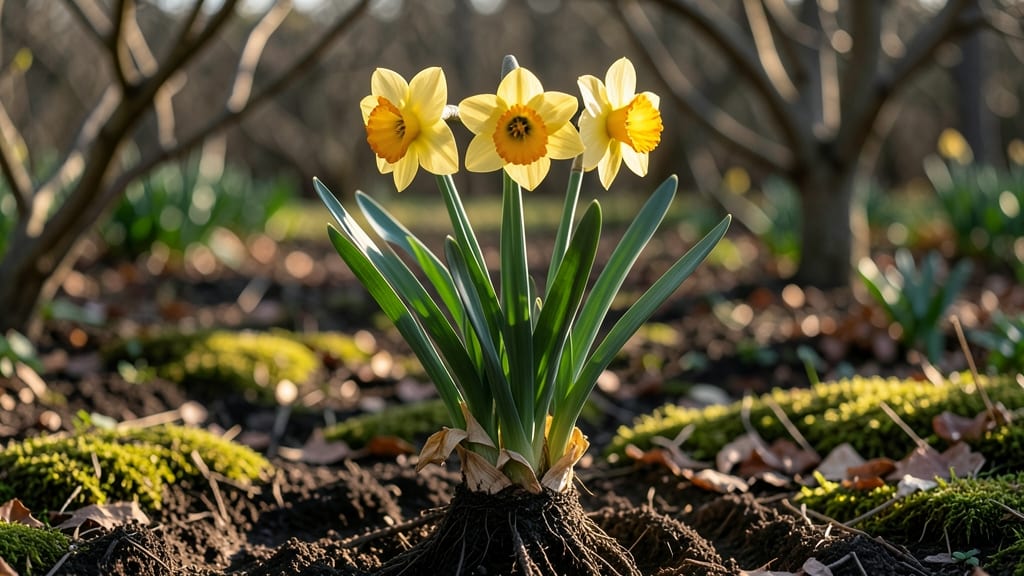
Daffodil bloom time varies from late winter to early spring—but the exact weeks depend on your variety and hardiness zone, not just the calendar.
Picture this: your yard is still blanketed in snow, yet bright yellow trumpets 🌼 are pushing through the soil. That’s the magic of early-blooming varieties like ‘February Gold,’ which can appear as soon as January in Zone 6a—while late bloomers like ‘Ice Follies’ might wait until April.
Knowing these timelines lets you plan for color bursts that match your local frost dates.
Climate plays a bigger role than you’d think. Northern gardeners often see daffodils emerge weeks earlier than their Southern counterparts, where warmer winters can delay blooms. Even soil temperature matters—cool roots trigger flowering, so mulching in fall can shift bloom windows by 2–3 weeks.
In this guide, you’ll discover exact bloom weeks by variety, how to adjust for your zone, and simple tricks to coax earlier—or longer-lasting—blooms. Ready to turn your garden into a springtime showstopper?
Daffodil bloom time by variety: early, mid, and late season flowers
Planning your garden around daffodil bloom time starts with choosing the right varieties. Some burst into color as early as late winter, while others wait until late spring. Understanding these timelines helps you create a staggered display that brightens your yard for weeks.
For example, 'Tête-à-Tête' daffodils bloom in just 4–6 weeks after planting, while 'Ice Follies' take 8–10 weeks to reach their peak. Let’s break down the exact bloom windows for popular varieties so you can design your garden with precision.
Early bloomers like 'February Gold' and 'Winter Sun' are perfect for gardeners in colder climates who crave color before spring arrives. These varieties often bloom 6–8 weeks after the ground thaws, making them ideal for USDA Zones 3–6.
Mid-season bloomers, such as 'Thalia' and 'Dutch Master', typically flower 8–10 weeks after planting, aligning with early to mid-spring. Late-season varieties like 'Peach Soufflé' and 'Salome' extend the show until May or June, depending on your location.
🌼
Notice how height and color trends shift across bloom times? Early varieties like 'Tête-à-Tête' are often shorter and yellow, perfect for containers or rock gardens. Mid-season bloomers like 'Thalia' and 'Dutch Master' reach taller heights (16–24 inches), making them ideal for border plantings.
Late bloomers like 'Peach Soufflé' and 'Salome' add vibrant colors and
How your hardiness zone affects daffodil bloom time (USDA map guide)
Your USDA hardiness zone plays a crucial role in determining when your daffodils will bloom. In colder zones 3–5, daffodils often bloom earlier—sometimes as early as late March—because they’ve had a long winter chill period.
Meanwhile, in warmer zones 8–10, blooms may arrive later or even staggered over weeks due to milder winters.
For example, 'February Gold' daffodils are bred to bloom in zone 4 as early as February, while the same variety in zone 9 might not appear until April. Understanding these patterns helps you choose the right varieties for your climate and plan your garden’s spring color timeline.
| USDA Zone | Typical Bloom Window | Climate Notes | Best Varieties |
|---|---|---|---|
| 3–5 | Late March–Early April | Cold winters trigger early blooms | 'February Gold', 'Tête-à-Tête' |
| 6–7 | Mid-April–Early May | Moderate chill, staggered blooms | 'Ice Follies', 'Thalia' |
| 8–10 | Late April–June | Warmer winters delay blooms | 'Carlton', 'Salome' |
In Northern climates (zones 3–5), daffodils often bloom 2–4 weeks earlier than in Southern regions. This is because cold winters provide the necessary vernalization (a chill period) that triggers flowering.
If you’re in zone 4 and want early color, plant 'February Gold'—it’s designed to bloom in late winter.
For Southern gardeners (zones 8–10), blooms may arrive later or in staggered waves. To extend your season, mix varieties like 'Carlton' (late bloomer) with 'Thalia' (mid-season). Planting bulbs in fall ensures they’ll have time to establish roots before warmer temperatures arrive.
Pro tip: Use mulch in colder zones to protect bulbs and shade cloth in hot zones to prevent premature wilting. Both tricks help regulate soil temperature, giving you more control over bloom timing.
By aligning your daffodil choices with your hardiness zone, you can enjoy vibrant blooms from February to June—no matter where you garden. 🌼