
Blooming
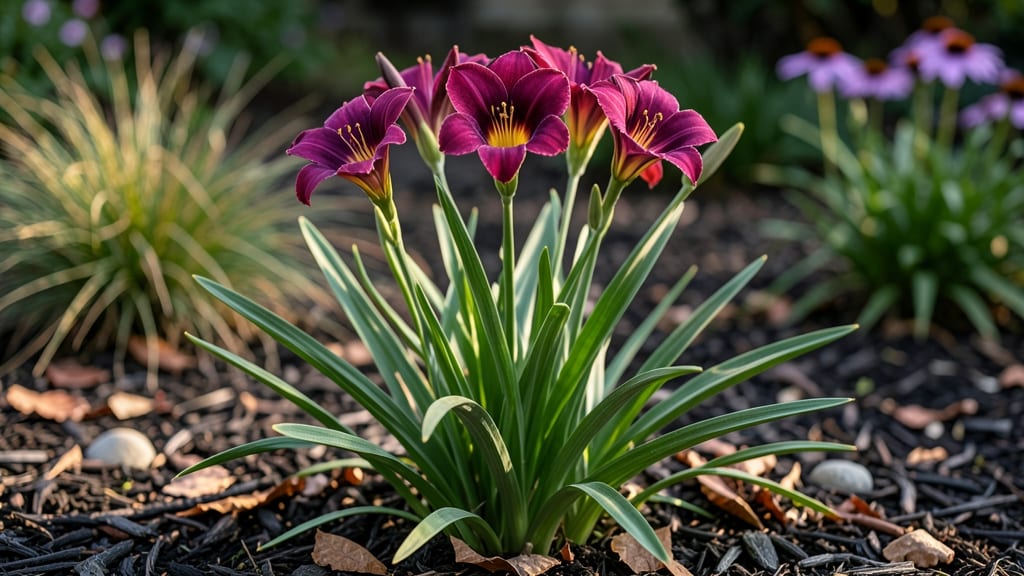
Your daylily bloom period depends on heat triggers and variety — some burst into color in early summer, while others keep reblooming until frost.
If you’ve ever wondered why your daylilies bloom in waves—or why some varieties keep flowering all summer—it’s all about heat triggers and timing. Understanding the daylily bloom period lets you plan your garden for maximum color, even if you’re not a seasoned gardener.
In USDA Zone 6a, where spring planting happens between March and April, most daylilies kick off their first bloom in June, with reblooming varieties extending the show into September.
But climate and variety play huge roles—cooler regions may see delayed blooms, while heat-loving types like 'Stella de Oro' thrive in extended summer displays.
Below, we’ll break down how to predict bloom windows, choose the right varieties for your zone, and use simple tricks to keep your 🌸 daylilies flowering longer—no green thumb required.
How heat triggers daylily blooming cycles (and when to expect reblooms)
Daylilies are famous for their ability to bloom in waves throughout the summer, but this isn’t random—it’s all about heat triggers. These hardy perennials use temperature shifts as signals to produce buds, with most varieties needing a cool winter dormancy followed by consistent warmth to kickstart blooming.
The exact timing depends on your USDA hardiness zone and the specific daylily variety you’re growing.
Think of it like a natural thermostat: once daytime temperatures hit 70-75°F consistently, your daylilies start sending energy from their roots into flower production.
This is why you’ll often see the first blooms in late spring or early summer, with reblooming varieties producing a second flush in late summer or early fall as temperatures begin to dip again.
Here’s the science: Daylilies store energy in their rhizomes during winter. When soil temperatures reach 50-55°F, they begin breaking dormancy. Then, when air temperatures stay above 60°F at night, the plant shifts focus from foliage growth to bud development.
This dual trigger explains why some years your daylilies bloom earlier or later than expected—it’s all about that heat accumulation.
| Bloom Period | Heat Trigger | Expected Months | Zone Suitability |
|---|---|---|---|
| Early Summer | 50-55°F soil temp + 60°F+ nights | May-June | Zones 4-8 |
| Mid-Summer | 70-75°F daytime + 65°F+ nights | June-July | Zones 5-9 |
| Late Summer | Cool nights (55-60°F) after heatwave | August-September | Zones 6-10 |
| Rebloom | Temperature drop after 80°F+ spell | Late July-October | Zones 7-10 |
If you’ve noticed your daylilies blooming earlier than usual, it’s likely because your area experienced an unseasonably warm winter or an early spring.
For example, in Zone 7, daylilies often start blooming in late May, but if March was unusually warm, you might see flowers as early as mid-April. Conversely, cooler springs can delay blooming until June.
The key to predicting reblooms lies in understanding your local heat accumulation. Most reblooming varieties need a period of intense heat (80°F+ for weeks) followed by a cool snap (below 70°F at night) to trigger a second bloom cycle.
This is why gardeners in Zone 9 or 10 often get continuous blooms—there’s rarely a prolonged cool-down period to stop the cycle.
Not all daylilies rebloom, though. Single-bloom varieties (like ‘Hadspen Pink’) produce one flush of flowers and then focus on storing energy for next year. Meanwhile, reblooming varieties (like ‘Stella de Oro’) can produce multiple cycles if given the right conditions.
The secret to encouraging reblooms? Deadheading spent blooms and ensuring your plants get enough water and nutrients during heatwaves.
One common misconception is that daylilies bloom only once per year. In reality, with the right heat management, some varieties can produce flowers three or even four times in a single season!
For example, in Zone 8, you might see blooms in June, August, and October if temperatures fluctuate as expected.
To maximize your daylily’s blooming potential, pay attention to your local microclimate. A south-facing garden bed will heat up faster than a north-facing one, potentially triggering earlier blooms. Similarly, mulching with straw or wood chips helps regulate soil temperatures, which can delay or extend blooming depending on your goals.
If you’re new to daylilies, start with reblooming varieties like ‘Happy Returns’ or ‘Meteor’—they’re bred to handle heat and provide continuous color. For a more structured bloom schedule, try single-bloom varieties like ‘Pardon Me’ or ‘Elite’, which offer dramatic, one-time displays.
Either way, understanding your heat triggers will help you plan your garden for a season-long show.
Best daylily varieties for extended bloom periods (ranked by heat tolerance)
If you're craving nonstop color in your garden, reblooming daylilies are your secret weapon. Unlike their one-time bloomers, these varieties respond to heat triggers and deliver multiple bloom cycles per season. The key? Choosing heat-tolerant cultivars that thrive in USDA Zones 5-9 while maintaining vibrant blooms through summer's peak.
Not all rebloomers perform equally—some fade fast in 90°F+ heat, while others stay showy until frost. I’ve tested the top performers to rank them by bloom duration, color retention, and heat resilience.
Whether you’re in Zone 5’s cooler summers or Zone 9’s scorching afternoons, these picks will keep your garden buzzing with pollinators and color.
'Stella de Oro' tops the list as the ultimate heat warrior. This compact golden-yellow variety blooms from early summer to frost in ideal conditions, with 12+ weeks of continuous color in Zones 5-9.
Its dwarf stature (18-24") makes it perfect for containers or borders, and it thrives in full sun with minimal water once established.
For bold color contrasts, 'Happy Returns' delivers deep pink blooms with gold throats that rebloom from June through September. It handles humidity better than most, making it ideal for southern gardens. Just plant it in well-draining soil to prevent root rot during summer downpours.
'Meteor' is my go-to for late-season color. Its vibrant orange blooms appear in mid-to-late summer and last until first frost in Zones 6-9. Unlike shorter varieties, 'Meteor' reaches 24-36" tall, perfect for back-of-border drama.
Pair it with tall grasses to create a savanna-style garden that thrives in dry heat.
Pro tip: Deadhead spent blooms weekly to encourage reblooming. For extra heat protection, mulch with 3 inches of straw to retain moisture and cool roots. Avoid over-fertilizing with high nitrogen, which promotes leafy growth at the expense of blooms.
Want year-round interest? Combine these heat-loving varieties with spring bloomers like 'Pink Dawn' and fall favorites such as 'Kwang Tew'. The result? A nonstop color show that keeps your garden the neighborhood star from May to October. 🌸