
Blooming
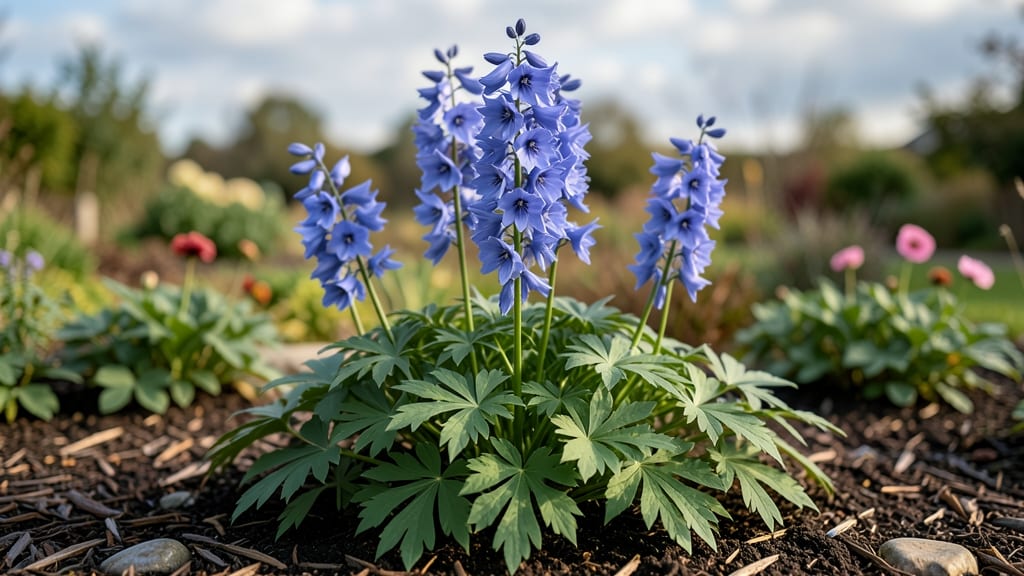
Delphinium flowers bloom in late spring through summer 🌸, transforming your garden into a vertical watercolor painting—but timing depends on your variety and zone.
Picture this: you’ve waited months for those towering spikes to burst into color, only to find your Pacific Giant blooming two weeks earlier than expected—or worse, your Belladonna fading before July. The difference? Climate, soil, and a few simple care tweaks that shift bloom windows dramatically.
In USDA Zone 6a, most delphiniums start flowering in June, but cooler zones can push blooms back to July, while southern gardens might see them as early as May.
Below, I break down the exact months for popular varieties, how to adjust for your region, and the three pruning tricks that add weeks to your display.
Ready to plan your peak-color timeline? You’ll learn which varieties rebloom, how to deadhead for longer seasons, and why your soil pH might be stealing weeks of blooms—without you even noticing.
Delphinium bloom time by variety: month-by-month breakdown for stunning color
Delphiniums are the showstoppers of summer gardens, offering towering spikes of blue, purple, and white blooms that attract pollinators and turn heads. But their bloom time varies dramatically depending on the variety, your planting zone, and even your care routine.
If you’ve ever wondered why your Pacific Giant blooms in June while your Belladonna waits until July, the answer lies in their natural flowering cycles—and how to work with them for peak color all season.
Understanding these month-by-month bloom windows lets you plan your garden like a pro. Early bloomers like Elatum varieties can kick off your summer display as soon as late May, while late-season types like Pacific Hybrid might not peak until August.
With the right mix, you can enjoy continuous color from June through September, creating a stunning progression of hues that keeps your garden vibrant longer.
| Variety | Early Bloom | Peak Bloom | Late Bloom | Repeat Blooms? | Height |
|---|---|---|---|---|---|
| Pacific Giant | Late June | July-August | September | Yes (with care) | 4-6 ft |
| Belladonna | Early July | July-August | Early September | No | 3-5 ft |
| Elatum | Late May | June-July | Early August | Rarely | 3-4 ft |
| Pacific Hybrid | Mid-July | August-September | October | Yes | 5-7 ft |
| Dwarf varieties (e.g., 'Blue Bird') | Late June | July | Early August | Yes (with deadheading) | 1-2 ft |
If you’re planting Pacific Giant delphiniums, mark your calendar for late June—that’s when the first buds will open, followed by a peak bloom in July and August.
These varieties are famous for their towering height (4-6 feet) and can continue producing flowers into early September if you deadhead regularly. For a longer bloom season, pair them with Elatum types, which start as early as late May and create a seamless transition.
The Belladonna delphinium is a mid-season favorite, typically blooming from early July through August, with a few late stragglers in September. Unlike Pacific Giants, these varieties rarely rebloom, so focus on extending their peak season with proper care. Their darker,
How planting zones shift delphinium bloom times: adjusting for early or late seasons
Your USDA planting zone plays a crucial role in determining when your delphiniums bloom. In colder zones like USDA 3-5, blooms often appear later due to slower spring warming, while southern zones (7-10) can experience earlier—but sometimes shorter—flowering periods.
Understanding these shifts helps you time plantings for maximum impact.
For northern gardeners (zones 3-6), cold-hardy varieties like 'Pacific Giant' may bloom as early as late May if planted in early spring and given protection from late frosts.
In contrast, zone 8-10 gardeners might see blooms starting in March or April, but heat-sensitive varieties may struggle in peak summer.
| USDA Zone | Typical Bloom Window | Adjustments for Early Blooms | Heat-Sensitive Tips |
|---|---|---|---|
| 3-5 | Late May - July | Start seeds indoors in March; use cold frames for earlier outdoor planting. | N/A (minimal heat stress) |
| 6-7 | June - August | Plant dwarf varieties like 'Blue Bird' in early April for earlier spikes. | Provide afternoon shade in July-August. |
| 8-10 | March - May (or Sept-Nov) | Use fall planting for winter blooms; mulch heavily. | Choose heat-tolerant varieties like 'Black Night'; water deeply daily. |
In zones 3-5, the key to earlier blooms is early planting and cold protection. Sow seeds indoors by February and transplant outdoors after the last frost, using row covers to shield young plants.
For zone 6-7, focus on soil preparation—amend with compost in fall to jumpstart spring growth.
Southern gardeners in zones 8-10 face a different challenge: heat stress. Delphiniums often bolt or produce fewer blooms when temperatures exceed 85°F (29°C).
To combat this, plant in partial shade and water at soil level (not overhead) to prevent fungal issues. Fall planting is also effective for winter blooms in mild climates.
For all zones, deadheading spent blooms encourages second flushes, extending the season by 3-4 weeks. In northern zones, this can push blooms into early September, while in the South, it may revive late-summer color after heat-induced dormancy.
Experiment with microclimates—like south-facing slopes or protected garden nooks—to create ideal conditions for your zone. With the right adjustments, you can enjoy delphinium blooms from spring to fall, regardless of where you garden. 🌸