
Blooming
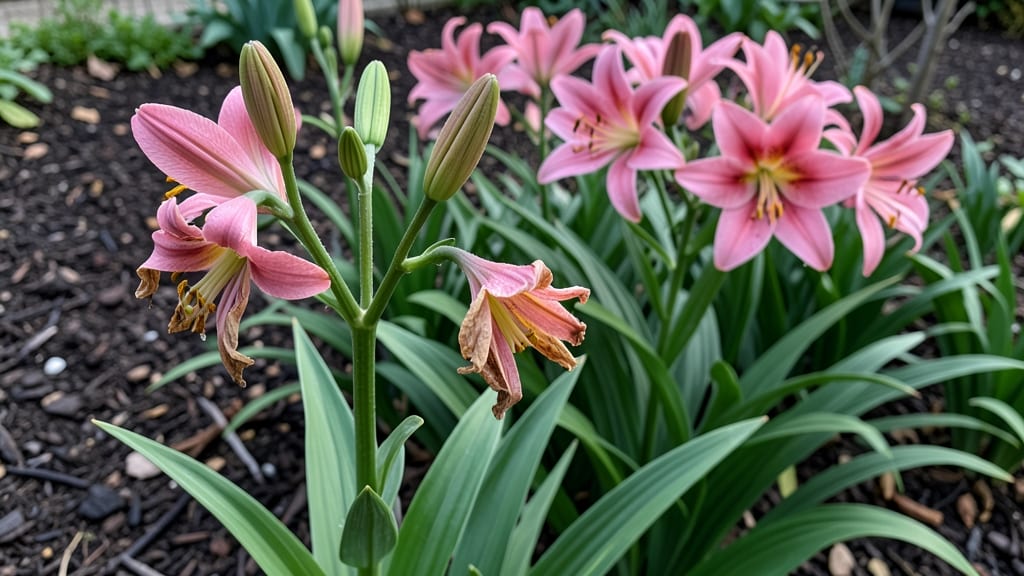
Asiatic lilies do not bloom more than once in a season under typical conditions, producing their showy flowers just once in early to mid-summer before entering dormancy. While some hybrid varieties like 'Stargazer' may rebloom under ideal care, most Asiatic types need specific conditions to encourage a second flowering.
Most Asiatic lilies focus their energy on a single spectacular bloom cycle each year, storing nutrients in their bulbs for next season's growth. 🌸 The challenge with reblooming lies in their natural growth patterns—once they've produced flowers, they shift into maintenance mode until spring.
That said, with careful cultivation (like fertilizing with phosphorus-rich supplements in late summer) and choosing reblooming cultivars, you can sometimes coax a modest second display from these stunning perennials.
What sets Asiatic lilies apart is their dramatic first bloom, which often steals the show in late spring to early summer. Unlike Oriental lilies, which are more likely to rebloom naturally, Asiatics prioritize that initial burst of color.
The key to encouraging any potential second flowering lies in mimicking ideal growing conditions—consistent moisture, well-draining soil, and protection from extreme heat during their dormancy period.
💡 In This Article
- Why Asiatic Lilies Usually Bloom Once Per Year
- How to Encourage Asiatic Lily Reblooming (If Possible)
Why Asiatic lilies usually bloom once per year
Asiatic lilies follow a strict biological rhythm where their energy is allocated to just one major bloom cycle per year. This single-season flowering is hardwired into their growth pattern, where the plant prioritizes producing vibrant, showy blooms in early to mid-summer (typically May-June in temperate climates) before shifting into dormancy.
The reason lies in their bulb's energy storage system, which acts like a biological battery—once depleted by flowering, the bulb needs to recharge for next season's growth.
The process begins in late winter when the bulb responds to increasing daylight and soil temperatures (around 50-55°F).
This triggers the production of flower buds, which require a massive nutrient investment—approximately 60-70% of the bulb's stored energy during the blooming phase. 🌿 After flowering, the plant enters a recovery phase where it focuses on rebuilding its reserves rather than producing another set of flowers.
This is why you'll rarely see Asiatic lilies attempt a second bloom without human intervention.
Environmental factors play a critical role in this cycle. Asiatic lilies are sensitive to temperature fluctuations, particularly during their dormancy period (late summer to early fall). If summer temperatures exceed 85°F for extended periods, the plant may experience stress that diverts energy away from potential reblooming.
Additionally, soil nutrient levels—particularly phosphorus—directly impact flowering potential. A phosphorus deficiency (common in many garden soils) can limit the bulb's ability to produce flowers at all, let alone multiple times.
Light exposure is another key factor. Asiatic lilies require full sun (6-8 hours daily) to trigger their flowering hormones. When planted in partial shade, they may produce fewer or smaller blooms, and their energy will be conserved rather than expended on a second cycle.
The plant's natural survival strategy is to ensure at least one strong reproductive cycle per year, even if it means sacrificing potential secondary blooms.
Comparing Asiatic lilies to their Oriental cousins highlights this difference. Oriental lilies, which are more likely to rebloom, have a different genetic makeup that allows them to produce smaller, secondary flower spikes later in the season.
Asiatic lilies, however, are bred primarily for their dramatic first bloom, with less emphasis on prolonged flowering. This is why gardeners often describe Asiatics as "one-hit wonders"—their entire gardening value is concentrated in that initial summer display.
What most gardeners don't realize is that even the most vigorous Asiatic lilies will only attempt a second bloom if given perfect conditions. This typically requires consistent moisture (1-1.5 inches per week), fertile soil (with a balanced 10-10-10 fertilizer), and protection from pests that might stress the plant.
Without these factors, the bulb's energy reserves will be too depleted to support another flowering cycle.