
Blooming
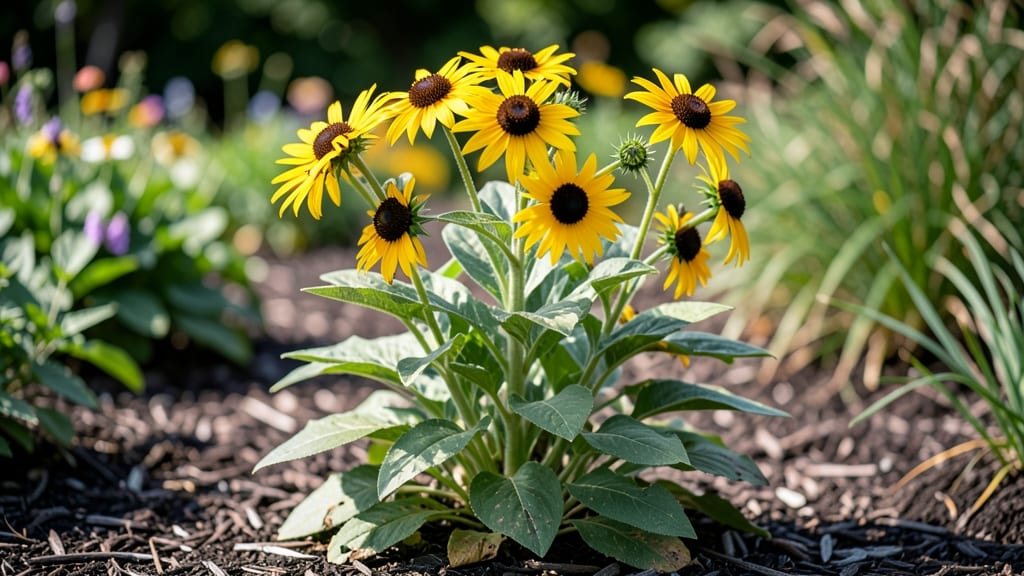
Black Eyed Susans do bloom all summer but typically fade by early fall, especially in hot climates, though late-season varieties like 'Autumn Beauty' can extend flowering into October. Proper care and deadheading help prolong their display.
Black Eyed Susans (Rudbeckia hirta) are summer's star performers, but their bloom duration depends heavily on variety and growing conditions. 🌻 While most varieties peak from June through August, cooler climates or well-maintained plants can keep them flowering into September.
The key difference lies in late-season varieties like 'Autumn Beauty,' which are bred specifically to resist early fading. Even standard varieties, however, can show extended blooms with consistent deadheading and proper soil moisture.
What many gardeners don't realize is that these flowers actually respond to day length changes. As daylight hours shorten in late summer, they naturally prepare for dormancy. This biological clock explains why even the hardiest varieties eventually fade—it's not just heat stress, but the plant's internal programming.
The good news? With regular care, you can often coax an extra 4-6 weeks of blooms from your plants.
💡 In This Article
- Black Eyed Susan Bloom Duration by Variety and Climate
- Tips to Extend Black Eyed Susan Blooms into Fall
Black Eyed susan bloom duration by variety and climate
Black Eyed Susans exhibit dramatic differences in bloom duration depending on their variety. Standard cultivars like 'Becky' and 'Goldsturm' typically produce vibrant flowers from mid-June to early September, with peak performance in July and August.
These varieties thrive in full sun and well-draining soil, but their flowering naturally declines as temperatures exceed 90°F for extended periods. The 'Wow' series, bred for compact growth, follows a similar timeline but often shows slightly earlier fading due to its denser foliage structure that traps heat.
What sets late-season varieties apart is their genetic resistance to heat stress. 'Autumn Beauty,' for example, maintains blooms until mid-October in cooler regions because its flowers develop thicker petal layers that reduce water loss.
In USDA Zone 5, this variety can extend blooming by 4-6 weeks compared to standard types. The science behind this involves delayed senescence—a process where plants naturally age and stop producing flowers.
Late-season varieties have slower senescence rates due to specific enzyme activity that preserves chlorophyll longer in the foliage.
Climate plays a crucial role in bloom longevity. In humid Southern climates, Black Eyed Susans often wilt by early August due to fungal pressure from prolonged moisture. The ideal temperature range for continuous blooming is 70-85°F with 6+ hours of sunlight daily.
In dry Western regions, however, they may bloom later into fall because cooler nights and lower humidity reduce stress.
What's fascinating is how these plants actually adjust their flowering based on photoperiod—they detect shortening daylight hours and begin preparing for dormancy, which is why even the hardiest varieties eventually fade.
Soil moisture management becomes critical in late summer. Plants grown in well-amended soil with 1-2 inches of mulch maintain blooms 2 weeks longer than those in dry conditions. The mulch acts as a moisture reservoir while preventing soil temperature spikes that accelerate senescence.
This is particularly important in Zone 6-7 climates, where afternoon heat can push plants into premature dormancy. The key mechanism here is how mulch regulates soil temperature fluctuations, creating a more stable growing environment for the roots.
Consider these regional performance differences when selecting varieties:
- Northern climates (Zones 3-5): All varieties bloom 2-3 weeks longer due to cooler nights
- Southern climates (Zones 8-9): Expect 30-50% shorter bloom periods without proper heat management
- Mountain regions: Altitude delays fading by 1-2 weeks due to lower temperatures
The most dramatic blooms occur when you combine late-season varieties with proper care. For instance, 'Autumn Beauty' in Zone 5 with 2 inches of mulch and weekly deadheading can produce blooms until mid-October, while standard varieties in the same conditions might fade by early September.
The difference comes down to both genetics and environmental optimization.