
Blooming
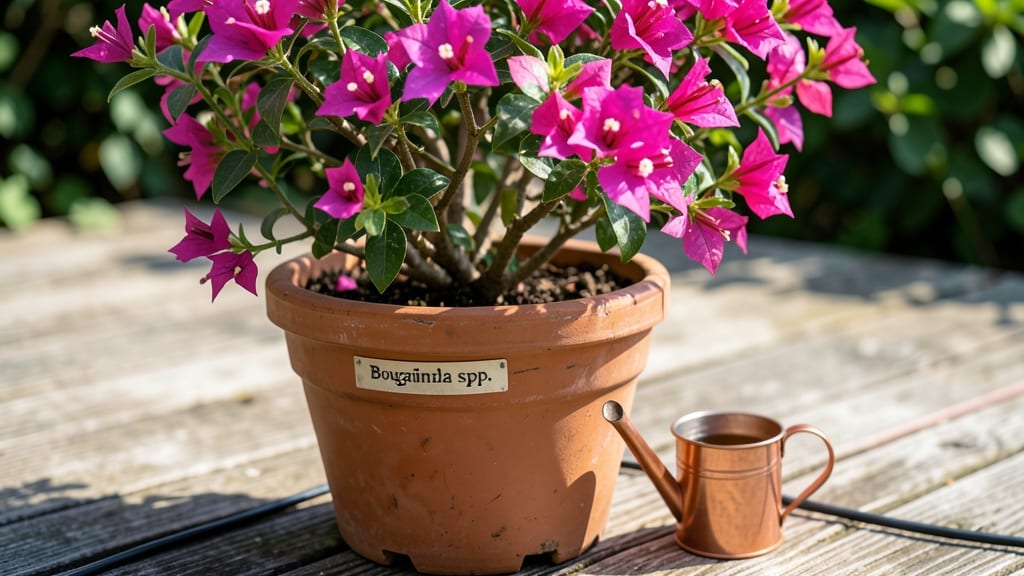
Bougainvillea blooms year-round only in frost-free tropical or subtropical climates (USDA Zones 10-11), while in cooler zones (9 and below), it enters dormancy in winter and regrows with warmer weather. Proper pruning and care extend blooming seasons in milder regions.
Bougainvillea's blooming habits are all about climate—think of it as a tropical diva that thrives only where temperatures stay above 30°F. 🌸 In warmer zones like Florida or Southern California, these plants burst with color continuously, while in cooler areas, they take a winter break.
The key difference lies in how cold triggers dormancy: leaves may drop, but the roots survive underground, ready to rebound when spring arrives. Even in milder zones, strategic pruning and consistent care can coax extra blooms, turning what might be a seasonal show into a near-year-round spectacle.
What's fascinating is how bougainvillea adapts—its vibrant bracts (often mistaken for petals) respond to sunlight intensity, so positioning matters. In cooler climates, I've seen gardeners use row covers or move potted plants indoors during freezes to preserve blooming potential.
The plant's resilience makes it a favorite for container gardening in temperate regions, where a little extra TLC can turn a winter lull into a spring rebirth.
💡 In This Article
- Climate Zones That Influence Bougainvillea Blooming Cycles
- Tips to Encourage Longer Bougainvillea Flowering Seasons
Climate zones that influence bougainvillea blooming cycles
The bougainvillea's blooming rhythm is directly tied to temperature thresholds that vary by USDA hardiness zone. In frost-free regions like Zones 10-11 (think Southern California, Florida, or Hawaii), temperatures consistently stay above 40°F year-round, creating ideal conditions for continuous flowering.
The plant's metabolic processes remain active, producing those signature papery bracts in vibrant magenta, orange, or purple hues every 4-6 weeks—a cycle that never pauses. 🌺
In contrast, Zones 9 and below experience winter temperatures dropping below 30°F, which triggers the plant's survival mechanism: dormancy. When nighttime temps hit 45°F for prolonged periods, bougainvillea conserves energy by shedding leaves and halting flower production.
The roots and woody stems remain alive underground, protected by a natural antifreeze-like compound that prevents cellular damage until spring warmth reactivates growth. This explains why bougainvillea in Zone 8 (like parts of Texas) may bloom only from spring through fall.
The sunlight factor adds another layer—bougainvillea requires 6-8 hours of direct sunlight daily to trigger flowering. In tropical zones, the consistent sunlight intensity maintains this cycle, while in cooler climates, shorter winter days reduce photosynthesis, further limiting bloom potential.
What's interesting is how bougainvillea adapts its growth habit: in milder zones, it often grows as a shrub, while in tropical regions, it thrives as a vigorous vine climbing trellises or fences.
Here's what happens when you push the limits: In Zone 9 (like Southern Arizona), bougainvillea may experience partial dormancy, with blooms slowing in winter but not completely stopping.
Gardeners in these areas often report 50-70% reduction in flowers during cold snaps, but with proper care, some varieties continue producing sporadic blooms. The key difference is that tropical varieties (like 'San Diego Red') handle cooler nights better than tropical-bred hybrids.
For those in Zones 7-8, the challenge is more pronounced. Below 20°F, even the hardiest bougainvillea varieties will suffer damage, with stems dying back to the ground. However, the roots often survive, ready to sprout new growth when temperatures rise above 60°F.
This explains why many gardeners in these zones treat bougainvillea as an annual or use it in containers that can be moved indoors during winter.
The science behind this involves ethylene gas production—a plant hormone that increases during cold stress. Ethylene triggers leaf drop and bud dormancy, similar to how deciduous trees prepare for winter.
What's unique about bougainvillea is that it can "remember" its optimal growing conditions, which is why proper summer care (like consistent watering and balanced fertilization) helps it bounce back stronger in spring. 🌿