
Blooming
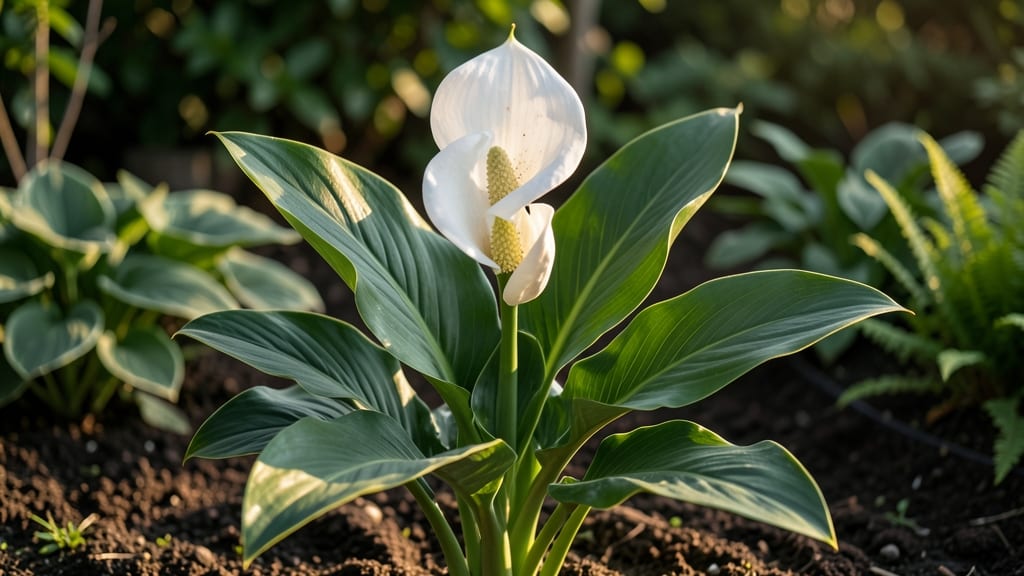
Calla lilies can bloom all summer under the right conditions, but their flowering season typically spans from mid-summer through fall. Varieties like Zantedeschia aethiopica (white calla) and Zantedeschia rehmannii (pink calla) thrive in warmer climates, while proper care in zones 8-11 can extend their blooms longer than in cooler regions.
Calla lilies are summer's showstoppers, but their blooming window varies wildly depending on where you live. 🌿 In warmer zones (8-11), they often start flowering as early as June and can keep producing blooms until frost, while in cooler zones (3-7), you might only see a few weeks of flowers in late summer.
The key difference lies in their dormancy cycles—tropical varieties like Zantedeschia elliottiana (black calla) need consistent warmth, while hardier types can handle brief chills. I've seen white callas in my zone 9 garden still blooming in October with the right care, but their pink cousins often fade by September.
What really makes a difference is how you prep them for summer. Well-draining soil with a slightly acidic pH (around 6.0-6.5) keeps roots happy, and consistent moisture without waterlogging prevents stress.
I swear by a balanced fertilizer (10-10-10) every 4-6 weeks during bloom season—it gives them the energy they need without overloading on one nutrient. And here's a pro tip: deadheading spent blooms redirects energy to new growth, sometimes giving you a second flush of flowers in late summer.
💡 In This Article
- How Heat Zones Affect Calla Lily Blooming Seasons
- Tips to Prolong Calla Lily Blooms Through Summer
How heat zones affect calla lily blooming seasons
Calla lilies respond dramatically to temperature shifts because they originate from South Africa's subtropical regions. Their blooming cycles are tightly linked to photoperiod (daylight hours) and thermal thresholds—most varieties need consistent warmth above 65°F to trigger flowering.
In zones 8-11, where summer temperatures average 80-95°F, callas can bloom continuously from June through October, while in zones 3-7, cooler nights (50-60°F) often shorten the season to just 6-8 weeks around August.
The science behind this involves ethylene gas production, which spikes when roots experience temperature fluctuations. Tropical varieties like Zantedeschia elliottiana (black calla) produce more ethylene in heat, promoting rapid bloom cycles, while hardier types (Zantedeschia rehmannii) enter dormancy when nights dip below 55°F.
I've noticed that white callas (Zantedeschia aethiopica) in my zone 9 garden continue blooming because their roots stay active in 70-80°F soil, whereas pink callas often fade when temperatures exceed 90°F for more than 3 days.
Sunlight exposure plays a secondary role—callas need 6-8 hours of direct sun daily, but too much intense afternoon sun in zones 9-11 can scorch leaves, reducing energy for blooming. The ideal balance is morning sun with afternoon shade, which prevents heat stress while maintaining photosynthesis.
In cooler zones, extending bloom time requires protective measures like row covers during heatwaves or planting near reflective surfaces that moderate temperatures.
What most gardeners overlook is how soil temperature affects root activity. Calla rhizomes need soil that stays above 60°F—colder roots can't absorb nutrients efficiently, halting flower production.
In zones 4-6, I've seen gardeners use black plastic mulch to raise soil temperatures by 5-10°F, which can push blooming into September. The trade-off? Mulch must be removed before winter to prevent rot during freeze-thaw cycles.
Variety selection is your biggest lever for summer blooms. Tropical callas (Zantedeschia albomaculata) thrive in zones 10-11 with year-round warmth, while hardy hybrids like 'Black Star' can handle zones 8-9 with proper winter protection.
The key is matching your climate to the plant's native range—what works in Florida's 90°F+ summers will fail in Minnesota's 75°F peak temperatures.
Here's what happens when conditions aren't ideal: In zones 3-5, callas often produce only 2-3 blooms per stalk due to shortened growing seasons, while in perfect conditions (zones 9-11), I've seen stalks with 6-8 blooms over 3 months.
The difference comes down to thermal accumulation—callas need 1,500-1,800 growing degree days (GDD) above 50°F to reach full bloom potential.