
Blooming
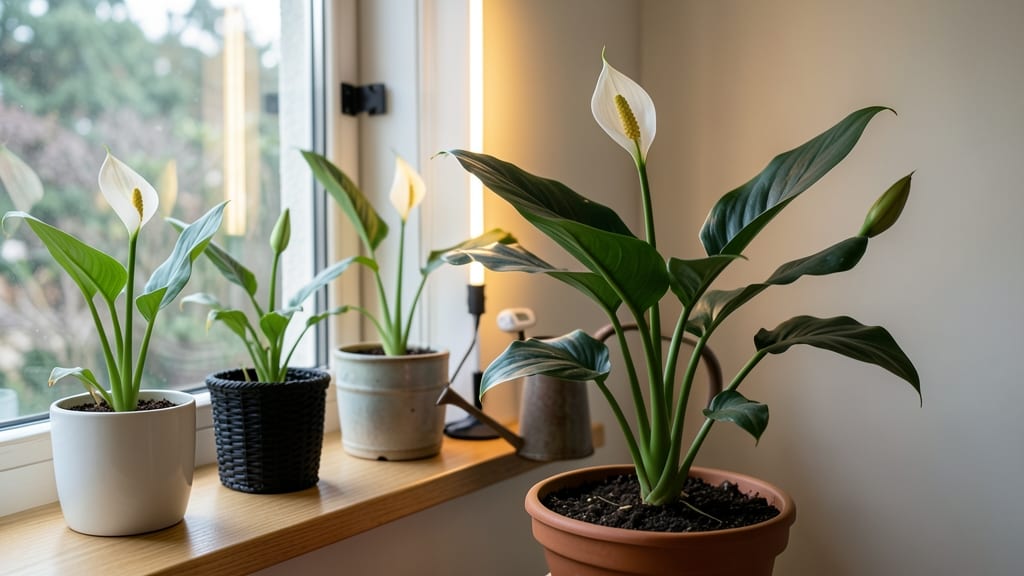
Calla lilies don't bloom all year—they follow seasonal patterns, flowering most actively in late spring and summer, with dormancy in cooler months. Even tropical varieties maintain this rhythm unless grown indoors with controlled conditions.
Calla lilies are nature's schedule keepers, syncing their blooms with daylight length and temperature shifts. 🌸 In temperate zones, they enter dormancy when nights grow longer, conserving energy until spring's warmth triggers new growth.
Tropical varieties might stretch their season, but they still need consistent warmth to keep flowering—think of them as extending their spring rather than breaking the rules.
What's fascinating is how these plants "count" seasons. Many calla lilies need a period of cooler temperatures (a process called vernalization) before they'll bloom again, even in warm climates.
This built-in timing explains why you might get just one spectacular show each year unless you're willing to play gardener-scientist with grow lights and temperature-controlled environments.
💡 In This Article
- Calla Lily Blooming Seasons by Climate Zone
- Extending Calla Lily Blooms with Indoor Gardening
Calla lily blooming seasons by climate zone
The blooming cycle of calla lilies is governed by a delicate balance of temperature and daylight—think of them as plants with an internal calendar.
In USDA hardiness zones 7-10, where most gardeners grow them outdoors, calla lilies typically bloom from late May to September, with peak flowering in June and July.
This aligns with when daytime temperatures consistently exceed 70°F and nights stay above 55°F, signaling the plant to shift from vegetative growth to flowering.
Here's where climate zones create dramatic differences: Northern gardeners in zones 5-6 often see just 4-6 weeks of blooms, while Southern growers in zones 8-10 might enjoy 3-4 months of continuous flowers.
The key difference? Daylight length triggers dormancy in cooler climates—when daylight drops below 12 hours, the plant's internal clock tells it to conserve energy until spring. Tropical varieties (like Zantedeschia aethiopica) skip this dormancy entirely in warm climates, but they still need consistent warmth to keep producing blooms.
The science behind this involves a process called vernalization, where cooler temperatures (around 50-60°F for 4-6 weeks) reset the plant's flowering cycle. Without this chilling period, many calla lilies simply won't bloom again—even in warm climates.
This explains why you might get one spectacular show each year unless you're willing to simulate these conditions artificially. 🌡️
For gardeners in transitional zones (like zone 7), the challenge is timing: Plant rhizomes in early spring when soil reaches 60°F, but don't be surprised if blooms appear 2-3 weeks later than in warmer regions.
The plant needs to "wake up" gradually, and rushing it with heat lamps can actually delay flowering. This is why many gardeners in cooler areas treat calla lilies as annuals—they simply dig up and store the rhizomes each fall to protect them from freezing.
Even tropical varieties have limits: While they might bloom year-round in USDA zone 11, their flowers tend to be smaller and less vibrant without proper seasonal cues.
The largest, most dramatic blooms typically appear during the plant's natural growing season, which is why commercial growers often use supplemental lighting to extend the season by 2-3 months in greenhouses.
This creates the illusion of year-round blooming, but it's actually just a carefully controlled extension of the plant's natural cycle.
What most people don't realize is that calla lilies actually prefer this seasonal pattern—it's how they've evolved to conserve energy. When you see calla lilies blooming continuously in stores, they're almost always grown under artificial conditions with 14-16 hours of light daily and consistent 75-80°F temperatures.
Recreating this at home requires more than just good intentions—it's a full-time commitment to plant husbandry that most gardeners simply don't have the space or equipment for.