
Blooming
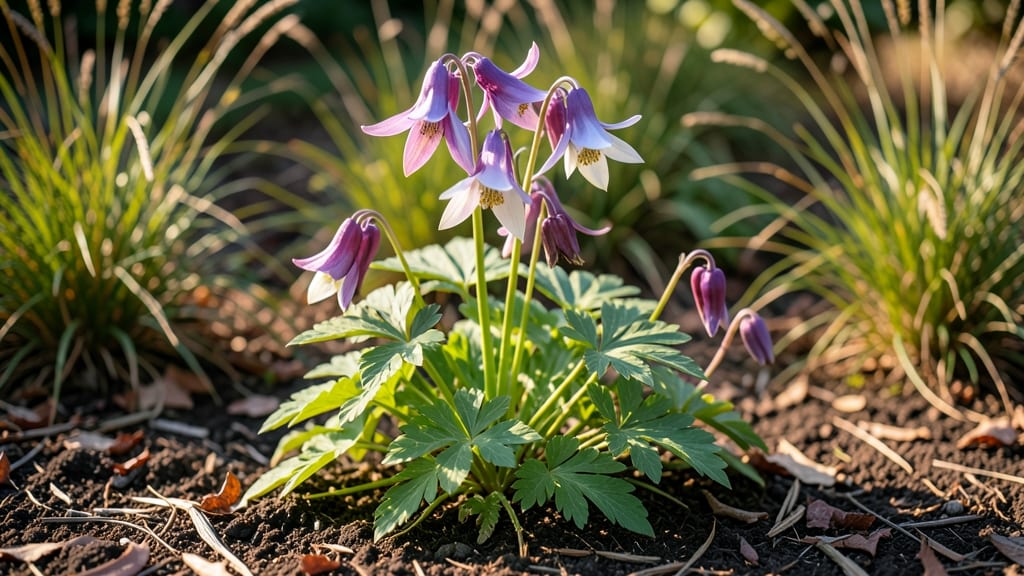
Columbines do not bloom all summer; most varieties flower in spring and early summer (April–June), with some reblooming in late summer or fall depending on climate and care. Cool-season types thrive in mild zones but fade in extreme heat.
Columbines are seasonal showstoppers, not year-round bloomers. 🌸 Their flowering cycles are tightly linked to temperature—most varieties burst into color when days cool down after winter, typically between April and June, then enter a natural dormancy phase as heat intensifies.
The few exceptions, like wild columbines (Aquilegia canadensis), may produce a second flush of blooms in late summer or early fall if given consistent moisture and partial shade. In hotter climates (USDA zones 7–9), these plants often go completely dormant until cooler weather returns.
What sets columbines apart is their cool-season resilience. Unlike tropical flowers, they thrive in 50–70°F ranges and actually benefit from light frost, which can trigger dormancy and preserve energy for next year's blooms.
This makes them perfect for northern gardens but requires extra care in southern regions—think of them as spring ephemerals with a potential encore performance if conditions are right.
💡 In This Article
- Columbine Bloom Seasons by Variety and Climate
- Extending Columbine Blooms: Pruning and Care Tips
Columbine bloom seasons by variety and climate
Columbines follow a precise biological rhythm tied to photoperiod and temperature. Their blooming cycle begins when day lengths lengthen in late winter, typically peaking in April–June across most USDA zones (3–8).
This timing aligns with their natural adaptation to cool, moist spring conditions—ideal for their delicate, nodding flowers to thrive without wilting in summer heat.
For example, the golden columbine (Aquilegia chrysantha) blooms earliest in March–April in high-altitude regions (zones 4–7), while eastern red columbine (Aquilegia canadensis) waits until May–June.
The key difference between varieties lies in their dormancy triggers. Most garden columbines (like Aquilegia vulgaris) shut down by mid-July when soil temperatures exceed 80°F, entering a semi-dormant state.
However, native western species such as Aquilegia formosa may produce a late-summer rebloom (August–September) if given consistent moisture and afternoon shade. This reblooming occurs because these varieties evolved in cooler, maritime climates where summer heat is less intense.
Climate plays a critical role in bloom duration. In USDA zones 3–5, columbines often bloom for 6–8 weeks before fading, while in zones 6–9, the heat causes them to bolt prematurely or go completely dormant.
The exception is high-elevation gardens (above 5,000 feet), where cooler summer nights allow some varieties to extend their season by 2–3 weeks. For instance, in Colorado's zone 5–6 regions, Aquilegia coerulea may bloom from May through early July before requiring rest.
What most gardeners overlook is how soil moisture interacts with temperature. Columbines store energy in their rhizomes, and consistent watering (especially during 60–75°F periods) helps sustain secondary blooms.
In contrast, drought stress forces plants into early dormancy. This is why mulching with 2–3 inches of organic matter can delay summer shutdown by 10–14 days in hot climates.
For those in USDA zone 9+, where summers exceed 90°F, the only way to see columbines bloom is by treating them as annuals—planting fresh seeds each fall for spring blooms.
The extreme heat disrupts their natural dormancy cycles, making overwintering nearly impossible without artificial shade structures or container growing in cooler microclimates.
Here’s how varieties compare in bloom timing:
- Early bloomers (March–April): Aquilegia chrysantha (golden columbine), thrives in zones 4–7
- Mid-season (May–June): Aquilegia vulgaris (common columbine), zones 3–8
- Late-season/rebloomers (August–September): Aquilegia formosa (western columbine), zones 6–9 with proper care
Understanding these patterns helps you choose the right variety for your climate and maximize your garden’s seasonal interest.