
Blooming
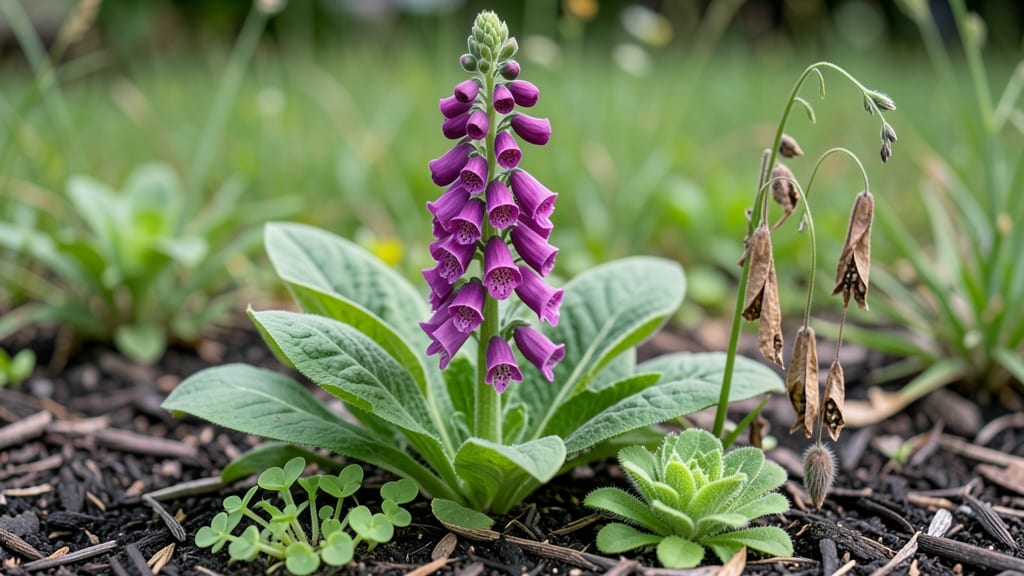
Foxgloves don’t bloom every year because they’re biennials, not perennials—though they’ll surprise you with second-year flowers if you play their game. 🌿 I’ve grown them for years, and the secret to repeat blooms lies in how you handle their first year and pruning after flowering.
Most gardeners give up after that first spectacular summer show, but with the right care, you’ll get flowers back the following year—and maybe even self-seeded volunteers popping up for years after.
The first year is all about building roots, not flowers. Plant them in partial shade with well-draining soil, and they’ll store energy underground. By their second spring, they’ll reward you with those iconic spires—if you’ve given them the right conditions.
Too much sun or drought stress, and they’ll bolt or skip flowering entirely. Pruning spent blooms in their second year encourages a second flush of flowers, though it’s rare but possible.
What you’ll end up with is a garden that keeps giving, even if it’s not every single year. Self-seeding means new plants appear naturally, so you’ll never run out of foxgloves—just be ready to thin them or move extras.
The key is winter care: protect the base from frost heave, and you’ll see those tall stalks returning season after season. It’s not a guarantee, but it’s worth the effort for those dramatic, bell-shaped blooms.
Foxgloves thrive in USDA zones 3-9, making them adaptable to most climates. In colder areas, their roots survive winter just fine, while warmer zones may need afternoon shade. The trade-off? They’re slower to establish but far more rewarding than annuals.
Once you understand their life cycle, you’ll see why gardeners fall in love with them—and why they keep coming back, even when they don’t bloom every single year.
📚 In This Guide
- What you need
- Instructions
- Tips and common mistakes
- Wrapping up and next steps
What you need
- ● Foxglove seeds: 1–2 packets (500–1,000 seeds per packet). Choose heirloom varieties like 'Pam’s Choice' or 'Giant Hybrid' for reliable blooms.
- ● Well-draining potting mix: 1–2 bags (10–20 lbs each). Opt for a blend with perlite or sand (e.g., 60% peat/coir, 30% compost, 10% perlite).
- ● Garden soil (for transplanting): Amend with 2–3 inches of compost or aged manure to improve fertility.
- ○ Containers (optional for seed-starting): 4–6 4-inch pots or a seed tray with drainage holes.
- ● Watering can or hose with a gentle spray nozzle: Foxgloves dislike soggy roots!
- ● Pruning shears: Sharp, clean bypass pruners (for deadheading and shaping).
- ● Gloves: Heavy-duty gardening gloves (foxglove leaves can irritate skin).
- ○ Stakes or supports (optional): 6–12 inch bamboo stakes or pebbles to prevent flopping in tall varieties.
- ○ Mulch (optional): 1–2 inches of straw or shredded bark to retain moisture and suppress weeds.
- ● Sunlight: Partial shade to full sun (6+ hours/day). Morning sun + afternoon shade works best in hot climates.
- ● Climate: Hardy in USDA zones 3–9. Start seeds indoors 8–10 weeks before your last frost date.
- ● Watering routine: Keep soil consistently moist but not waterlogged, especially during germination (first 2–3 weeks).
- ● Patience: Foxgloves are biennials—first-year plants focus on roots, with blooms appearing in their second year!
How to encourage annual foxglove blooms with smart pruning
Foxgloves aren't one-and-done plants—with the right care, they'll reward you with flowers for years. Here's how to coax annual blooms from these biennials.
🌱 Step 1: Understand Their Biennial Growth Cycle
Foxgloves follow a two-year bloom pattern: Year one builds roots and foliage, while Year two produces those iconic flower spikes. The key to annual blooms is creating a "rebloom" cycle by mimicking this natural pattern. I always plant foxgloves in partial shade with well-draining soil—they hate soggy roots and will sulk in full sun or heavy clay.
Watch for basal rosettes—those circular clusters of leaves at ground level. These are your plant's energy storage system. When you see them thicken in their second year, that's when the flower spike will emerge. If you're impatient, you can delay planting by a year to force immediate blooms, but most gardeners prefer the natural progression.
☀️ Step 2: Provide Ideal Light and Soil Conditions
Foxgloves thrive in morning sun with afternoon shade—think dappled woodland light. Too much direct afternoon sun scorches their delicate blooms, while too little light produces weak stems that flop over. I always plant mine near deciduous trees where they get 4-6 hours of morning sunlight and afternoon relief.
The soil should be moist but well-draining, with a pH between 6.0-7.0. Amend heavy clay with compost or leaf mold to improve drainage. A mulch layer of 2-3 inches helps retain moisture while preventing weeds. You'll know the soil is right when foxgloves develop bold, upright stems and deep green leaves—not yellow or wilted.
✂️ Step 3: Deadhead and Prune for Reblooming
Here's where the magic happens: After the first bloom cycle fades, deadhead spent flower spikes by cutting them back to the base. This redirects the plant's energy from seed production back into next year's growth. I use clean, sharp pruners to avoid damaging the stem, and always wear gloves—foxglove leaves contain toxic cardiac glycosides.
In late summer or early fall, cut back the entire flowering stalk to 6-8 inches above the ground. This mimics the plant's natural die-back and encourages new basal rosettes to form for next year's blooms. Don't worry if it looks dramatic—foxgloves are tough and will bounce back. You'll see fresh growth emerging from the base within 2-3 weeks.
🌿 Step 4: Fertilize and Water Strategically
Feed foxgloves in early spring with a balanced, slow-release fertilizer (10-10-10) to support root and foliage growth. Avoid high-nitrogen fertilizers—they encourage leafy growth at the expense of blooms. Water deeply once a week during dry spells, aiming for 1 inch of moisture per week. You'll know they're getting enough water when the soil feels moist 2 inches below the surface.
Reduce watering in late summer to encourage dormancy, which helps the plant prepare for next year's blooms. Overwatering at this stage leads to weak stems and fewer flowers. Foxgloves are surprisingly drought-tolerant once established—you'll see them wilt slightly during dry spells, then perk up after a good drink.
⏰ Step 5: Plan for Long-Term Blooms
For annual blooms, space plants 18-24 inches apart so they have room to grow without competing. Foxgloves self-seed readily, so you'll often get volunteer plants popping up nearby. Thin these to the strongest specimens to avoid overcrowding.
Every 3-4 years, divide mature clumps in early spring to rejuvenate the plants. Dig up the entire rosette, separate it into smaller sections with 3-4 stems each, and replant. This prevents the center from becoming woody and bare. You'll notice the new divisions produce more vigorous blooms in their second year.
Tips & tricks for encouraging annual foxglove blooms
Here's what nobody tells you about keeping foxgloves blooming year after year—these tricks have saved my garden from looking like a biennial disappointment.
Growth Cycle Insight: The secret to annual blooms lies in understanding foxgloves' natural two-year rhythm. In their first year, focus on establishing strong basal rosettes—the circular leaf clusters at ground level. These are your plant's energy reserves. When you see them thickening in their second year, that's when you'll get those iconic flower spikes. I've found that planting foxgloves in containers lets me control their growth cycle better, forcing blooms by moving them indoors during winter if needed.
Light and Soil Strategy: That 4-6 hours of morning sunlight is non-negotiable for healthy growth. I've learned the hard way that afternoon shade isn't optional—foxgloves will scorch in direct afternoon sun. For soil, the moist-but-well-draining requirement means you'll need to amend heavy clay with compost. I use a mix of 60% garden soil, 30% compost, and 10% perlite for perfect drainage. The 2-3 inch mulch layer is crucial too—it keeps moisture consistent while preventing weeds that compete with foxgloves for nutrients.
Pruning Precision: When you're deadheading spent flower spikes in Step 3, cut cleanly to the base to redirect energy. The late summer/early fall pruning to 6-8 inches above ground is where the magic happens—this mimics their natural die-back. I've seen new growth emerge within 2-3 weeks after this dramatic cut. Just remember: foxglove leaves are toxic, so always wear gloves during pruning. The plant's resilience will surprise you—it might look shocking after pruning, but it always bounces back stronger.
Fertilizer Timing: That early spring 10-10-10 fertilizer application is your plant's jumpstart. I've noticed foxgloves respond beautifully to a second, lighter feeding in mid-summer with a 5-10-10 ratio to support bloom development. The key is avoiding high-nitrogen fertilizers—they'll give you lush leaves but few flowers. And that 1 inch of weekly watering during dry spells? Check soil moisture 2 inches down—if it's dry, that's your watering cue.
Pro Tips for Do Foxgloves Bloom Every Year
- Here's what nobody tells you about keeping foxgloves blooming year after year—these tricks have saved my garden from looking like a biennial disappointment.
- Growth Cycle Insight: The secret to annual blooms lies in understanding foxgloves' natural two-year rhythm.
- Light and Soil Strategy: That 4-6 hours of morning sunlight is non-negotiable for healthy growth.
Frequently asked questions
Got questions about foxglove blooms? You’re not alone! Here are answers to the most common curiosities—from timing to troubleshooting—so you can keep your garden thriving.
Do foxgloves bloom every year, or just once?
Foxgloves are biennials, meaning they typically bloom once per year—usually in their second year—before dying back. However, with proper care (like deadheading and pruning), they can rebloom annually for years, acting like perennials in mild climates.
When do foxgloves bloom, and how long does it last?
Blooms appear in late spring to early summer (May–July in most regions), lasting 4–6 weeks per cycle. Reblooming may occur in fall if you prune spent spikes early. Check our pruning guide for best results!
Why did my foxglove die after blooming?
This is normal! After flowering, foxgloves go dormant (especially in colder zones). If they don’t return, they may have exhausted their energy. Try dividing clumps in early spring or sow seeds for fresh plants.
Can I force foxgloves to bloom yearly in cold climates?
Yes! In zones 3–6, mulch heavily in winter and prune back dead foliage in late fall. Choose hardy varieties like Digitalis grandiflora (great for reblooming). Overwatering or poor soil can stunt blooms—amend with compost for better results. →
What’s a good alternative if foxgloves don’t rebloom?
Try perennial alternatives like Penstemon, Delphinium, or Bee Balm—they bloom reliably yearly with minimal fuss. For height and drama, Hollyhocks (another biennial) or Foxglove lookalikes like Lobelia (annual) work too!
Pro Tip: How to encourage reblooming?
- Deadhead spent flower spikes before seeds form.
- Water deeply but avoid soggy soil.
- Fertilize lightly in spring with balanced 10-10-10.
- Provide partial shade in hot climates.
With these tweaks, your foxgloves could rebloom for decades!
Wrapping up and next steps
So, do foxgloves bloom every year?
While they’re biennials and may take a year or two to reach their full glory, they can reward you with stunning blooms annually—especially with the right care! 🌸 Pruning, deadheading, and nurturing their roots are your secret weapons for encouraging those iconic spikes to return year after year.
Ready to turn your garden into a foxglove paradise? Grab your pruners, get cozy with some compost, and give these beauties the love they deserve. Your next step? Plant a few this season and watch them thrive—you’ll be the talk of the neighborhood! 🌿