
Blooming
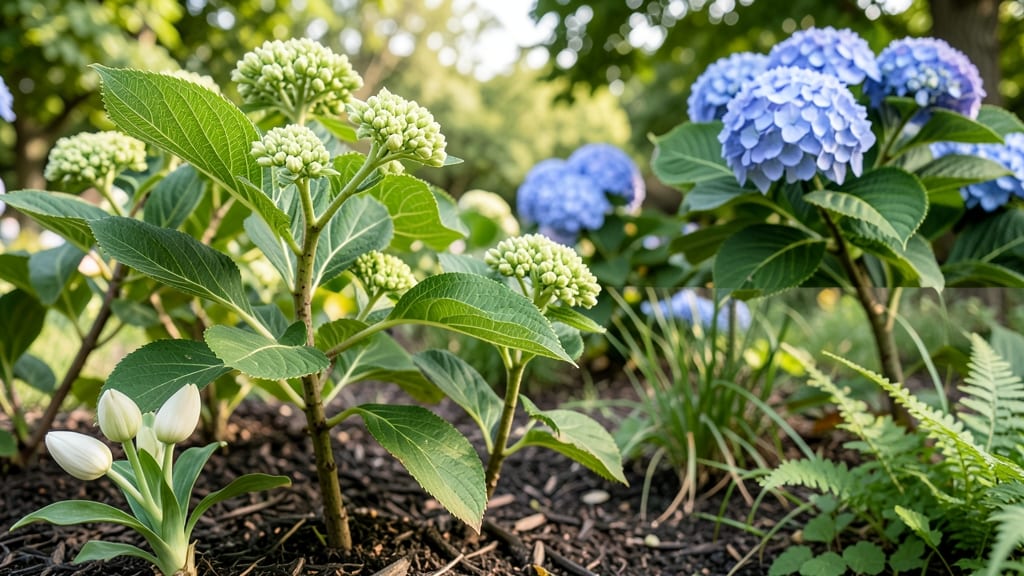
Hydrangeas only bloom once a year—unless you're growing the right varieties. 🌸 The truth is, some types like mopheads and bigleaf produce their showy blooms on last year's growth, while panicle and oakleaf hydrangeas bloom on new wood, giving you two chances each season.
The difference comes down to pruning timing and variety selection.
Most gardeners miss the reblooming potential because they prune at the wrong time. Cutting back mopheads in early spring removes next year's buds, while panicle types need aggressive pruning in late winter to encourage fresh blooms.
I learned this the hard way—my first oakleaf hydrangea bloomed only once because I pruned too late in the season.
With the right approach, you can stretch your hydrangea's blooming season from spring to fall. Start by identifying your variety, then time pruning cuts for either late winter (for rebloomers) or just after flowering (for once-a-year types).
The payoff? Clusters of fresh blooms appearing in late summer when other plants are fading.
Even once-a-year bloomers can be coaxed into a second flush with proper care. After the main blooms fade, trim back one-third of the oldest stems—this encourages new growth that may produce smaller but still stunning flowers.
It won't match the first flush, but it extends your garden's color show by 4-6 weeks.
📚 In This Guide
- What you need
- Instructions
- Tips and common mistakes
- Wrapping up and next steps
What you need
- ● Reblooming Hydrangea Plants: 1–3 Hydrangea macrophylla varieties (e.g., 'Endless Summer,' 'Nikko Blue,' or 'Bailmer')—choose disease-resistant types for best results.
- ○ Optional: 'Panicle' or 'Oakleaf' hydrangeas for extra diversity in bloom timing.
- ● Pruning Tools: 1 pair bypass pruners (sharp, clean, and sanitized with rubbing alcohol).
- ● 1 pair long-handled loppers (for thicker stems, 2–3 ft reach).
- ○ Optional: Hedge shears for shaping larger bushes.
- ● Fertilizers & Soil Amendments: 1 slow-release granular fertilizer (10-10-10 or 12-4-8 ratio, ~1 lb per plant).
- ● 1 bag organic compost or peat moss (5–10 gallons per plant).
- ● 1 acid-loving plant fertilizer (e.g., Miracle-Gro Azalea/Camellia, 1–2 applications per season).
- ● Mulch: 2–3 bags pine bark or wood chips (3–4 inches deep, covers base of plant).
- ● Sunlight: 4–6 hours of morning sun + afternoon shade (partial shade works too!).
- ● Soil pH: Test and adjust to 5.0–6.0 (use sulfur or vinegar to lower pH if needed).
- ● Watering System: Drip irrigation or soaker hose (hydrangeas need 1–2 inches of water weekly).
- ● Patience: Reblooming takes 1–2 years of proper care—stick with it! 💪
How to encourage hydrangeas to bloom multiple times a year
Here's how to transform your hydrangeas from one-season wonders into year-round bloomers.
🌿 Step 1: Choose the Right Reblooming Variety
Not all hydrangeas rebloom—only specific cultivars produce multiple flushes of flowers. Look for varieties like 'Endless Summer,' 'Annabelle,' or 'Nikko Blue' which are bred for repeat blooming. These types produce flowers on both old and new wood, unlike traditional varieties that only bloom on last year's growth.
When selecting plants, check the label or ask your nursery about bloom cycles. I've learned the hard way that planting a non-reblooming variety like 'Limelight' means waiting a full year for flowers again. Rebloomers reward patience with continuous color from early summer through fall.
☀️ Step 2: Provide Strategic Pruning After Each Bloom Cycle
The key to repeat blooming lies in precise pruning timing. After your hydrangeas finish their first major bloom in early summer, cut back about one-third of the oldest stems to the first set of strong leaves. This encourages new growth that will produce next season's flowers.
Here's the thing—don't prune in fall or winter. You'll remove next year's flower buds that form on old wood. I like to mark stems with colored tape after pruning so I remember which ones to leave untouched until next year. Always use clean, sharp pruners to avoid spreading disease.
💧 Step 3: Maintain Consistent Soil Moisture and pH
Reblooming hydrangeas demand consistent moisture—1-1.5 inches of water weekly during growing season. Let the top 2 inches of soil dry between waterings, but never let them completely dry out. I've found that soaker hoses work best as they deliver water directly to roots without wetting foliage.
Soil pH dramatically affects bloom color and frequency. For blue flowers, maintain pH 5.2-5.5 using aluminum sulfate. For pink blooms, keep pH 6.0-6.2 with lime. Test soil annually in early spring—rebloomers need stable conditions to produce continuous flowers.
✂️ Step 4: Feed with Balanced Fertilizer at Specific Times
Apply a balanced 10-10-10 fertilizer in early spring as new growth appears, then again after the first bloom cycle. This two-stage feeding supports both early season flowers and the new growth that produces fall blooms. I avoid high-nitrogen fertilizers—they encourage leafy growth at the expense of flowers.
In late summer, switch to a low-nitrogen, high-phosphorus formula (like 5-10-5) to promote flowering. Stop fertilizing completely by early fall to allow plants to harden off properly. Over-fertilizing at this stage leads to tender new growth that won't survive winter.
⏰ Step 5: Protect from Late Season Frost and Winter Damage
To extend the bloom season into late fall, protect your hydrangeas from early frosts. I've had success using frost blankets on nights when temperatures drop below 32°F. Remove the cover during the day to prevent overheating.
Winter care is equally important. Mulch heavily with 3-4 inches of organic mulch after the ground freezes to insulate roots. Reblooming varieties need this protection to survive and produce next year's flowers. I always remove old mulch in early spring before new growth appears to prevent rot.
Tips & tricks for year-round Hydrangea blooms
Real talk: Turning your hydrangeas into continuous bloomers takes more than just good intentions—it's about understanding their biology and giving them exactly what they need. Here's what nobody tells you about keeping those flowers coming.
Variety Selection is Non-Negotiable: The first mistake people make is assuming all hydrangeas rebloom. Traditional varieties like 'Limelight' only bloom on last year's wood, so they'll give you just one show per season. For repeat bloomers, you need cultivars like 'Endless Summer' that flower on both old and new wood. I've had gardeners swear by 'Annabelle' for its prolific white blooms—it's a game-changer for those who want low-maintenance color. Pro tip: Look for labels that specifically say "reblooming" or "remontant."
Pruning Precision Saves Your Blooms: The timing in Step 2 is critical—prune only after the first major bloom cycle in early summer, and only cut back one-third of the oldest stems. I learned this the hard way after accidentally pruning too aggressively in spring and losing my entire second bloom cycle. Mark stems with colored tape after pruning to visually distinguish which ones to leave untouched during winter. And for heaven's sake, never prune in fall or winter—you'll be removing next year's flower buds that form on old wood.
Soil Science is the Secret Weapon: Those 1-1.5 inches of water weekly aren't just arbitrary—they're about maintaining consistent moisture without waterlogging. The real magic happens with pH: blue flowers need acidic soil (pH 5.2-5.5), while pink blooms thrive in slightly alkaline conditions (pH 6.0-6.2). Test your soil annually in early spring and adjust with aluminum sulfate or lime as needed. I've seen dramatic color shifts just by making this one adjustment—it's like giving your plants a personality upgrade.
Frost Protection is Your Fall Insurance: When temperatures drop below 32°F, your late-season blooms are at risk. I've used frost blankets with remarkable success—just drape them over plants in the evening and remove them during the day to prevent overheating. For winter protection, that 3-4 inches of organic mulch isn't just decoration: it's insulation that keeps roots from freezing. Remove old mulch in early spring before new growth appears to prevent rot and give your plants a fresh start.
Pro Tips for Do Hydrangeas Only Bloom Once A Year
- Real talk: Turning your hydrangeas into continuous bloomers takes more than just good intentions—it's about understanding their biology and giving them exactly what they need.
- Variety Selection is Non-Negotiable: The first mistake people make is assuming all hydrangeas rebloom.
- Pruning Precision Saves Your Blooms: The timing in Step 2 is critical—prune only after the first major bloom cycle in early summer, and only cut back one-third of the oldest stems.
Frequently asked questions
about hydrangea blooming habits—because even the most beautiful flowers need a little extra care!Why do some hydrangeas bloom only once a year?
Most hydrangeas (like Hydrangea macrophylla) bloom on old wood—last year’s growth—which means they set buds in late summer/fall for a spring show. Pruning at the wrong time (e.g., late winter) can remove these buds, leaving you with no flowers until next year!
Can I get my hydrangeas to bloom twice a year?
Yes! Reblooming hydrangeas (like Endless Summer® varieties) produce flowers on both old and new wood. To encourage reblooming, prune lightly in early spring (after danger of frost) and deadhead spent blooms. Avoid heavy pruning in fall/winter to preserve old-wood buds.
When is the best time to prune hydrangeas for more blooms?
Timing is key! For once-blooming varieties, prune right after flowering (late summer/fall) to shape the plant. For rebloomers, prune in early spring (March–April) to avoid cutting off new buds. Never prune in fall or winter—this removes next year’s blooms!
Why did my hydrangeas stop blooming this year?
Common culprits include:
- Over-pruning: Cutting back too late or too aggressively removes flower buds.
- Poor nutrition: Lack of phosphorus (middle number in fertilizer) or improper pH (aim for 5.2–5.5 for blue blooms, 6.0+ for pink).
- Stress: Drought, extreme heat, or transplant shock can delay blooming.
- Age: Young plants may take 1–2 years to establish and bloom.
Are there hydrangea varieties that bloom year-round?
Not quite, but some reblooming types (like Hydrangea paniculata or Hydrangea arborescens ‘Annabelle’) produce new flowers on current growth, extending the blooming season from early summer to fall. For near-continuous color, plant a mix of early-, mid-, and late-season bloomers!
Pro Tip:
If your hydrangeas are struggling, feed them in early spring with a balanced fertilizer (10-10-10) and mulch to retain moisture. Deadhead spent blooms on rebloomers to encourage more flowers—and enjoy that wow factor all season!
Wrapping up and next steps
So, do hydrangeas only bloom once a year? Not necessarily!
While many varieties follow the classic one-bloom-per-season rule, reblooming hydrangeas can put on a stunning show twice—if you give them the right care. 🌸 With the right pruning, sunlight, and soil, you can enjoy lush blooms from spring through fall.
Ready to transform your garden? Start by identifying your hydrangea type and experimenting with seasonal pruning. A little effort now means a year-round parade of color—who wouldn’t want that? Happy gardening! 🌿