
Blooming
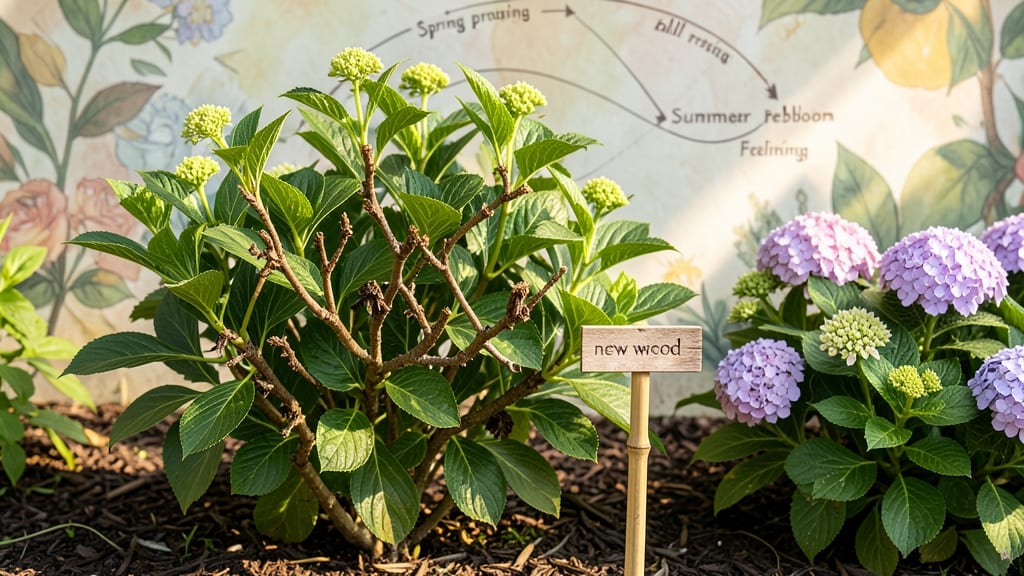
Some hydrangeas bloom more than once annually, particularly reblooming varieties like 'Endless Summer' that produce two distinct flower flushes per year, while traditional types bloom just once. The timing of pruning and seasonal care directly impacts whether you'll see that second bloom.
Hydrangeas actually fall into two distinct blooming categories: seasonal and reblooming. 🌸 The key difference lies in their growth habits—rebloomers like 'Limelight' or 'Nikko Blue' produce flowers on both old and new wood, while traditional types rely solely on last year's growth.
This means rebloomers can produce a second flush of blooms if you prune them correctly after their first bloom cycle ends, typically in late summer.
What's interesting is how climate plays a role too—cooler northern regions often see more reliable second blooms than hot southern climates, where summer heat can stress the plants.
To maximize those repeat blooms, timing is everything. I always recommend waiting until after the first flowers fade completely before pruning rebloomers, usually in late summer. For seasonal types, you'd prune in late winter or early spring to avoid cutting off next year's blooms.
The right fertilizer schedule—high in phosphorus during bloom season—also makes a huge difference in flower production.
💡 In This Article
- Reblooming Hydrangea Varieties and Their Blooming Cycles
- Pruning and Care Tips to Encourage Repeat Blooms
Reblooming hydrangea varieties and their blooming cycles
Hydrangeas actually bloom through two distinct biological mechanisms that explain why some varieties produce multiple flower flushes while others don't. Reblooming types like 'Endless Summer' or 'Annabelle' develop flowers on both old wood (last year's growth) and new wood (current season's growth), creating two blooming opportunities.
This dual-flowering ability stems from their genetic adaptation to produce flower buds at multiple growth stages. 🌿 The first flush typically appears on old wood in late spring, followed by a second flush on new wood in mid-to-late summer, provided the plant receives proper care.
Climate plays a crucial role in this process. Northern gardeners often enjoy more reliable second blooms because cooler temperatures help maintain plant vigor during summer's heat stress. In contrast, southern climates with hotter summers can cause rebloomers to struggle, sometimes producing only a single flush.
The ideal temperature range for second blooms is between 65-75°F during the growing season. What's fascinating is how hydrangeas respond to seasonal cues—day length and temperature shifts trigger bud formation, but extreme heat or drought can disrupt this natural process.
The three main hydrangea types behave differently: mophead varieties (like 'Endless Summer') are the most consistent rebloomers, lacecap types (such as 'Vanille Fraise') often produce limited second blooms, while panicle hydrangeas (like 'Little Lime') typically bloom just once.
This variation occurs because mopheads focus energy on both old and new wood, while lacecaps prioritize old wood blooms. Understanding these differences helps gardeners choose varieties that match their climate and blooming expectations.
What most people don't realize is how flower color changes can indicate blooming potential. Blue hydrangeas often signal acidic soil conditions that support vigorous growth, while pink blooms may indicate slightly alkaline soil.
These color shifts aren't just aesthetic—they reflect the plant's physiological state, which directly impacts its ability to produce subsequent blooms. 🌸 For example, blue 'Nikko Blue' may produce more reliable second blooms than pink 'Darling Pinky' in the same growing conditions.
Light exposure also affects reblooming success. Hydrangeas need at least 6 hours of sunlight daily to develop strong stems and flower buds. In partial shade (4-6 hours of sun), they may still bloom but with reduced vigor.
The trade-off is that too much intense afternoon sun can stress plants in hot climates, potentially reducing second bloom production. This is why many gardeners in Zone 7 and above use afternoon shade cloth during peak summer months to protect rebloomers.
One scientific detail that surprises many gardeners is how hydrangea flower buds actually form. The buds that will become next year's blooms begin developing in late summer on new wood—this is why late-season care matters so much.
If you prune too aggressively after the first bloom, you might remove these developing buds before they mature. The key is to wait until after the first flowers fade completely before making any cuts, typically between late August and early September.