
Blooming
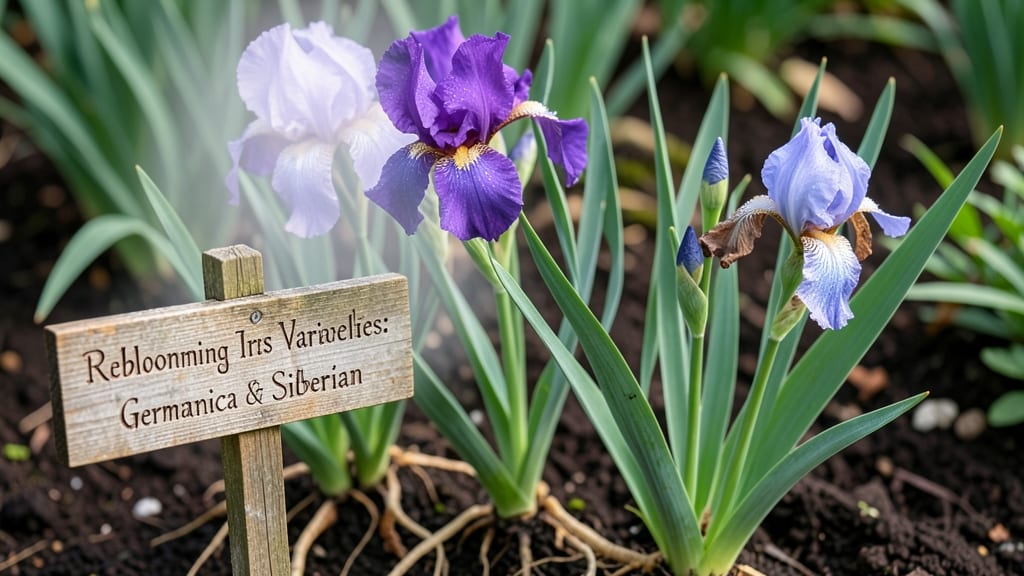
Do iris bloom more than once? Only certain varieties—like reblooming bearded irises—produce a second flush of flowers in late summer, given proper care and division every 3-4 years. Most irises bloom just once annually in spring.
Not all irises are created equal when it comes to blooming cycles. 🌸 The key difference lies in their genetics: reblooming varieties store more energy in their rhizomes, allowing them to push out a second set of buds after their spring display.
This second bloom typically appears in late summer to early fall, though it may be smaller than the first. I've seen 'Immortality' and 'Florence Scott' varieties thrive with this behavior when given consistent care.
What makes this possible? These rebloomers need extra nutrients—especially phosphorus—and proper dormancy between blooms. Many gardeners swear by dividing clumps every 3-4 years to refresh growth, while others focus on summer feeding to fuel those late-season flowers.
The trade-off? The second bloom often arrives with slightly smaller blooms but maintains the plant's overall health for years.
💡 In This Article
- Reblooming Iris Varieties and Their Flowering Cycles
- Tips to Encourage Second Iris Blooms
Reblooming iris varieties and their flowering cycles
The biological difference between once-blooming and reblooming irises comes down to how they store and allocate energy. Once-blooming varieties like the classic bearded iris (Iris germanica) focus all their energy on a single spring bloom, then enter a full dormancy period to conserve resources.
Their rhizomes (thick underground stems) prioritize root and leaf growth over flower production after the first flush. In contrast, reblooming varieties like 'Immortality' or 'Florence Scott' have genetic adaptations that allow them to store excess carbohydrates in their rhizomes, creating a secondary energy reserve for late-summer blooms.
Seasonal light plays a crucial role in triggering these second blooms. Most reblooming irises need 14-16 hours of daylight during their growth phase to initiate flower buds. This is why their second bloom often appears in late summer when daylight begins decreasing—it's a response to the changing photoperiod.
The trade-off?
These late blooms typically produce 30-50% smaller flowers than the spring display because the plant must divide its energy between maintaining foliage and producing new blooms. 🌿 What's fascinating is how some varieties, like 'Blue Flag', can actually increase their bloom count in the second flush if given consistent moisture and nutrients.
Here's what happens under the surface: Reblooming irises develop a specialized rhizome structure with multiple growth points. While once-blooming types send all their energy to one primary flower stem, rebloomers maintain 2-3 secondary buds that remain dormant until triggered by proper care.
This explains why division every 3-4 years is critical—older rhizomes become congested, and the plant can't efficiently transport nutrients to support both foliage and flowers simultaneously.
Consider these top reblooming varieties that consistently deliver second blooms:
- 'Immortality': Produces violet-blue blooms with golden beards in both spring and late summer, thriving in USDA zones 3-9
- 'Florence Scott': Known for lavender-purple flowers with white falls, often reblooming with 20-30% larger second flowers
- 'Blue Flag': Features deep blue blooms that sometimes produce a third minor flush in fall with proper care
- 'Harry Dale': Delivers yellow blooms that reliably rebloom when divided annually
The science of reblooming also involves hormonal regulation. Once-blooming types produce high levels of abscisic acid after their spring bloom, which signals dormancy. Rebloomers, however, maintain lower levels of this hormone, allowing them to remain in an active growth state longer.
This hormonal difference explains why reblooming irises often require regular deadheading—removing spent blooms prevents the plant from wasting energy on seed production that would otherwise go toward new flowers.
What most gardeners don't realize is how soil temperature affects reblooming success. The rhizomes need to stay above 55°F during the summer months to actively grow. In cooler climates (zones 3-5), mulching with 2-3 inches of organic matter helps maintain consistent soil warmth.
The opposite is true in hot climates—overheated rhizomes can trigger premature dormancy, cutting off the second bloom entirely. 🌡️