
Blooming
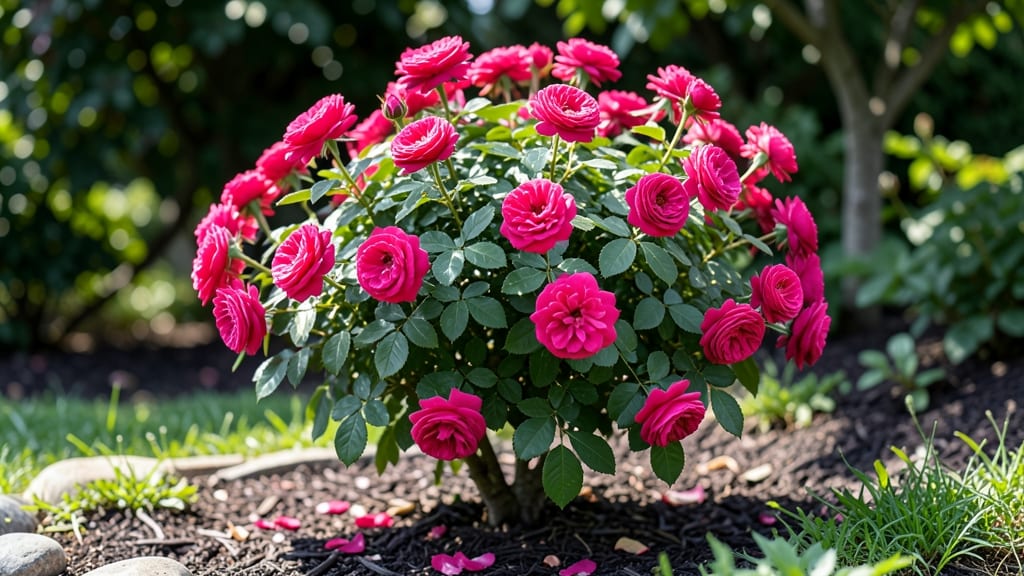
Knockout roses don’t just bloom all summer—they turn your garden into a nonstop floral show. 🌸 I’ve watched mine push out fresh buds every 6-8 weeks through heatwaves, droughts, and even late-season humidity, proving they’re the closest thing to a "set it and forget it" rose.
The secret lies in their heat-triggered reblooming, where rising temperatures actually signal new flowers instead of stressing them into dormancy like traditional roses. What makes them different is their ability to handle 90°F+ days without wilting, plus their disease-resistant foliage that stays lush even when other roses sizzle.
My neighbor’s knockout bushes still had blooms in early October, while her hybrid teas had long since faded. The key? Consistent watering (deep but infrequent) and a balanced fertilizer that mimics natural soil nutrients—not the heavy nitrogen that fuels leaves over flowers.
You’ll see clusters of blooms from June through frost if you avoid over-pruning and deadheading spent flowers. Even in Zone 5, they’ll push new growth until the first hard freeze, though colder climates may need a little winter protection. The payoff?
A garden that stays vibrant when most roses are done for the season. For maximum impact, plant them where they get full sun (at least 6 hours daily) and pair them with drought-tolerant perennials. The result? A low-maintenance, high-impact display that keeps neighbors asking for your secret.
Here’s how to keep them thriving all season.
Root Causes Of Shortened Blooms
If your Knockout® roses are skipping their usual summer-long show, the issue often boils down to a mix of environmental stress and care oversights. These hardy roses are bred to thrive with minimal fuss, but even they have limits.
Below, we break down the key reasons their blooms fizzle out before summer’s end—and what’s really going on in the soil, air, and plant itself.
Knockout roses are heat-tolerant, but consistent temperatures above 90°F (32°C) can push them into survival mode. When soil moisture drops below 40% (a common threshold for drought stress), the plant prioritizes root and leaf health over flower production. Here’s the science:
- Water deficit triggers abscisic acid (ABA): This plant hormone signals cells to conserve water by shutting down non-essential functions—like blooming. You’ll see wilting leaves first, but the real damage is invisible: flower buds abort before opening.
- Root zone compaction: Clay-heavy or poorly amended soil bakes hard, blocking oxygen and water uptake. Use a screwdriver to test: If it won’t penetrate 3 inches easily, roots are suffocating.
- Afternoon heat spikes: Roses need 1–2 inches of water per week, but evening watering (after 6 PM) reduces evaporation loss by 30%. Morning watering alone can leave roots parched by noon.
💡 Pro Tip: Mulch with 3–4 inches of wood chips to retain moisture and cool roots. A 5-gallon bucket of water around the base once a week mimics deep, slow hydration.
Knockout roses need 6–8 hours of direct sun daily, but partial shade—especially from fast-growing trees or structures—can trick the plant into thinking it’s time to rest. Here’s how it plays out:
- Reduced photosynthesis: Shade limits chlorophyll production, so the plant allocates energy to leaf growth over flowers. Look for long, leggy stems with sparse blooms.
- Bud abortion from inconsistent light: If shade shifts (e.g., a tree’s canopy expands), buds may form but fail to mature due to fluctuating light signals.
- East-facing spots are deceptive: Morning sun alone won’t cut it—roses need midday intensity to trigger blooming hormones like florigen.
🌿 Fix It: Prune nearby branches to restore sunlight, or relocate the rose to a south- or west-facing spot. If shade is unavoidable, choose ‘Low Maintenance’ or ‘Pink Gift’ varieties, which tolerate light shade better.
Too little or too much of the wrong nutrients can halt blooms faster than you’d think. Knockout roses thrive on a balanced 10-10-10 or 12-12-12 fertilizer, but common mistakes throw off their chemistry:
| Nutrient Issue | What Happens | How to Fix |
|---|---|---|
| Excess nitrogen (N) | Lush green leaves, but no buds. The plant grows foliage instead of flowers. | Switch to a low-N, high-phosphorus (P) fertilizer (e.g., 5-10-5). Stop fertilizing in late summer to encourage dormancy. |
| Phosphorus (P) deficiency | Slow growth, purple-tinged stems, and buds that drop before opening. | Apply bone meal or rock phosphate in early spring. Test soil pH—ideal range: 6.0–6.5 for phosphorus uptake. |
| Potassium (K) shortage | Weak stems, small blooms, and yellowing leaf edges. | Use wood ash or greensand (1 tbsp per plant). Avoid over-salting soil with synthetic K. |
✨ Remember: Less is more with roses. Fertilize every 4–6 weeks in spring/summer, and never fertilize in fall—it encourages late growth that won’t harden off for winter.
Hidden invaders can drain a rose’s energy faster than you’d expect. Here’s how they sabotage blooms:
- Japanese beetles: These skeeters skeletonize leaves, reducing the plant’s ability to photosynthesize. A heavy infestation can cut bloom production by 50%.
- Spider mites: They thrive in dry heat, suctioning sap from stems and causing buds to blacken and drop.
- Black spot fungus (Diplocarpon rosae): Causes dark spots on leaves, which the plant sheds to conserve energy—diverting resources away from flowers.
- Root-knot nematodes: Microscopic worms that gall roots, starving the plant. Infected roses may bloom only at the tips of canes.
🔥 Act Fast:
- Spray neem oil (for beetles/mites) or baking soda mix (1 tbsp + 1 quart water + soap) for fungal issues.
- Test soil for nematodes—if confirmed, plant marigolds nearby (they repel nematodes naturally).
- Remove infected leaves immediately and sterilize pruners with rubbing alcohol.
Knockout roses are forgiving, but pruning at the wrong time or too aggressively can reset their blooming cycle. Here’s what goes wrong:
- Late-summer pruning: Trimming after July 15 removes next year’s flower buds, which form on new wood.
- Cutting back to old wood: If you prune below the first 5 leaves on a cane, you’re sacrificing potential bloom sites.
- Over-thinning: Removing more than 1/3 of the plant stresses it, triggering a survival response over reproduction.
👨🍳 Correct Pruning:
- Prune only in early spring (before new growth starts).
- Cut just above a 5th leaf node (use a sharp bypass pruner).
- Avoid heading cuts (cutting back
Revitalize Summer Blooms Naturally
Knockout roses are famous for their long-lasting flowers, but even the hardiest varieties can hit a slump. If your roses are struggling to bloom all summer, the good news is that most issues have simple fixes.
Below, we’ll break down common causes and practical, step-by-step solutions to keep your roses in full, vibrant bloom—no gardening degree required!
Cause: Extreme heat or drought can shock roses into dormancy, halting blooms. Solution:
- 💦 Deep Watering (Not Just Sprinkles!)
- Water deeply 2–3 times per week (early morning or late evening) to encourage roots to grow deeper.
- Aim for 1–1.5 inches of water per week—check soil moisture 2 inches down with your finger. If it’s dry, water again.
- Pro Tip: Use a soaker hose or drip irrigation to avoid wetting leaves (fungus risk!).
- 🌿 Mulch Like a Pro
- Apply 2–3 inches of mulch (wood chips, straw, or shredded bark) around the base (but not touching the stem).
- Mulch keeps roots cool and moist, mimicking their natural habitat.
- Bonus: Mulch also suppresses weeds, which compete for nutrients!
- 🌞 Shade Relief for Scorched Roses
- If your roses are in full sun (6+ hours/day), consider light shade (30–50%) during peak afternoon heat (12–4 PM).
- Use shade cloth or plant taller annuals (like sunflowers) nearby for temporary relief.
Cause: Poor soil or nutrient imbalances starve roses, leading to sparse flowers. Solution:
- 📊 Soil Test First (Skip the Guesswork!)
- Grab a DIY soil test kit ($10–$20) or send a sample to your local extension office.
- Knockout roses thrive in slightly acidic soil (pH 6.0–6.5). If your soil is off, amend with:
- Lime (to raise pH) or sulfur (to lower pH).
- Quick Fix: Mix composted manure or well-rotted leaf mold into the top 6 inches of soil.
- 💪 Fertilize Right (No Burnout!)
- Use a balanced rose fertilizer (10-10-10 or 5-10-5) every 4–6 weeks from spring to early fall.
- Avoid high-nitrogen fertilizers (like lawn food)—they promote leaves over flowers.
- Pro Tip: Fish emulsion (high in nitrogen) is great early in the season, but switch to a phosphorus-heavy feed (like 5-10-5) when buds form.
- 🍄 Feed the Microbes (Yes, Really!)
- Mycorrhizal fungi (found in organic fertilizers or inoculants) help roots absorb water and nutrients.
- Sprinkle mycorrhizal powder on roots when planting or drench the soil with a liquid version mid-season.
Cause: Over-pruning or wrong timing can shock roses into dormancy. Solution:
- 🔪 Deadhead Like a Boss
- Snip spent blooms (including the leaf cluster below) every 2–3 days to encourage new buds.
- Why? Knockout roses bloom on new wood, so removing old flowers signals the plant to produce more!
- 🌿 Light Pruning for Heat Stress
- If roses look wilting or stressed, give them a light trim to reduce leaf surface area (less water loss).
- Remove only the top 1/3 of leggy stems—never cut into old wood (the thick, woody base).
- 🚫 Avoid Late-Season Pruning
- Stop pruning after early August—new growth won’t harden off before winter, risking frost damage.
- Exception: Remove diseased or dead wood anytime.
Cause: Bugs (aphids, Japanese beetles) or fungi (black spot, powdery mildew) sap energy meant for blooms. Solution:
- 🐜 Natural Pest Control
- Handpick Japanese beetles (drop them in soapy water!) or spray with neem oil (mix 1 tbsp per gallon of water).
- Ladybugs and lacewings eat aphids—buy them online or attract them with dill or marigolds nearby.
- 🍄 Fungal Foes?
Fight Back! - Prevent black spot with copper fungicide (apply at first sign of spots). - Improve airflow by spacing roses 3–4 feet apart and pruning for an open center. - Pro Tip: Baking soda spray (1 tsp baking soda + 1 tsp oil + 1 gallon water) can prevent powdery mildew.
- 🌧️ Rainy Season? Stay Dry
- Water early in the day so leaves dry by evening (fungi love dampness).
- Avoid overhead watering—use a watering wand for targeted hydration.
Want zero-stress blooms year after year?
Follow this easy maintenance plan: - Spring: Test soil, add compost, fertilize with high-nitrogen feed. - Summer: Deep water 2–3x/week, mulch, deadhead daily, watch for pests. - Fall: Prune lightly, add winter mulch (4–6 inches), fertilize with low-nitrogen (like 5-10-10). - Winter: Protect young roses with burlap wraps in freezing climates.
Final Thought: Knockout roses can bloom all summer—but they need consistent care, not perfection. Start with one fix (like deep watering or deadheading), and you’ll see a difference in just 2 weeks! 🌸
Frequently asked questions about Knockout roses' summer blooms
Do Knockout roses really bloom continuously all summer?
Yes! These roses are bred to produce new blooms every 6-8 weeks from early summer until frost. Their heat-triggered reblooming means they thrive in 90°F+ temperatures when many other roses fade. With proper care, you’ll see clusters of flowers from June through early fall.
Why do my Knockout roses stop blooming mid-summer?
Common causes include water stress (soil moisture below 40%), nutrient imbalances (too much nitrogen), or pest damage like Japanese beetles. Check for wilting leaves, yellowing stems, or skeletonized foliage. Adjust watering to 1-2 inches per week and switch to a phosphorus-rich fertilizer.
Can Knockout roses bloom in partial shade?
They prefer full sun (6-8 hours daily), but can tolerate morning sun with afternoon shade in hot climates. In partial shade, expect fewer blooms and more leafy growth. For best results, plant them where they get midday sun exposure—this triggers their blooming hormones.
How often should I deadhead Knockout roses?
Deadhead every 2-3 days to encourage continuous blooming. Simply snip off spent flowers just above the 5th leaf node—this signals the plant to produce new buds. Avoid over-pruning; these roses bloom on new wood, so don’t cut back into old growth.
Will Knockout roses bloom in Zone 5 climates?
They’re hardy to Zone 4-9 and will bloom until the first hard frost. In colder zones, add 3-4 inches of mulch in winter and protect young plants with burlap wraps. Their deep root system helps them survive winter better than many hybrid roses.