
Blooming
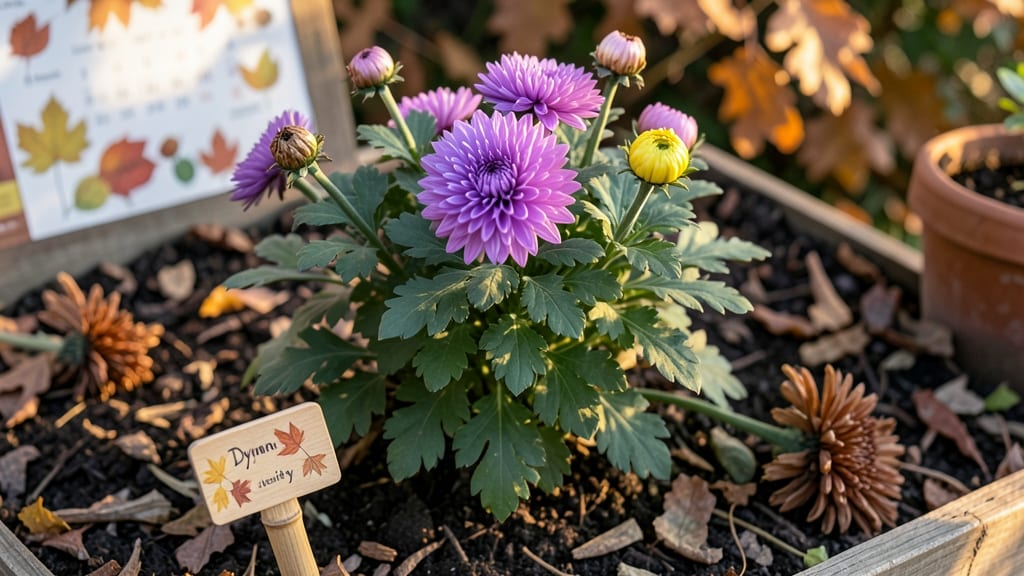
Yes, mums (chrysanthemums) can bloom more than once with the right care, including consistent light exposure, balanced fertilization, and regular deadheading of spent blooms. Reblooming varieties specifically thrive with 12–14 hours of sunlight daily and cooler autumn nights, though some may require a dormancy period to trigger new flower cycles.
Mums aren't one-and-done flowers—many varieties are bred specifically to rebloom if you give them the right conditions. 🌸 The key is understanding their natural rhythm: most mums need 6–8 weeks of cooler temperatures (below 75°F) after their first flush of blooms to reset their growth cycle.
This is why late summer and early fall are prime times for reblooming, as the shorter days and crisp air signal the plant to produce new buds.
I’ve seen gardeners extend this cycle indoors using grow lights during winter months, though it requires careful monitoring of light exposure to avoid leggy growth.
Reblooming success also depends on proper deadheading—removing faded blooms promptly encourages the plant to redirect energy into new flowers rather than seed production. A high-phosphorus fertilizer (look for a 5-10-5 ratio) every 4–6 weeks during the growing season provides the nutrients needed for abundant blooms.
The trade-off? Some varieties, like the classic fall-blooming types, may not rebloom as vigorously as their hybrid counterparts, which is why choosing the right mum variety matters just as much as the care routine.
💡 In This Article
- How Light and Temperature Control Mum Reblooming Cycles
- Step-by-Step Guide to Encouraging Multiple Mum Blooms
How light and temperature control mum reblooming cycles
The secret to multiple blooms lies in photoperiodism—a plant's response to daylight length. Chrysanthemums are short-day plants, meaning they bloom when daylight drops below 12–14 hours.
In nature, this happens naturally in late summer when days shorten. 🌅 For reblooming, you can mimic this by providing 6–8 hours of darkness daily starting 8–10 weeks before desired blooming time. This triggers the plant’s internal clock to produce flower buds.
Without this darkness signal, mums may produce only one flush of blooms or grow leggy stems.
Temperature plays an equally critical role. Cool nights (55–65°F) combined with warm days (70–75°F) create ideal conditions for bud formation.
The contrast between day and night temperatures helps the plant store energy efficiently. 🌡️ Some reblooming varieties, like 'Bonanza' or 'Bright Lights,' are bred to tolerate a wider temperature range, while traditional fall mums may struggle outside this window.
If your region experiences prolonged heatwaves above 85°F, reblooming becomes nearly impossible without shade or indoor adjustments.
Seasonal dormancy is another key factor for repeat blooming. Many mums need a 4–6 week rest period in cooler temperatures (40–50°F) after their first bloom cycle to reset their growth hormones. 🌱 This mimics winter conditions and prevents exhaustion.
Skipping dormancy can lead to weak stems and fewer flowers. For indoor mums, you can simulate this by moving plants to a cooler room (50–55°F) with reduced light for 6–8 weeks
Reblooming varieties differ from seasonal types in their genetic makeup. Hybrid mums like 'Dynasity' or 'Mega' are engineered to produce multiple flushes of blooms with proper care, while heirloom varieties may bloom just once per season. 🌼 The difference lies in their ability to respond to artificial light cycles and fertilization adjustments. For example, a 16-hour photoperiod (using grow lights) can delay dormancy in indoor mums, allowing them to bloom in late fall or even winter with consistent care. One common misconception is that all mums rebloom equally. In reality, reblooming varieties require 20–30% more phosphorus in their fertilizer to support the energy demands of multiple bloom cycles. Without adequate nutrients, the plant may produce fewer flowers or smaller blooms. 💡 The trade-off? These hybrid varieties often have shorter vase life for cut flowers but make up for it with prolonged display in gardens. For gardeners in warm climates, choosing heat-tolerant reblooming types like 'Pacifica' can extend the blooming season by 6–8 weeks compared to traditional varieties.