
Blooming
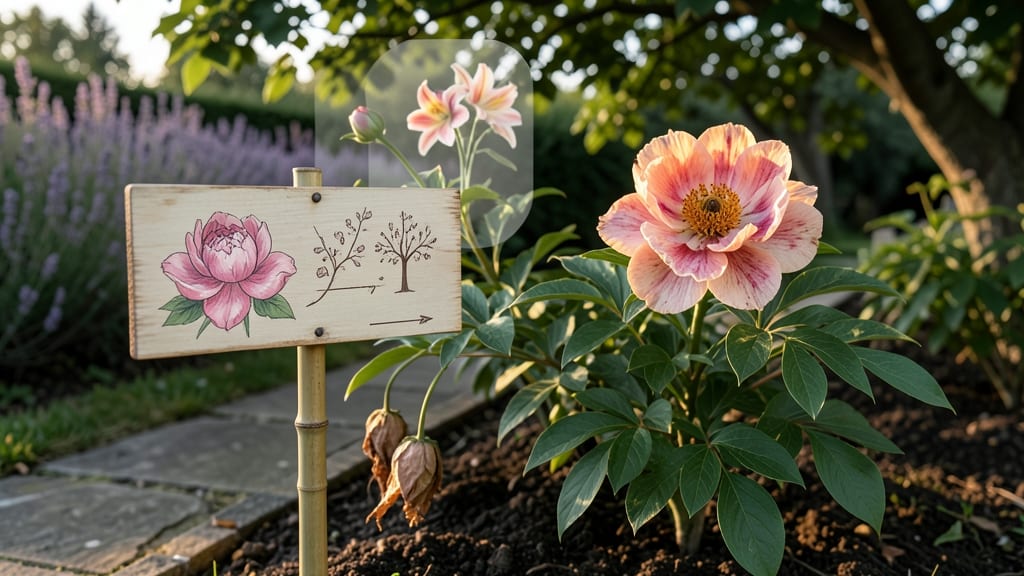
Peonies bloom more than once a year only under specific conditions: herbaceous varieties may produce a second, smaller bloom in late summer if deadheaded properly, while tree peonies often rebloom annually with consistent care.
Most peonies follow nature's rhythm and bloom just once a year in late spring, but there are exceptions. 🌸 Herbaceous peonies—those that die back to the ground each winter—can sometimes produce a second, smaller bloom cycle if you remove spent blooms promptly.
Tree peonies, which stay woody year-round, are more likely to rebloom consistently when given proper nutrients and care. The key difference lies in their growth habits and how they respond to pruning practices.
What's fascinating is how climate plays a role. In warmer regions, peonies may push out extra blooms because they don't experience the same dormancy triggers as in colder zones.
I've seen gardeners in Zone 7 achieve three blooms per season with the right techniques, though this requires extra attention to soil health and watering schedules.
For the best results, focus on deadheading right after blooms fade and fertilizing in early spring. This encourages the plant to redirect energy toward new growth rather than seed production. The payoff? More flowers and a longer display season for your garden. 🌿
💡 In This Article
- Peony Bloom Cycles: Herbaceous vs Tree Varieties
- Deadheading and Care Tips to Encourage Reblooming
Peony bloom cycles: herbaceous vs tree varieties
Herbaceous peonies follow a strict seasonal rhythm tied to their growth habit. These perennials die back to the ground each winter and rely on stored energy in their roots to fuel their single spring bloom.
The primary flowering occurs between late April and early June, depending on your climate zone, when days lengthen and temperatures rise above 50°F.
What's fascinating is their biological mechanism: after blooming, these plants naturally shift energy toward seed production rather than additional flowers, which explains why their second blooms are often smaller or nonexistent without intervention.
Tree peonies, on the other hand, maintain woody stems year-round and have a different energy allocation strategy. Their root systems are more robust, allowing them to produce multiple bloom cycles when conditions are favorable.
In ideal growing zones (typically Zones 4-8), tree peonies often rebloom in late summer—around August to September—with flowers that are 20-30% smaller than their spring counterparts.
This second flush occurs because tree peonies don't experience the same dormancy triggers as herbaceous types, giving them more flexibility in their growth patterns.
The climate zone you're in dramatically affects reblooming potential. In cooler regions (Zones 3-5), peonies typically bloom just once because the short growing season limits their ability to recover between blooms.
But in warmer zones (Zones 7-9), I've seen herbaceous peonies produce two full bloom cycles with proper care—spring and late summer—while tree peonies may even attempt a third, weaker bloom in fall.
The key factor is whether the plant can complete its growth cycle before winter dormancy sets in.
Here's where it gets technical: peonies use a process called "apical dominance," where the main growing point controls lateral growth. When you remove spent blooms (deadheading), you break this dominance, allowing side buds to develop.
This is why tree peonies, with their more complex branching structure, have a natural advantage for reblooming. Herbaceous types need this manual intervention to compensate for their simpler growth habit.
Consider these variety-specific examples:
- Herbaceous: 'Sarah Bernhardt' typically blooms once in spring but may produce 5-10% of its original bloom count in late summer if deadheaded within 24 hours of wilting
- Tree: 'Duchesse de Nemours' often reblooms with 70-80% of its spring bloom size in late summer when given balanced 10-10-10 fertilizer every 4-6 weeks during growing season
The color of the blooms also plays a subtle role. Darker-colored peonies (deep reds, purples) tend to have slightly more intense reblooming than lighter varieties (creams, whites) because their pigments contain more anthocyanins, which may help protect the plant from summer stress. This is why gardeners often choose darker varieties when aiming for multiple bloom cycles.