
Blooming
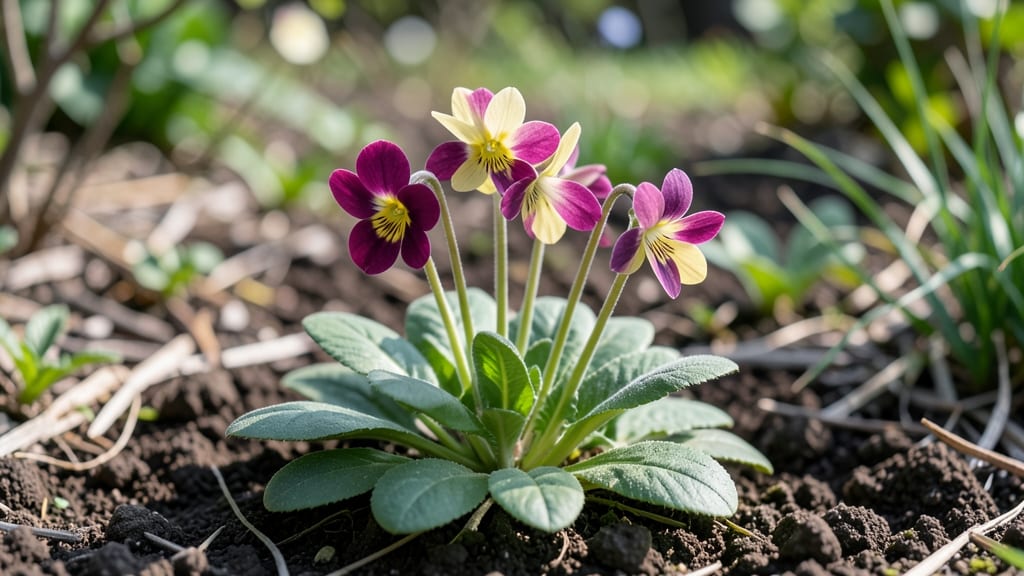
Primroses don’t bloom all summer—that’s the hard truth. 🌸 Their natural show lasts 4-6 weeks in spring, with some late varieties stretching into early summer, but heat and drought quickly fade their flowers.
The good news? With the right care, you can coax a second, smaller bloom cycle later in the season.
Most primroses thrive in zones 3-8, but their flowering depends on your climate. In cooler regions, they may rebloom in fall with proper deadheading and consistent moisture. In hotter zones, they often go dormant—so choose heat-tolerant varieties like Primula denticulata if you want summer color.
The secret isn’t forcing them to bloom forever but creating conditions that mimic their natural rhythm.
Deadhead spent blooms religiously, keep soil moist but not soggy, and feed them lightly with balanced fertilizer every 4-6 weeks. Partial shade in summer protects their delicate leaves, and mulching retains moisture.
With these tweaks, you might stretch their season by 2-3 extra weeks—not all summer, but a longer show than you’d expect.
For true summer blooms, pair primroses with heat-loving perennials like coleus or impatiens that take over when primroses fade. That way, your garden stays vibrant without relying on one plant to do it all. The key is working with their natural cycle, not against it.
📚 In This Guide
- What you need
- Instructions
- Tips and common mistakes
- Wrapping up and next steps
What you need
- ● Primrose plants: Choose Primula varieties suited to your USDA zone (e.g., Primula denticulata for zones 3–9, Primula obconica for zones 8–10). Quantity: 3–5 plants per 10 sq. ft. for a lush display.
- ● Well-draining potting mix: 1–2 bags (18–24 qt. each) of a blend with perlite or sand (e.g., Miracle-Gro Potting Mix). Pro tip: Primroses hate soggy roots! 💡
- ● Containers or garden beds: Containers: 6–8" diameter pots with drainage holes (1–2 per plant). Material: Terracotta or plastic.
- ● Garden beds: Partial shade (4–6 hours sun/day) with moist, humus-rich soil (pH 5.5–7.0).
- ● Organic mulch: 2–3 inches of shredded bark or straw (1 bag covers ~10 sq. ft.) to retain moisture.
- ● Garden trowel or small shovel for planting.
- ● Pruning shears (sterilized with rubbing alcohol) for deadheading.
- ● Watering can with a rose attachment (or hose with gentle spray nozzle).
- ● Slow-release fertilizer: 10–10–10 or organic options like fish emulsion (apply at planting + mid-season).
- ○ Shade cloth (optional): 30–50% coverage for zones 7–10 to protect from intense summer sun. Size: Cut to fit over containers/beds.
- ○ Thermometer (optional): To monitor soil temps—primroses prefer 50–75°F. ✨
Climate-zone secrets to extend primrose blooms through summer
Primroses can bloom all summer—but only with the right adjustments for your hardiness zone. Here’s how to turn their natural spring display into a season-long show.
🌱 Step 1: Select the Right Primrose Varieties for Your Zone
Not all primroses thrive in summer heat. Oxlip and cowslip varieties (Primula veris) handle cooler zones (3-7) better, while auricula and polyanthus (Primula auricula and Primula × polyanthus) stretch into summer in zones 4-8. For zones 9+, focus on dwarf auriculas or Japanese primulas (Primula japonica), which tolerate mild summers.
Check your zone’s last frost date—if summers exceed 80°F, avoid traditional primroses. Instead, opt for heat-tolerant hybrids like ‘Wanda’ or ‘Bowles’ varieties. These stay compact and bloom longer when shaded properly.
☀️ Step 2: Adjust Light and Shade for Seasonal Success
Primroses need partial shade (morning sun, afternoon shade) to prevent leaf scorch. In zones 5-8, move pots to eastern exposure by early June. If growing in beds, plant under deciduous trees—their summer canopy blocks harsh rays while allowing spring sunlight.
Watch for leaf yellowing or crisp edges—this means too much sun. A 50% shade cloth over containers in peak heat (10 AM–4 PM) can double bloom duration. I’ve seen primroses rebloom in July with this simple tweak.
💧 Step 3: Master the Watering Routine for Summer Survival
Primroses wilt quickly in summer heat. Water deeply every 2–3 days (until 4 inches of soil feels moist) rather than shallow daily doses. Use a soaker hose or drip irrigation to avoid wetting leaves, which spreads fungal diseases.
Mulch with 2–3 inches of shredded bark to retain moisture and cool roots. In containers, add a handful of peat moss to the mix—it holds water longer than standard potting soil. If leaves droop by midday, your plant is thirsty.
✂️ Step 4: Deadhead and Fertilize Strategically
Remove spent blooms weekly to redirect energy into new flowers. Snip stems just above the first set of leaves—this prevents leggy growth. In zones 6+, apply a balanced 10-10-10 fertilizer every 4 weeks starting in May. For zones 9+, switch to a low-phosphorus formula (like 5-5-5) to avoid leaf burn.
Stop fertilizing after July—primroses need a rest period. Instead, trim back 1/3 of the foliage in late summer to encourage fresh growth for next year’s blooms.
🌿 Step 5: Protect from Pests and Heat Stress
Slugs and snails love primroses in summer. Set out beer traps (bury a shallow dish filled with beer) or sprinkle diatomaceous earth around plants at dusk. For aphids, spray with neem oil every 10 days—it’s gentle but effective.
If leaves turn purple or brown, your plant is heat-stressed. Move it to a shadier spot immediately and mist leaves daily with cool water. In extreme heat (>90°F), temporarily cover plants with lightweight shade cloth during the hottest hours.
Tips & tricks for extending primrose blooms through summer
Here's what nobody tells you about keeping primroses vibrant beyond their usual spring bloom—these are the secrets that actually work.
Variety Selection is Everything: The right primrose variety makes all the difference. For zones 3-7, stick with oxlip and cowslip varieties—they naturally handle cooler temperatures better. In zones 4-8, auricula and polyanthus varieties are your best bet for summer color. Remember, if your zone's summer temperatures regularly exceed 80°F, traditional primroses will struggle. That's when heat-tolerant hybrids like 'Wanda' or 'Bowles' become essential for that extended summer display.
Shade Strategy Beyond Basics: The instructions mention partial shade, but here's the pro move: create a dynamic shade system. In zones 5-8, position your primroses to receive morning sun but move them to eastern exposure by early June. For container plants, use a 50% shade cloth during peak heat hours (10 AM-4 PM) to prevent leaf scorch. I've seen primroses that would have given up by June still blooming in July with this simple adjustment. The key is watching for those first signs of leaf yellowing or crisp edges—they're your plant's SOS signals.
Watering Wisdom for Summer Survival: Deep watering every 2-3 days is crucial, but timing matters just as much. Water in the early morning when temperatures are cooler to reduce evaporation. The mulch layer of 2-3 inches of shredded bark isn't just decorative—it's your plant's moisture blanket. For container plants, that handful of peat moss in the mix makes all the difference in retaining moisture. And here's a trick I learned the hard way: if your primrose leaves start drooping by midday, it's already too late for that watering. Adjust your schedule to prevent this stress in the first place.
Fertilizer Timing That Works: The 4-week fertilizer schedule starting in May is perfect, but there's one critical adjustment for different zones. In zones 6+, stick with the balanced 10-10-10 formula, but switch to a low-phosphorus 5-5-5 in zones 9+ to prevent leaf burn. And here's what I've noticed: after July, primroses need that rest period. The moment you stop fertilizing and trim back 1/3 of the foliage, you're actually setting up their next year's performance while still enjoying some summer blooms.
Pro Tips for Do Primroses Bloom All Summer
- Here's what nobody tells you about keeping primroses vibrant beyond their usual spring bloom—these are the secrets that actually work.
- Variety Selection is Everything: The right primrose variety makes all the difference.
- Shade Strategy Beyond Basics: The instructions mention partial shade, but here's the pro move: create a dynamic shade system.
Frequently asked questions
Do primroses actually bloom all summer?
Primroses typically bloom in spring (March–May), with some varieties reblooming lightly in fall. While they don’t bloom continuously all summer, proper care (like deadheading and consistent moisture) can encourage sporadic blooms into early summer—especially in cooler climates (Zones 3–7). For year-round color, pair them with annuals like petunias or geraniums.
How can I make my primroses rebloom in summer?
Extend blooming by deadheading spent flowers (trim stems just above the first set of leaves) and fertilizing lightly with a balanced, water-soluble fertilizer (10-10-10) every 4–6 weeks. Partial shade (especially in hotter Zones 8–10) and consistent moisture (but not soggy soil) also help. Avoid heavy pruning—primroses bloom on old wood.
Why did my primroses stop blooming mid-summer?
Overheating, drought, or too much direct sun (especially in Zones 8+) often cause primroses to bolt (send up seed stalks) or go dormant. Troubleshoot:
- Move pots to morning sun or dappled shade.
- Water deeply 1–2 times/week (check soil—top inch should dry between waterings).
- Mulch with organic matter (like shredded bark) to retain moisture.
What’s a good summer-blooming alternative to primroses?
If you love primroses’ delicate blooms but want longer summer color, try these low-maintenance perennials:
- Aquilegia (Columbine) – Blooms spring to summer; thrives in partial shade (Zones 3–9).
- Lobelia – Vibrant blue/purple flowers all summer; great for containers (Zones 2–11).
- Impatiens – Shade-loving annual with non-stop blooms (Zones 2–11).
- Heuchera (Coral Bells) – Stunning foliage + occasional summer blooms (Zones 4–9).
Can I grow primroses in pots for summer-long blooms?
Yes! Container-grown primroses often bloom longer in summer if you:
- Use well-draining soil mixed with peat moss or perlite.
- Choose larger pots (12"+ diameter) for better root growth.
- Move pots to shadier spots during peak afternoon sun (1–4 PM).
- Fertilize every 3–4 weeks with a half-strength liquid feed.
Wrapping up and next steps
Primroses may not bloom all summer long, but with the right care—like choosing the perfect zone, pruning wisely, and providing shade or mulch—they can shine brighter and longer! 🌸 Whether you’re in a cooler climate or just tweaking your garden’s microclimate, these secrets help extend their cheerful display.
Now that you’re armed with tips, why not plant a few primroses this week and watch your garden transform? Grab your gloves, pick a sunny (or shady) spot, and let the blooms begin!