
Blooming
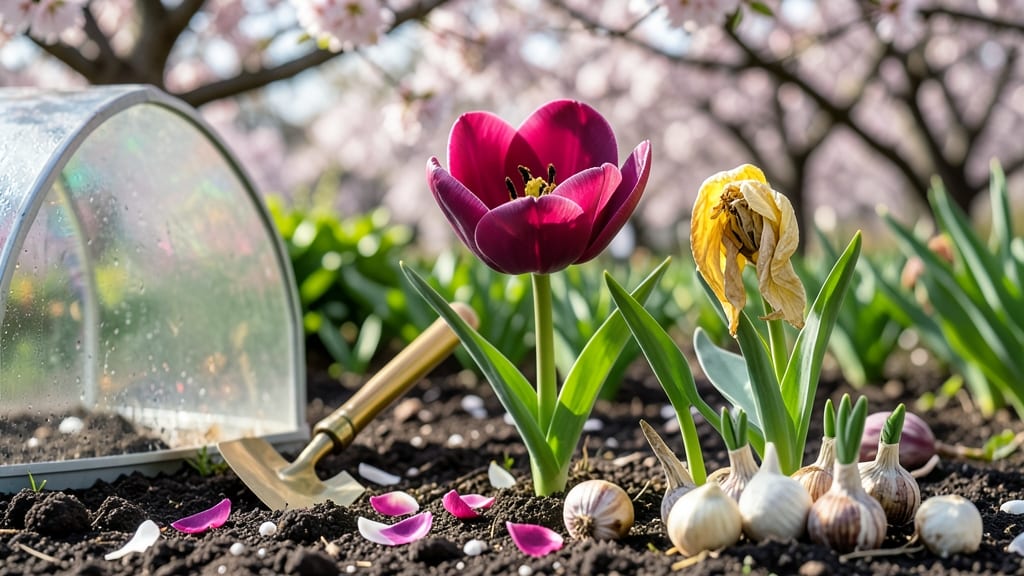
Tulips do bloom only once per season naturally, as their growth cycle is programmed to produce a single flush of flowers before entering dormancy. However, with consistent care—such as removing spent blooms and providing proper nutrition—they can reliably rebloom in following years.
This single-bloom behavior happens because tulip bulbs store energy for just one flowering cycle each year. 🌷 Once they've used that energy to produce flowers, they focus on rebuilding reserves for next season. The good news?
By practicing deadheading (removing faded blooms) and feeding them with balanced fertilizer after flowering, you can encourage stronger bulbs that'll return with fresh blooms the following spring. Many gardeners report seeing second blooms if they maintain these habits consistently.
What's fascinating is how light exposure plays a role—tulips need 12-14 hours of daylight to trigger their flowering mechanism. In regions with shorter days, they might skip blooming entirely, which is why timing your planting matters so much.
I've found that planting in fall (6-8 weeks before first frost) gives bulbs enough time to establish roots before winter dormancy, setting them up for better performance the following year.
💡 In This Article
- Why Tulips Follow a One-Time Blooming Pattern
- How to Encourage Tulips to Rebloom Year After Year
Why tulips follow a one-time blooming pattern
The single-bloom rule in tulips stems from their unique energy allocation system. When tulip bulbs emerge in spring, they prioritize producing flowers using stored carbohydrates from the previous growing season. This process depletes about 60-70% of their energy reserves in just 2-3 weeks of active blooming.
The remaining energy goes toward developing new bulb layers for next year's growth, but there's simply no surplus left for a second flowering cycle in the same season.
Photoperiodism—how plants respond to daylight length—plays a critical role here. Tulips are long-day plants, meaning they need 12-14 hours of daylight to trigger their flowering mechanism. In regions with shorter summer days, tulips may skip blooming entirely or produce weaker flowers.
The bulbs measure daylight through a protein called phytochrome, which acts like a biological clock. When days shorten in late summer, the bulbs interpret this as a signal to prepare for dormancy rather than another flowering cycle.
Temperature also influences this pattern. Tulips require chilling periods (4-6 weeks below 45°F) during winter to break dormancy. Without proper chilling, bulbs won't initiate flowering at all.
This chilling requirement explains why tulips planted in warm climates often fail to bloom reliably—they miss the critical dormancy phase that resets their energy cycle. The combination of energy depletion, photoperiod sensitivity, and temperature requirements creates a perfect storm for the single-bloom phenomenon.
What makes this even more interesting is how tulip bulbs physically change after flowering. The outer bulb layers—called tunics—often dry out and become papery after blooming. This is nature's way of conserving moisture while the bulb rebuilds its reserves.
The new bulb layers form at the base, which is why gardeners emphasize leaving foliage intact until it yellows completely—this ensures maximum photosynthesis for the developing bulb.
Consider this comparison: A tulip bulb is like a battery that gets fully drained after one use. Without proper recharging (through deadheading and fertilization), it won't have enough power for another cycle.
The bulbs of perennial tulips (like Darwin Hybrids) are more resilient than species tulips, which is why they're more likely to rebloom with consistent care. This resilience comes from their ability to store more carbohydrates in the basal plate—the bulb's "energy hub."
Here's what happens at the cellular level: When tulips flower, their meristem cells (growth centers) differentiate into either floral buds or new bulb layers. Once committed to flowering, these cells can't revert—they've made their energy choice for the season.
This irreversible differentiation is what locks tulips into their single-bloom pattern. 🌱