
Blooming
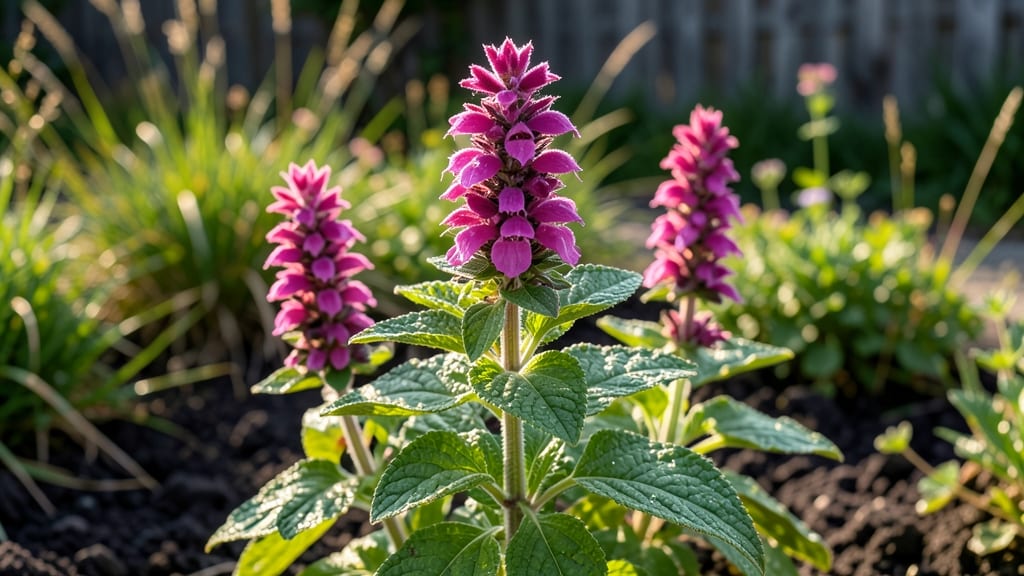
Yes, bee balm typically blooms the first year when planted from nursery starts, though seeds may take longer to flower. Varieties like 'Jacob Cline' and 'Marshmallow' often produce flowers within 60-90 days of planting, while seed-grown plants may bloom in the second year.
Most gardeners see their first bee balm blooms within 60-90 days of planting nursery-grown starts because these plants already have established root systems. 🌸 The key difference comes with seeds: they need time to develop strong roots before flowering, which often delays blooms until the following year.
I've found that choosing disease-resistant varieties like 'Marshmallow' or 'Zest' gives you the best chance of first-year flowers, especially in cooler climates where growth may be slower.
For fastest results, plant in full sun with well-draining soil and keep the area consistently moist. Varieties with shorter stems tend to bloom earlier, while taller types may take a bit longer to reach their full flowering potential.
The good news is that once established, bee balm will reliably produce vibrant blooms year after year with minimal care.
💡 In This Article
- Factors Influencing First-Year Bee Balm Blooms
- Best Early-Blooming Bee Balm Varieties for Fast Flowers
Factors influencing first-year bee balm blooms
Bee balm's first-year flowering success hinges on its root system maturity. Nursery-grown plants arrive with established roots that can support immediate flower production, often blooming within 60-90 days of planting. These plants have already undergone their first growth cycle, meaning they skip the seedling stage entirely.
The root ball typically contains 3-5 inches of established roots, which translates to faster nutrient and water uptake—critical for early blooming. 🌿
Climate zones play a surprisingly large role in bloom timing. In USDA zones 5-6, where winters are colder, bee balm may take slightly longer to establish before flowering compared to zones 7-9.
The plant needs 1,200-1,500 growing degree days (a measure of heat accumulation) to trigger flowering, which typically occurs in late spring to early summer. Soil moisture also matters—consistent dampness (not sogginess) helps roots expand faster, while drought stress can delay blooms by 2-4 weeks.
I've noticed that container-grown plants often bloom earlier because their roots develop more uniformly in the controlled environment.
Sunlight exposure creates another critical difference. Bee balm thrives in full sun (6-8 hours daily), but even partial shade (4-6 hours) can delay first-year blooms. The plant's flowering mechanism relies on photosynthesis to fuel bud development, so inadequate light means fewer flowers.
Interestingly, the plant's height also correlates with bloom timing—shorter varieties like 'Marshmallow' (2-3 feet) often flower 10-14 days earlier than taller types (3-5 feet) because they allocate more energy to reproductive growth rather than stem elongation. 🌸
Soil composition affects bloom timing through nutrient availability. Bee balm prefers well-draining soil with a pH between 6.0-7.5, but heavy clay soils can restrict root growth, delaying blooms by up to 30 days. Amending with compost before planting provides the phosphorus boost needed for flower development.
I've found that adding a slow-release fertilizer at planting time (with a 5-10-5 NPK ratio) can advance first-year blooms by 7-10 days in optimal conditions. The key is balancing nutrients without over-fertilizing, which can lead to excessive foliage at the expense of flowers.
Watering patterns create another critical variable. Bee balm roots extend 12-18 inches deep, so deep watering (1-1.5 inches per week) encourages deeper root penetration. Shallow watering leads to surface roots that struggle to support flower production.
Mulching with 2-3 inches of organic matter helps maintain consistent soil moisture while preventing temperature fluctuations that could stress the plant. The combination of proper watering and mulching can reduce bloom delays by 20% or more in challenging growing conditions. 💧
One often-overlooked factor is the plant's natural dormancy cycle. Bee balm is a short-lived perennial that may produce fewer flowers in its first year as it focuses on establishing a robust root system.
This is particularly true for seed-grown plants, which may take 2-3 years to reach their full flowering potential. The trade-off is that established plants will produce more abundant blooms in subsequent years, often with 2-3 times more flowers than their first-year performance.
Patience pays off—while first-year blooms may be modest, they set the stage for spectacular displays in years to come.