
Blooming
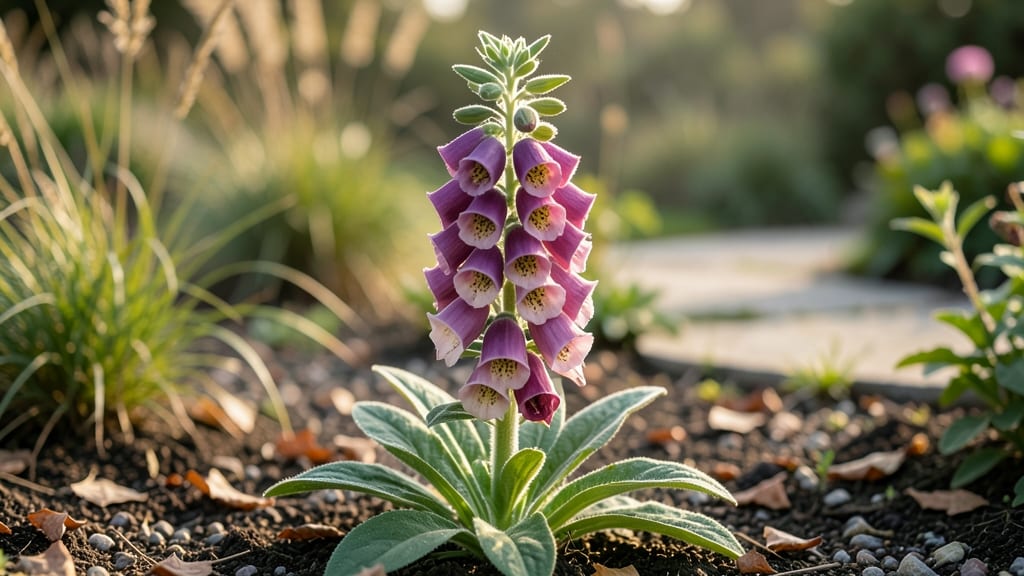
Foxglove does not bloom all summer; its flowers typically last just 6-8 weeks in late spring to early summer, with occasional light reblooming in fall. Deadheading and proper care can prolong blooms slightly, but they won't flower continuously.
Foxglove's seasonal bloom cycle is hardwired into its genetics. 🌸 Most varieties—like the classic Digitalis purpurea—produce their showiest flowers in spring when daylight lengthens, then gradually fade as temperatures rise. Even reblooming varieties like Digitalis grandiflora rarely produce full summer displays; their second flushes are usually sparse and short-lived.
The key to extending their season lies in removing spent blooms promptly and avoiding over-fertilizing with nitrogen, which encourages leaf growth at the expense of flowers.
What many gardeners don't realize is that foxglove's natural decline isn't just about timing—it's also about energy conservation. After their initial burst of blooms, these biennials shift focus to seed production, which requires significant resources.
Proper deadheading (snipping off faded flower spikes) redirects that energy back into new growth, but even with perfect care, you won't get continuous summer color. Think of foxglove as a spring-to-early-summer star rather than a long-season performer.
💡 In This Article
- Foxglove Flowering Seasons by Variety
- Tips to Extend Foxglove Blooms Beyond Early Summer
Foxglove flowering seasons by variety
The classic Digitalis purpurea (common foxglove) follows a strict biennial cycle that peaks in late spring to early summer. Its flowering period typically spans 6-8 weeks, triggered by increasing daylight in spring.
The plant stores energy in its roots during its first year, then produces a single, dramatic flower spike in its second year. This genetic programming explains why you won't see continuous blooms—once the initial flush fades, the plant shifts focus to seed production.
Varieties like Digitalis grandiflora (yellow foxglove) and Digitalis obscura (woodland foxglove) follow similar patterns but may produce smaller second blooms in fall. These reblooms occur because the plant retains some stored energy, but they're usually 20-30% weaker than the spring display.
The key difference lies in their genetics: while D. purpurea dedicates nearly all energy to its single summer bloom, D. grandiflora can produce multiple spikes if given ideal conditions.
Color variations also affect blooming patterns. Darker purple varieties often bloom slightly later than pale pink ones, with a 2-3 week difference in peak timing. This is because darker pigments require more energy to produce, delaying the plant's full flowering.
The Cambridge Blue cultivar, for example, typically blooms 1-2 weeks earlier than Pam's Choice pink, making precise planting timing crucial for staggered displays.
What's fascinating is how foxglove responds to temperature shifts. Most varieties begin flowering when night temperatures drop below 60°F after warm spring days—a process called thermoperiodism. This explains why late spring blooms are most abundant: the plant needs this temperature contrast to trigger flower production.
Once summer heat becomes consistent, the flowering signal weakens, and the plant naturally shifts to vegetative growth.
Gardeners often mistake foxglove's gradual decline for poor health, but it's actually a survival strategy. The plant's self-pruning mechanism ensures it doesn't waste energy on flowers when temperatures rise above 75°F.
This built-in limitation means even with perfect care, you won't get continuous summer color—foxglove is fundamentally a spring-to-early-summer performer rather than a long-season bloomer.
For those wanting extended displays, understanding these variety-specific patterns is crucial. While no foxglove will bloom all summer, Digitalis grandiflora varieties often provide the best secondary blooms in fall, while Digitalis obscura may produce scattered flowers throughout summer if given partial shade.
The secret lies in selecting varieties that match your climate's specific temperature patterns.