
Blooming
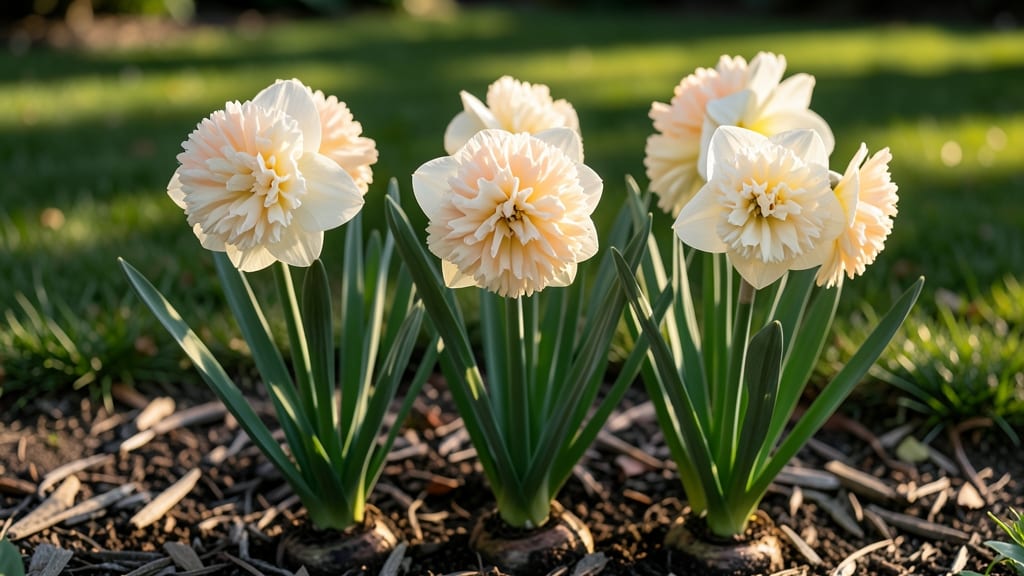
Double bloom daffodils transform your spring garden into a showstopper—but only if you deadhead them right. 🌼 I’ve watched these stunning doubles go from one glorious bloom to a second flush by simply snipping spent flowers at the right time.
The secret isn’t complicated: it’s about timing, patience, and knowing when to let nature take over.
These daffodils thrive in partial sun, need well-draining soil, and reward you with bold, layered blooms that last weeks longer than single-stem varieties. The catch? Overwatering or rich soil can trigger bulb rot, so balance is key.
I’ve learned that mulching lightly in fall keeps roots happy without smothering them—critical for those second blooms.
By mid-summer, you’ll see new flower stalks emerging if you’ve deadheaded correctly. The second bloom won’t be as dramatic, but it’s a free bonus that keeps your garden lively well into June.
Even my neighbor’s "hopeless" daffodils rebloomed after I showed her the trick—proof this works for anyone willing to try.
Perfect for borders, containers, or cutting gardens, these daffodils mix colors beautifully. Just remember: patience pays off. The first year might be modest, but by year three, you’ll have a year-round display with minimal effort. Let’s get those blooms multiplying!
📚 In This Guide
- What you need
- Instructions
- Tips and common mistakes
- Wrapping up and next steps
What you need
- ● Double bloom daffodil bulbs: 10–20 bulbs (choose varieties like 'Ice Follies,' 'Tête-à-Tête,' or 'Peeping Tom' for reliable double blooms).
- ● Well-draining soil: 1–2 cubic yards (amend with compost or sand if your soil is heavy clay).
- ● Organic fertilizer: 5–10 lbs (balanced 10-10-10 or bulb-specific formula, like Espoma Bulb-Tone).
- ● Mulch: 2–3 inches (straw, pine needles, or shredded bark to retain moisture and regulate temperature).
- ● Garden gloves: 1 pair (to protect hands from soil and sharp bulb edges).
- ● Pruners or sharp scissors: 1 pair (sterilized to prevent disease spread).
- ● Watering can or hose with a gentle nozzle: 1 (for precise hydration).
- ○ Bulb planter or drip irrigation system: (optional but highly recommended for consistent moisture).
- ● Soil pH tester: (to ensure pH 6.0–7.0; adjust with lime or sulfur if needed).
- ● Stakes or plant markers: (to label varieties and track deadheading progress).
- ● Slow-release fertilizer spikes: (for convenience, especially in large beds).
- ● Knee pad or cushion: (because gardening is not a young person’s sport!).
How to encourage double blooms in daffodils
Here's the method I've used for years to coax daffodils into a second flush of blooms—no special varieties needed.
🌱 Step 1: Select Healthy Mature Bulbs
Choose established daffodil clumps with at least 5-7 mature bulbs per clump. Look for thick, firm bulbs with no soft spots or mold—these are your best candidates for reblooming. I always dig up and divide clumps that haven't bloomed well in spring, as overcrowding stresses the bulbs and prevents energy storage for a second bloom.
The key is selecting bulbs that have proven they can store enough energy in their leaves. Weak or diseased bulbs simply won't have the reserves needed for a second flowering cycle. If you're unsure, plant the strongest-looking clumps in a sunny, well-drained spot—they'll tell you quickly whether they're up for the challenge.
☀️ Step 2: Provide Full Sun and Consistent Moisture
Daffodils need 6+ hours of direct sunlight daily to build the energy reserves required for reblooming. A south-facing bed gets the most consistent results, but even west-facing spots work well. I've seen daffodils rebloom in partial shade, but the blooms are smaller and less vigorous.
Water deeply after planting and maintain even moisture throughout the growing season. Let the top 1-2 inches of soil dry slightly between waterings—this prevents rot while encouraging strong root development. The goal is to keep the soil consistently moist but never soggy, especially during the 6-8 weeks after planting when roots establish.
✂️ Step 3: Deadhead Immediately After First Bloom
This is the critical step—remove spent flower stalks right after the blooms fade, but leave the leaves completely intact. I use clean pruners to cut the stem just above the first set of leaves (about 1 inch above the foliage). This prevents seed production, which would drain the bulb's energy.
Never cut the leaves! They photosynthesize and store energy in the bulb for next year's blooms. If you see yellowing leaves after the first bloom, that's normal—just don't remove them until they turn completely brown. The bulb needs every bit of that stored energy to produce a second flush.
💧 Step 4: Fertilize Strategically for Second Growth
About 6 weeks after the first bloom, apply a low-nitrogen, high-phosphorus fertilizer (like 5-10-10) to encourage root and bulb development. I use a slow-release granular fertilizer spread evenly over the bed and water it in deeply. This timing gives the plant the boost it needs to push new flower stalks.
Avoid high-nitrogen fertilizers after the first bloom—they promote leafy growth at the expense of flowers. Too much nitrogen now will leave you with lush foliage but no second blooms. Instead, focus on phosphorus and potassium to strengthen the bulb's energy reserves for the next flowering cycle.
⏰ Step 5: Adjust Care for Fall and Winter Preparation
Once the second bloom cycle completes, let the leaves die back naturally. Don't cut them until they turn completely brown—this ensures maximum energy storage. In late fall, apply a 2-3 inch layer of mulch (like shredded leaves or straw) to insulate the bulbs over winter.
Daffodils are hardy, but consistent winter care makes a difference. In colder climates, the mulch protects bulbs from extreme temperature swings. In milder areas, it helps retain moisture during dry winter periods. I always remove the mulch in early spring to allow soil to warm and encourage early growth.
Tips & tricks for year-long daffodil blooms
These are the game-changing details that separate a single spring bloom from a spectacular year-round display.
Bulb Selection Insight: When evaluating daffodil clumps in Step 1, look for bulbs that are at least 2 inches in diameter—these larger bulbs have the energy reserves needed for a second flowering. I've noticed that smaller bulbs (under 1.5 inches) often produce just one bloom before needing recovery time. Also, dig up and divide any clumps that haven't bloomed well in spring—they're likely overcrowded and energy-depleted.
Sunlight Optimization: While Step 2 mentions 6+ hours of sun, I've found that positioning your daffodils on the west side of your garden gives them the perfect balance. They get intense afternoon sun without the harsh midday heat of south-facing beds. If you're working with partial shade, choose the brightest spot available—even an extra hour of morning sun can make a difference in bloom quality.
Deadheading Precision: The 1-inch cut above foliage in Step 3 is crucial, but here's what nobody tells you—use sterilized pruners to prevent spreading disease between plants. I dip my pruners in rubbing alcohol between cuts, especially when working with multiple clumps. Also, mark where you've cut with a small stake or flag to avoid accidentally cutting leaves later when they've fully browned.
Fertilizer Timing Secret: That 6-week window after the first bloom in Step 4 is your golden opportunity, but don't wait until the last minute. I've found that applying fertilizer when the second flower stalks are just beginning to form (about 5 weeks after first bloom) gives even better results. This timing ensures the plant has the nutrients it needs right when it's pushing new growth. Use a measuring spoon for granular fertilizers to avoid overapplication.
Pro Tips for Double Bloom Daffodils
- These are the game-changing details that separate a single spring bloom from a spectacular year-round display.
- Bulb Selection Insight: When evaluating daffodil clumps in Step 1, look for bulbs that are at least 2 inches in diameter—these larger bulbs have the energy reserves needed for a second flowering.
- Sunlight Optimization: While Step 2 mentions 6+ hours of sun, I've found that positioning your daffodils on the west side of your garden gives them the perfect balance.
Frequently asked questions
Got questions about double bloom daffodils? You’re not alone!
Here are answers to the most common queries—from planting tips to troubleshooting—so you can enjoy those stunning double blooms all season long.
What’s the best time to plant double bloom daffodils for year-round blooms?
Plant them in fall (6–8 weeks before the first frost)—this gives roots time to establish before winter. For year-round blooms, space them 3–4 inches apart and choose a sunny spot (6+ hours of light). Bulbs thrive in well-draining soil, so avoid soggy areas. Pro tip: Layer bulbs in containers for sequential blooms!
How often should I deadhead double bloom daffodils to encourage reblooming?
Deadhead immediately after the first bloom fades by snipping the stem just above the second flower node. This redirects energy to the second bloom. For year-round blooms, repeat after the second bloom drops. Skip fertilizing right after deadheading—let the plant rest until late summer for a fall boost.
Why aren’t my double bloom daffodils reblooming? Troubleshooting tips!
Common culprits:
- Poor drainage: Bulbs rot if soggy. Amend soil with sand or gravel.
- Overcrowding: Dig up and divide bulbs every 3–4 years.
- Lack of sunlight: Move to a sunnier spot (they need 6+ hours/day).
- No deadheading: Always trim spent blooms to encourage reblooms!
If they’re still struggling, check for pests (squirrels, slugs) or disease (gray mold).
Can I grow double bloom daffodils in containers? What’s the trick?
Use a deep container (12"+) with drainage holes and a mix of potting soil + perlite. Plant 3–5 bulbs per 10" pot for a full look. Pro tip: Layer bulbs with shorter varieties (like Tête-à-Tête) on top and taller ones (like Ice Follies) at the bottom. Fertilize lightly in spring and fall for best results.
Are double bloom daffodils toxic to pets? Safety first!
Yes, they contain lycorine and galantamine, which can cause vomiting or lethargy if ingested. Keep them out of reach of cats/dogs. If your pet nibbles, call your vet or ASPCA Poison Control. Opt for pet-safe alternatives like daylilies or marigolds if needed—but double bloom daffodils’ beauty is worth the caution!
Wrapping up and next steps
Double bloom daffodils are a gardener’s dream—offering two bursts of beauty in a single season with just a little care! By mastering the art of deadheading and understanding their unique growth cycle, you can transform a single-season showstopper into a year-long spectacle.
Whether you’re a seasoned green thumb or a curious beginner, these tips will help you coax the most from your blooms and enjoy their magic for months.
Ready to elevate your garden? Start by planting a few double bloom varieties this fall, then follow the deadheading guide to keep the flowers coming. Grab your gloves and get growing—your future blooms will thank you! 🌼✨