
Blooming
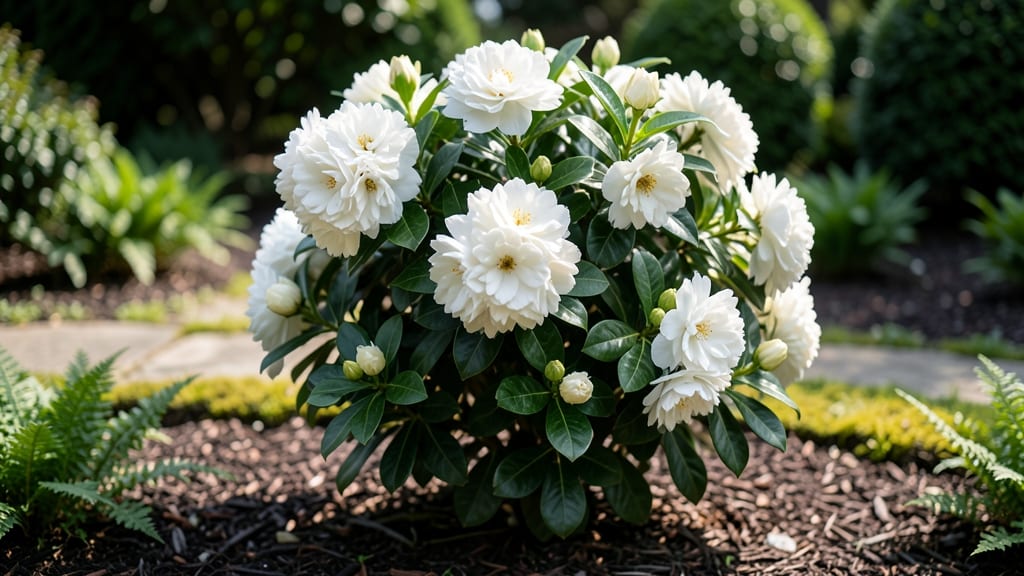
Double bloom gardenias transform your yard into a fragrant paradise with twice the flowers and half the fuss. 🌸 I've grown these for years, and the secret to their lush, repeat blooming lies in understanding their exact needs—soil that drains like a dream, morning sun that warms their leaves, and a watering rhythm that keeps roots happy without drowning them.
The real magic happens when you match their natural habits: these tropical beauties thrive in slightly acidic soil (think pine bark mixed with compost) and need 6+ hours of sunlight daily, but they despise afternoon heat.
Overwatering is their kryptonite—let the top inch dry between drinks, and you'll avoid the yellow leaves that scream "too much love!"
By late summer, you'll see those first double-layered blooms appear, and with proper care, they'll keep coming through fall—sometimes even winter if you shelter them. The fragrance alone makes the effort worth it, but the bold, creamy-white flowers that open twice as wide as singles? That's the real reward.
Works beautifully in containers too, so even small spaces can enjoy their intoxicating scent. Let's get yours blooming like crazy—here's exactly how to make it happen without the guesswork.
📚 In This Guide
- What you need
- Instructions
- Tips and common mistakes
- Wrapping up and next steps
What you need
- ● Double Bloom Gardenia Plant: A healthy, disease-free Gardenia jasminoides cultivar (e.g., 'Kleim’s Hardy' or 'Radicans')—ensure it’s labeled for double blooms! (1 plant)
- ● Well-Draining Potting Mix: A blend of peat moss, perlite, and pine bark (ratio: 3:1:1) for acid-loving roots. (5-10 lbs, depending on pot size)
- ● Pot or Garden Bed: Container Growers: A 12-15” diameter pot with drainage holes (terracotta or ceramic preferred).
- ● In-Ground Planting: A sunny, sheltered spot with 6+ hours of indirect light and 6.0–7.0 pH soil.
- ● Fertilizer: A balanced, slow-release acid fertilizer (e.g., 10-10-10 or 8-3-9) with micronutrients like iron and magnesium. (1 lb per season)
- ● Watering Can or Hose: With a gentle spray nozzle to avoid disturbing soil.
- ● Pruning Shears: Sharp, sterilized shears (alcohol wipe between cuts).
- ● pH Test Kit: To monitor soil acidity (digital or liquid test strips). (💡 Pro Tip: Aim for 5.5–6.5 pH for optimal blooms!)
- ● Humidity Dome/Tray: For indoor gardeners (keeps humidity at 50–70%).
- ● Grow Lights: LED full-spectrum bulbs (12–14 hrs/day) if natural light is limited.
- ● Mulch: Pine needles or oak leaves to retain moisture and acidify soil.
- ● Spray Bottle: For foliar feeding with diluted fertilizer or neem oil (pest deterrent).
Step-by-step instructions for cultivating double bloom gardenias
Here's how I coax those lush, fragrant double blooms year after year with just a few key moves.
🌱 Step 1: Select the Right Location and Plant at Proper Depth
Gardenias thrive in bright, indirect light—think dappled morning sun with afternoon shade. A spot that gets 4-6 hours of morning sun and protection from harsh afternoon rays is ideal. I always plant mine near the east side of my house where they get gentle light all day.
Dig a hole twice as wide as the root ball but only as deep as the container it came in. Gardenias hate having their roots buried too deep, which can cause root rot. Place the plant so the top of the root ball sits just below soil level—never deeper. This ensures proper drainage while keeping the plant stable.
💧 Step 2: Amend Soil for Acid-Loving Roots and Water Deeply
Gardenias demand acidic soil (pH 5.0-6.5). If your native soil isn't naturally acidic, mix 2-3 inches of peat moss or sulfur-based amendment into the planting hole. I use 1 part peat moss to 3 parts native soil for the best balance. This mimics their natural bog habitat while preventing compaction.
Water deeply until the soil is thoroughly saturated—about 1 gallon per plant. You'll know it's right when water drains out the bottom of the hole. After planting, mulch with 2-3 inches of pine bark to retain moisture and lower soil pH over time. Avoid wood chips, which can raise pH as they decompose.
☀️ Step 3: Feed Monthly with Acidic Fertilizer and Prune Strategically
Start fertilizing 4-6 weeks after planting with a balanced, acidic fertilizer (10-10-10 or 8-3-9). I switch to a high-phosphorus formula (5-10-5) when buds form to encourage blooming. Feed every 4 weeks during growing season (spring-fall), but never fertilize in winter—this causes weak, leggy growth.
Prune only after blooming to maintain shape. Remove dead or crossing branches first, then trim back overly long stems by one-third to encourage bushier growth. Never prune into old wood—gardenias bloom on new growth, so always cut just above a leaf node. This keeps the plant compact and flowering heavily.
✂️ Step 4: Winter Care for Year-Round Blooms
When temperatures drop below 50°F at night, move potted gardenias to a protected location (like a garage with windows) or wrap the pot in burlap for insulation. I place mine near a south-facing window where they get bright, indirect light through winter. This prevents dormancy and keeps them blooming.
Reduce watering in winter—soil should stay slightly moist but never soggy. Overwatering in cold weather causes root rot. If you notice yellowing leaves, it's a sign of either overwatering or low light. Adjust accordingly, and you'll keep those fragrant blooms coming even in cooler months.
🌿 Step 5: Encourage Double Blooms with Light and Pruning Tricks
For double blooms, pinch back new growth tips in early summer when stems reach 4-6 inches. This forces the plant to branch out instead of growing tall and leggy. I also rotate the pot every few weeks so all sides get equal light—uneven light causes lopsided growth and fewer blooms.
Watch for buds forming in late summer. If you see small green buds, reduce water slightly and avoid fertilizing—this prevents bud drop. A light foliar spray with seaweed extract (every 2 weeks) boosts blooming without overstimulating growth. With this care, your gardenia will reward you with continuous double blooms from spring through fall.
Tips & tricks for perfect double bloom gardenias
Here's what nobody tells you about keeping gardenias blooming like clockwork—these are the secrets that make all the difference.
Lighting Strategy: The 4-6 hours of morning sun is non-negotiable, but timing matters just as much as duration. I've found that positioning your gardenia where it gets morning sun but afternoon shade from nearby trees or structures creates the perfect balance. If you notice leaves scalding (turning brown), it's getting too much direct afternoon sun—move it slightly or add a sheer curtain for protection. This delicate balance is what prevents stress and keeps those double blooms coming.
Soil pH Secret: Testing your soil's pH is one of those things most gardeners skip, but it's the difference between a struggling plant and one covered in blooms. Use a simple soil pH test kit to confirm you're in the 5.0-6.5 range. If you're on the higher end, add a bit more peat moss or sulfur to the mix. I've seen gardenias in soil with pH 7.0+ refuse to bloom no matter how much I fertilized—acidity is absolutely critical for flower production.
Fertilizing Timeline: The 4-6 week wait before first fertilizing is crucial—it gives the roots time to establish without being overwhelmed. Once you start, that every 4 weeks schedule during growing season is key, but here's the trick: split your fertilizer dose in half when buds start forming. This prevents overstimulating new growth at the expense of blooms. I also switch to the 5-10-5 formula at this stage because phosphorus is what actually triggers those double blooms.
Winter Light Hack: That south-facing window recommendation isn't just about light—it's about creating a microclimate. Gardenias need bright, indirect light even in winter, but many homes have north-facing windows that provide too little. If you don't have a south-facing option, supplement with a full-spectrum grow light for 12-14 hours per day. I've kept my gardenias blooming through winter using just a simple LED grow bulb placed 12 inches above the plant—it makes all the difference when natural light is scarce.
Pro Tips for Double Bloom Gardenia
- Here's what nobody tells you about keeping gardenias blooming like clockwork—these are the secrets that make all the difference.
- Lighting Strategy: The 4-6 hours of morning sun is non-negotiable, but timing matters just as much as duration.
- Soil pH Secret: Testing your soil's pH is one of those things most gardeners skip, but it's the difference between a struggling plant and one covered in blooms.
Frequently asked questions
Why isn’t my double bloom gardenia flowering as much as expected?
Double bloom gardenias need consistent care—especially light, water, and humidity. Ensure they get bright, indirect sunlight (6+ hours daily) and avoid drafts. Over-fertilizing can also reduce blooms; use a balanced bloom booster (like 10-10-10) every 4-6 weeks in spring/summer. Patience is key! Mature plants (3+ years) bloom more reliably.
How often should I water my double bloom gardenia?
Water when the top 1–2 inches of soil feel dry—typically 1–2 times weekly, but adjust for climate. Gardenias hate soggy roots, so ensure pots have drainage holes. Brown leaf tips? Often a sign of underwatering or hard water (use rainwater or distilled if possible).
Can double bloom gardenias survive indoors year-round?
With the right setup: humidity (50%+), warmth (65–75°F), and bright light (south/west windows or grow lights). Place near a humidifier or pebble tray, and mist leaves daily in dry climates. Winter tip: Keep away from heaters/vents, which dry out the air.
What’s the best alternative if my gardenia blooms are sparse?
Try these fragrant, low-maintenance doubles:
- Jasminum polyanthum – "Pink Jasmine": Easy bloomer, thrives in shade.
- Gardenia jasminoides ‘Kleim’s Hardy’ – Cold-hardier (Zone 7+), double flowers.
- Sarcococca confusa – "Sweet Box": Winter blooms, fragrant but smaller flowers.
White spots on leaves—what’s causing this, and how do I fix it?
Those spots are likely powdery mildew or spider mites. Fix it fast:
- Isolate the plant to prevent spread.
- Wipe leaves with a neem oil solution (1 tsp oil + 1 quart water).
- Improve air circulation (trim crowded branches).
- For mites, spray with water daily to deter them.
Wrapping up and next steps
Growing a double bloom gardenia is a rewarding journey that fills your space with intoxicating fragrance and stunning beauty—with just a little patience and care! 🌸 Whether you’re a seasoned gardener or a beginner, these tips ensure your gardenia thrives year-round with minimal fuss.
The key? Consistent moisture, bright (but indirect) light, and occasional pruning to encourage those lush, double blooms.
Ready to turn your garden—or windowsill—into a fragrant paradise? Start by planting your gardenia today and watch as it transforms into a blooming masterpiece. Happy gardening! 🌿✨