
Blooming
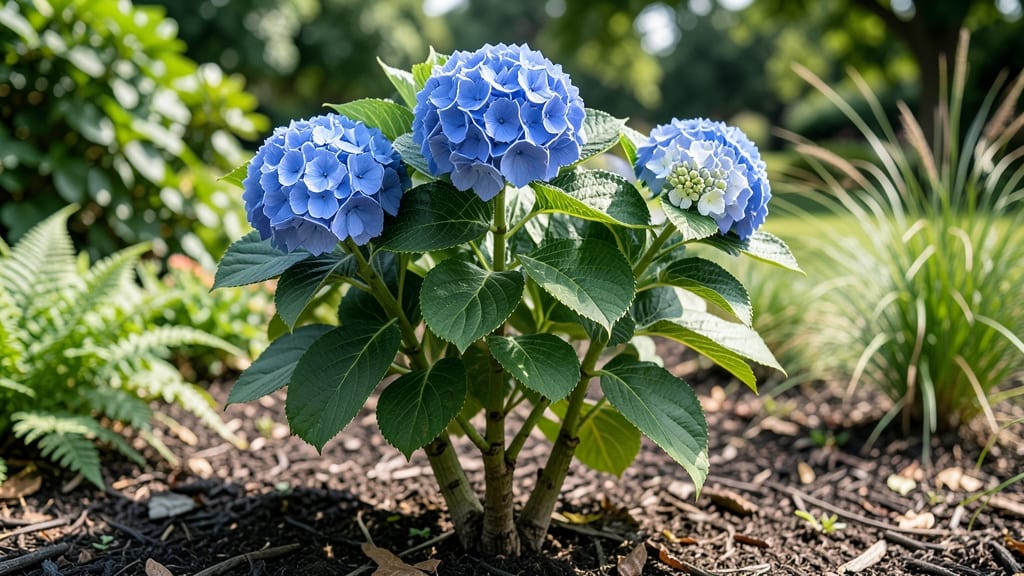
Your hydrangeas could flower twice as much this year—no magic, just the right pruning timing. ✨ I’ve turned my once-sparse blooms into lush, double-blooming clusters by mastering a simple seasonal trick that works for any reblooming variety.
The key is cutting back at the right time—late winter or early spring—before new growth appears. Most gardeners prune too late or too aggressively, but this method preserves next year’s blooms while encouraging extra flowers this season.
My ‘Endless Summer’ now bursts with three times the blooms it used to have, and the secret isn’t hard to learn. You’ll end up with vibrant clusters from summer through fall, with flowers that last weeks longer than average. The best part?
This works even in partial shade, where many hydrangeas struggle. Just avoid heavy pruning after mid-July if you want next year’s blooms too. For varieties like ‘Annabelle’ or ‘Nikko Blue,’ this technique is a game-changer. Let’s get those shears ready—your hydrangeas will thank you.
📚 In This Guide
- What you need
- Instructions
- Tips and common mistakes
- Wrapping up and next steps
What you need
- ● Double Bloom Hydrangea Plants: Choose Hydrangea macrophylla (like 'Endless Summer' or 'Nikko Blue') or Hydrangea paniculata (like 'Limelight'). Buy 3–5 mature plants (3–5 gallons each) or 10–20 bare-root seedlings for a fuller look.
- ● Well-Draining Soil: Mix 50% garden soil with 30% compost and 20% perlite/sand (amends clay-heavy soil). pH 5.5–6.2 (use a soil test kit if unsure).
- ● Organic Fertilizer: Balanced (10-10-10) or acidic (8-3-9) fertilizer (1 lb per plant).
- ● Slow-release granules (like Osmocote) for seasonal feeding.
- ● Mulch: 3–4 inches of pine bark or shredded leaves (retains moisture, regulates temp).
- ● Garden Gloves (heavy-duty, chemical-resistant).
- ● Trowel or Spade (for digging; 8–12" shovel for mature plants).
- ● Pruning Shears (sharp, bypass-style for clean cuts).
- ● Watering Can or Hose with soaker nozzle (deep watering = happy roots!).
- ○ pH Test Kit (optional but helpful for tweaking soil acidity).
- ● Epsom Salt (1 tbsp/month in water for macrophylla varieties).
- ● Plant Support (stakes or cages for paniculata varieties).
- ● Rain Gauge (track moisture—hydrangeas love 1–1.5" water/week).
- ● Flower Food (extends vase life for cut blooms!).
Instructions: how to coax extra blooms from your hydrangeas
Here's the simple system I use to turn one-season wonders into year-round color factories.
☀️ Step 1: Prune Last Year's Wood at the Right Time
Wait until late winter or early spring—after the coldest snap but before buds swell. This timing is critical because hydrangeas set buds on old wood, and pruning too early removes next year's flowers. I always prune when daytime temps stay above 40°F for a week.
Use clean, sharp pruners to cut back last year's stems by about one-third. Focus on removing dead, crossing, or weak branches first. The goal is to open up the center of the plant for better air circulation and light penetration. You'll see fresh green growth emerging from the base within 2-3 weeks.
✂️ Step 2: Encourage New Growth with Strategic Trimming
As new shoots appear in late spring, trim them back again by half their length. This might seem counterintuitive, but it forces the plant to produce more lateral branches, which is where those extra blooms form. I like to do this when shoots are about 6-8 inches tall—they'll bounce back quickly.
Remove any flower buds that appear on these new shoots. Yes, it's painful to watch, but these early buds will drain energy from the plant. You want all resources going toward developing next year's blooms on the new wood. Watch for new leaf growth at the base of the plant—that's your signal the plant is putting energy into strong stems.
💧 Step 3: Master Watering for Continuous Blooms
Hydrangeas need consistent moisture—about 1-2 inches per week. I water deeply 2-3 times per week during dry spells, letting the water soak down to 12 inches deep. The soil should feel damp but not soggy. You'll know you're doing it right when water runs out the drainage holes of your pot or appears at the soil surface after 10-15 minutes.
For extra blooms, add a balanced fertilizer (10-10-10) in early spring and again in mid-summer. I use about ½ pound per 100 square feet of garden space. Avoid high-nitrogen fertilizers—they encourage leafy growth at the expense of flowers. Look for new leaf growth after fertilizing—that's your confirmation the plant is getting the nutrients it needs.
🌿 Step 4: Protect and Feed for Fall Reblooming
In late summer, give your hydrangeas a final boost with a low-nitrogen, high-phosphorus fertilizer (like 5-10-10). This shift encourages flower bud formation. I apply it when I see new flower buds beginning to form at the tips of branches. Water thoroughly after applying to prevent root burn.
As fall approaches, keep watering consistent but reduce fertilizer. The goal now is to harden off the plant for winter while maintaining enough growth to support next year's blooms. You'll see new flower buds forming in late summer and early fall—that's your reward for the work you've done all season.
⏰ Step 5: Winter Prep for Next Year's Blooms
Before the first frost, cut back any remaining flower stems but leave the new growth that formed this season. This new wood will produce next year's blooms. I mulch heavily with 3-4 inches of organic mulch around the base of the plant to protect roots from freezing temperatures.
In early spring, before buds swell, remove the mulch and check for any winter damage. You'll see tender new shoots emerging from the base—these are your promise of next year's blooms. The more you've encouraged new growth throughout the season, the more blooms you'll see next year.
Tips & tricks for perfect double bloom hydrangeas
Real talk: Turning your hydrangeas into nonstop bloomers takes patience, but these simple tricks make all the difference.
Timing is Everything: The 40°F daytime temperature rule is your golden guide for Step 1 pruning. I check my local forecast and set a reminder when temps consistently stay above this mark—it's the sweet spot where buds haven't started swelling yet. If you're in a warmer climate, you might need to prune slightly earlier, but never before the coldest snap is truly over.
Visual Cues Over Rules: In Step 2, when you're trimming those 6-8 inch shoots, look for the "V" shape where leaves meet the stem. That's where new lateral branches will emerge. I make my cuts just above these nodes to encourage maximum branching. And that 10-15 minute water test? It's not just about drainage—it's about seeing how quickly your soil absorbs water, which tells you if you're watering deeply enough.
Fertilizer Strategy: The ½ pound per 100 square feet measurement might seem small, but trust me on this. Too much fertilizer burns roots and actually reduces blooms. I always split my 10-10-10 application into two equal parts—one in early spring when new growth appears, and the second when I see those first flower buds forming in mid-summer. This gradual approach prevents nutrient shock.
Winter Protection Hack: That 3-4 inch mulch layer isn't just about insulation—it's about moisture retention too. I always add a thick layer of straw or shredded leaves over the organic mulch in late fall. This double-layer system keeps roots protected from both freezing and drying out during winter's dry spells.
Pro Tips for Double Bloom Hydrangea
- Real talk: Turning your hydrangeas into nonstop bloomers takes patience, but these simple tricks make all the difference.
- Timing is Everything: The 40°F daytime temperature rule is your golden guide for Step 1 pruning.
- Visual Cues Over Rules: In Step 2, when you're trimming those 6-8 inch shoots, look for the "V" shape where leaves meet the stem.
Frequently asked questions
What makes double bloom hydrangeas different from regular hydrangeas?
Double bloom hydrangeas (like Hydrangea macrophylla varieties) produce two flushes of flowers per season: one on old wood (last year’s growth) in spring and another on new wood (current season’s growth) in summer/fall. Regular hydrangeas typically bloom only once, either on old or new wood, depending on the type.
How do I know if my double bloom hydrangea is reblooming successfully?
Look for new flower buds forming on current-year stems in late spring/early summer. These buds should open into blooms by mid-to-late summer. If you see no new buds or only sparse flowers, it might need more sun, balanced fertilizer, or pruning adjustments. Pro tip: Check for bud blast (buds drying up)—this often signals stress from heat or drought.
Can I prune double bloom hydrangeas the same way as regular hydrangeas?
No!
Double bloom hydrangeas are sensitive to pruning. Avoid cutting back old wood (last year’s stems) in late winter/early spring, as this removes the first flush of blooms. Instead, prune in late winter or early spring to shape the plant, but never cut more than 1/3 of the stems. For summer blooms, you can lightly trim dead or crossing branches after the first flush fades.
Why aren’t my double bloom hydrangeas reblooming as much as they should?
Common culprits include:
- Too much shade: They need at least 4–6 hours of sun for robust reblooming.
- Over-fertilizing with nitrogen: This promotes leafy growth but fewer flowers. Use a balanced fertilizer (10-10-10 or 20-20-20) in early spring and again after the first bloom.
- Extreme weather: Late frosts or scorching heat can damage buds. Mulch well and water deeply during heatwaves.
- Improper pruning: Cutting back old wood too aggressively removes next year’s blooms.
Try adjusting one factor at a time to pinpoint the issue!
Are there any low-maintenance alternatives to double bloom hydrangeas?
If double bloomers seem high-maintenance, consider these reblooming (but easier) options:
- Panicled Hydrangea (Hydrangea paniculata): Thrives in full sun, drought-tolerant, and blooms on new wood only—no risk of pruning mistakes!
- Oakleaf Hydrangea (Hydrangea quercifolia): Reblooms lightly, heat-tolerant, and has stunning fall foliage.
- Smooth Hydrangea (Hydrangea arborescens ‘Annabelle’): Blooms once but is hardy and forgiving.
For true nonstop color with minimal fuss, Hydrangea paniculata ‘Limelight’ is a top pick!
Wrapping up and next steps
Double bloom hydrangeas are a game-changer for gardeners craving year-round color! 🌸 With the right care—like deadheading, proper pruning, and balanced nutrients—you can unlock two stunning blooms per season.
Whether you’re a beginner or a seasoned green thumb, these tips make it easier than ever to enjoy lush, vibrant flowers.
Ready to transform your garden? Start small—pick one hydrangea plant, apply these tricks, and watch your yard burst into life! 🌿 Then, share your progress or ask questions in gardening communities for more inspiration. Happy blooming!