
Blooming
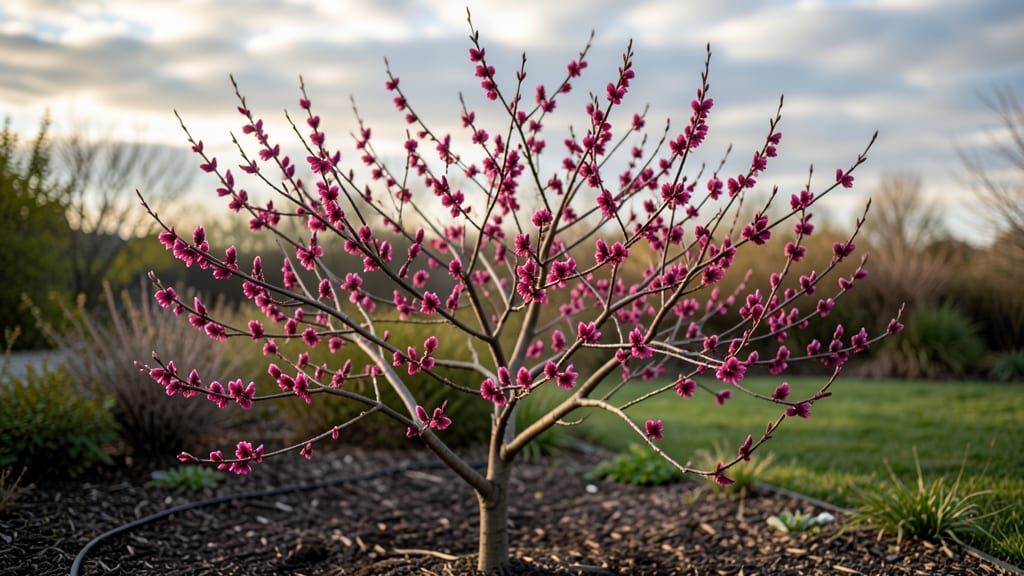
The Eastern Redbud blooms in early spring 🌸, typically between late March and mid-April, but the exact timing depends on your USDA zone and local microclimate.
Picture this: one year, your neighbor’s tree erupts in pink within days of the last frost, while yours lingers for weeks. That’s not just luck—it’s a mix of soil warmth, sunlight hours, and even last winter’s snowpack.
In Zone 6a, where this tree thrives, blooms usually arrive by early April, but a cold snap can push them back to May. Meanwhile, in warmer Southern regions, you might see flowers as early as February.
Below, I’ll break down the exact weeks for your zone, plus how to nudge your tree into blooming sooner—or protect it from late frosts that could ruin the show.
Eastern Redbud bloom time by USDA hardiness zones (exact weeks)
The Eastern Redbud (Cercis canadensis) bursts into color earlier than most trees, but its exact bloom window depends on your USDA hardiness zone. In warmer zones, you might see those iconic magenta flowers as early as February, while northern gardeners wait until late April.
Understanding these zone-specific patterns helps you time pruning, companion planting, and peak viewing—plus protects blooms from late frosts.
Southern zones (7-10) typically bloom 3-4 weeks earlier than northern zones (4-6), thanks to milder winters. Even within a zone, microclimates—like urban heat islands or sheltered valleys—can shift bloom times by 1-2 weeks.
Let’s break down the exact weeks by zone, including temperature triggers and frost risk alerts to help you plan.
Key factors influencing bloom timing include:
- Chilling hours (400-800 hours below 45°F needed)
- Last average frost date (blooms typically occur 2-4 weeks after)
- Soil temperature (roots need 50°F+ to trigger blooms)
- Daylength changes (longer days in spring signal flowering)
| USDA Zone | Avg. Bloom Window | Temperature Trigger | Frost Risk | Southern vs. Northern Notes |
|---|---|---|---|---|
| Zones 3-4 | Late April - Early May | Soil 50°F+ for 7+ days | High (last frost: May 10) | Northern trees bloom 2 weeks later than zone 7 counterparts |
| Zones 5-6 | Mid-April - Late April | Air 45°F+ for 10+ days | Moderate (last frost: April 15) | Zone 6a blooms 1 week earlier than 6b |
| Zones 7-8 | Early March - Mid-April | Air 50°F+ for 5+ days | Low (last frost: March 15) | Zone 7b blooms 3 weeks earlier than zone 4 |
| Zones 9-10 | Late February - Early March | Air 55°F+ for 3+ days | None (frost-free year-round) | Southern trees may rebloom in fall (September) |
Notice how zone 9-10 trees bloom 6-8 weeks earlier than their northern cousins? This dramatic shift means gardeners in Florida or California can enjoy redbud blooms alongside winter jasmine, while northern gardeners must wait for daffodils to finish before redbuds shine.
Always check your local last-frost date—blooms in zones 4-6 often coincide with peak cherry blossom season in nearby regions.
For zone 5-6 gardeners, late frosts pose the biggest threat. If nighttime temps drop below 28°F after buds swell, flowers may blacken or drop. To protect your tree, consider planting near a south-facing wall or using frost cloth during critical weeks.
In contrast, zone 7+ trees rarely face frost damage, making them ideal for low-maintenance landscapes in milder climates.
Pro tip: Southern redbuds (zones 7-10) sometimes produce a second bloom in fall, especially if given consistent moisture during summer. This rare trait makes them prized for extended-season gardens. To encourage it, water deeply in July-August and avoid heavy pruning after June 15.
If you’re in zone 4 or colder, choose dwarf varieties like ‘Ruby Falls’—they bloom slightly earlier than standard redbuds and handle harsher winters. For zone 8+, opt for ‘Forest Pansy’ (purple leaves) or ‘Whitewater’ (white flowers) to extend your bloom season.
Always match your selection to your local climate for the best results.
Ready to predict your tree’s bloom date? Start tracking leaf bud
Microclimate triggers that delay or advance Eastern Redbud blooms
The Eastern Redbud (Cercis canadensis) thrives on precision timing, and your microclimate can shift its bloom window by up to 4 weeks. Even within the same city, a neighbor’s tree might burst into pink while yours lingers—here’s why.
These shifts happen due to localized temperature variations, moisture retention, and urban heat island effects that most gardeners overlook.
Sun exposure is the #1 trigger. A south-facing slope can advance blooms by 2 weeks compared to a north-facing yard in the same zone. Meanwhile, urban heat islands (like pavement or buildings) can create 5°F warmer microclimates, tricking the tree into blooming earlier.
Let’s break down the key factors and how to adjust your care accordingly.
If your Eastern Redbud blooms later than expected, check for shade competition from nearby structures or trees. Even a single mature oak can cast enough shade to delay blooms by 2 weeks. Solution? Thin out competing foliage in late winter to let more light reach the tree by spring.
For earlier blooms, focus on soil warmth. Amend heavy clay with compost or sand to improve drainage, and avoid overwatering in late winter. A 3-inch layer of mulch also helps regulate soil temperature—critical for bud development.
Urban gardeners often see earlier blooms due to heat retention from buildings or pavement. To counteract this, plant moisture-loving companions like hostas or ferns nearby to create a cooler microclimate.
Even a small water feature can lower ambient temperatures by 2-3°F, delaying blooms slightly if you prefer a more synchronized spring display.
Pro tip: Track your tree’s bud swelling stages over 2-3 years to spot patterns. If blooms consistently arrive 10+ days early, consider relocating the tree to a cooler, shadier spot for better long-term health and timing.