
Blooming
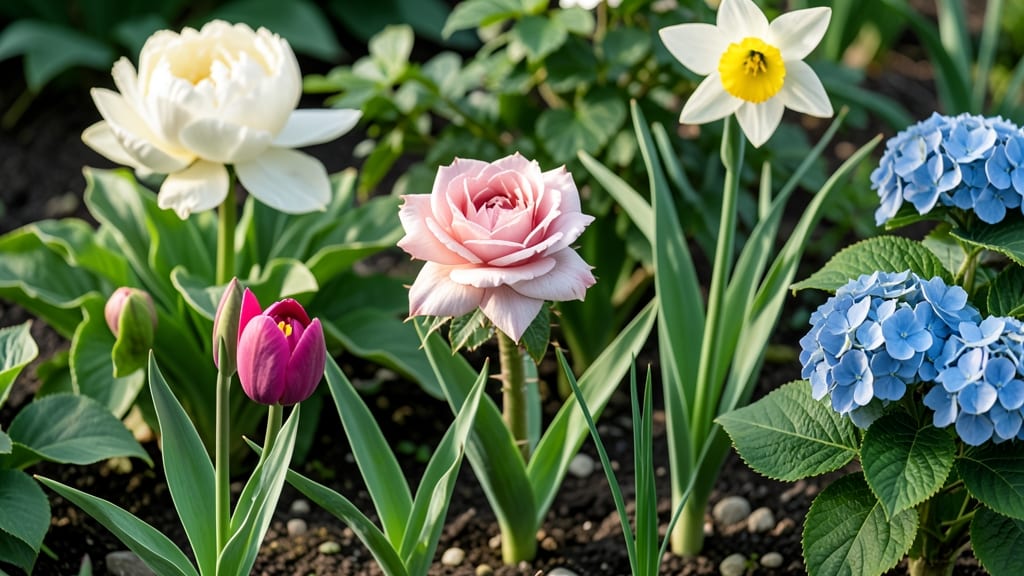
A flower bloom time chart becomes your garden's secret weapon when you're planning for year-round color. ✨ I've used mine to turn my yard into a nonstop parade of blooms, from early spring daffodils to late-fall chrysanthemums—no dead patches, no guessing when to plant.
The key is matching varieties to your climate zone and learning which flowers play well together for continuous displays.
This isn't just about memorizing dates—it's about creating a visual roadmap for your garden. You'll see which flowers overlap naturally (like peonies and black-eyed Susans) and which need strategic spacing (like tulips and daylilies) to avoid color gaps.
For example, in Zone 5, my early spring crocuses trigger the first pollinators, while my fall mums keep the show going until frost.
By the end, you'll have a planting schedule that guarantees blooms from March through November—no matter your zone. The chart helps you pick varieties that thrive in your microclimate, whether that's a sunny border, shady woodland, or container garden.
You'll know exactly when to plant bulbs, when to deadhead for repeat blooms, and which flowers to combine for maximum impact.
Works for any garden size, from small urban plots to country estates. Here's how to make it work for your space and climate—no more guessing when the flowers will arrive!
📚 In This Guide
- What you need
- Instructions
- Tips and common mistakes
- Wrapping up and next steps
What you need
- ● Printer or digital device: For printing your chart or accessing it digitally (ink or Wi-Fi required).
- ● Paper or chart template: 1 sheet of standard 8.5" x 11" printer paper (for a simple chart).
- ● OR a pre-made seasonal bloom time chart template (downloadable from gardening websites or apps like blank">Gardeners.com).
- ● Pens or markers: 1 black or dark blue fine-tip pen (for writing).
- ● 2-3 colored markers (e.g., green for foliage, pink/blue for flowers, brown for bulbs).
- ● Ruler: 1 12-inch metal or plastic ruler for straight lines and measurements.
- ● Climate zone reference: USDA blank">Plant Hardiness Zone Map (for U.S. gardeners).
- ● OR a local gardening guide specific to your region.
- ● Flower variety list: A printed or digital list of 10-20 common flowers in your area (e.g., tulips, roses, hydrangeas).
- ● Sticky notes or tabs: For marking bloom times on a physical chart.
- ● Laminator or clear sleeve: To protect your printed chart from wear.
- ● Digital tools: Canva or Google Sheets for designing a customizable chart.
- ● Smartphone app like blank">Bloomify for real-time updates.
- ● Photos of flowers: Printed images to add visuals to your chart.
- ● Weather data: Local blank">NOAA reports to adjust bloom times for unusual seasons.
How to plan your garden’s bloom schedule by season and zone
Here’s my foolproof way to visualize when flowers burst into color—so you never have a dull season.
🌱 Step 1: Identify Your USDA Climate Zone
First, find your USDA Hardiness Zone—this determines your growing seasons. Use the USDA Plant Hardiness Zone Map (zonefinder.ars.usda.gov) to pinpoint your exact zone. For example, Zone 5 gets 100-140 frost-free days, while Zone 9 enjoys 240+ frost-free days. This tells you which flowers thrive year-round and which need seasonal planning.
Write down your zone number—it’s the foundation for every bloom time decision. I keep a sticky note on my seed catalog with my zone (7b) so I don’t forget. This also helps when choosing annuals versus perennials: annuals bloom once in a season, while perennials return year after year if they survive your zone’s winters.
☀️ Step 2: Map Annual Flowers to Their Peak Bloom Seasons
Annuals are your easiest way to control bloom times—plant them at the right moment, and they’ll flower predictably. For spring bloomers like pansies or sweet peas, start seeds indoors 8-10 weeks before your last frost date (check your local weather averages). Transplant outdoors when soil warms to 50°F—you’ll see buds form within 6-8 weeks.
For summer-long bloomers (like zinnias or marigolds), sow seeds directly into the garden 2-3 weeks after your last frost. These heat-lovers need full sun (6+ hours daily) to trigger continuous flowering. Watch for the first true leaves to appear—once they’re 2 inches tall, they’ll bolt into buds faster.
🌿 Step 3: Schedule Perennials for Staggered Bloom Times
Perennials are the backbone of a year-round garden, but their bloom times vary wildly by variety. Group them by season: early spring (bleeding heart, hellebore), mid-spring (peony, iris), summer (black-eyed Susan, coneflower), and fall (asters, chrysanthemums). I plant 3-5 varieties per season to ensure continuous color.
Dig a hole twice as wide as the root ball but only as deep as the plant’s growth line. Water deeply after planting—you’ll know it’s settled when the soil looks firm around the roots. Mulch with 2-3 inches of organic mulch (like shredded bark) to protect roots and retain moisture. Perennials often bloom in their second year, so mark their location with stakes or a garden map.
⏰ Step 4: Adjust for Your Local Microclimate
Your yard’s microclimate—sun exposure, wind, and soil type—shifts bloom times. A south-facing slope warms up faster in spring, so tulips might bloom 2-3 weeks earlier there than in a shady spot. I test this by planting a few extra bulbs in different locations and noting the first bloom dates in a journal.
Soil temperature matters too: Daffodils need soil at 50°F to break dormancy, while crocuses can handle 40°F. Use a soil thermometer to track temps if your garden has inconsistent spots. Adjust planting dates by 1-2 weeks earlier for warm microclimates or 1-2 weeks later for cool ones.
📝 Step 5: Create a Visual Bloom Calendar
Sketch a simple chart with months across the top and flower varieties down the side. Fill in bloom times based on your zone, microclimate, and plant tags. For example, Lavender in Zone 5 blooms June-July, while Dahlias need 90+ days to flower and bloom August-October.
Color-code by season (pink for spring, blue for summer, etc.) and add notes like “needs staking” or “deadhead weekly.” Hang this chart near your garden tools—it’s your cheat sheet for when to plant, fertilize, and enjoy. I review mine every March and September to plan next year’s colors.
Tips & tricks for perfect seasonal flower planning
Here’s what I’ve learned after years of trial and error—these tricks will help you avoid common garden mistakes and create a bloom schedule that actually works.
Zone-Specific Planting: Don’t just rely on the general zone guidelines! Check your USDA zone map for your exact zone number (like 7b, not just 7). This precision makes all the difference—what blooms in Zone 5’s 100-140 frost-free days won’t survive Zone 9’s 240+ frost-free days. I always double-check my local weather averages for last frost dates too, as they can vary by 1-2 weeks even within the same zone.
Microclimate Testing: Your yard’s microclimates are where the magic happens. I test different spots by planting extra bulbs in various locations—south-facing areas often bloom 2-3 weeks earlier than north-facing ones. Use a soil thermometer to track when soil hits 50°F (for daffodils) or 40°F (for crocuses) in different garden zones. This data lets you fine-tune your planting schedule for perfect timing.
Visual Bloom Calendar Pro Tip: When creating your chart, use different colored pens for each season—pink for spring, blue for summer, etc. Add a “maintenance” column with symbols like for fertilizing or for deadheading. I keep mine on a clipboard near my garden tools so I can update it seasonally. Review it every March and September to adjust for next year’s color plan.
Pro Tips for Flower Bloom Time Chart
- Here’s what I’ve learned after years of trial and error—these tricks will help you avoid common garden mistakes and create a bloom schedule that actually works.
- Zone-Specific Planting: Don’t just rely on the general zone guidelines!
- Microclimate Testing: Your yard’s microclimates are where the magic happens.
Frequently asked questions
Got questions about when your favorite flowers will bloom? Here are some of the most common ones—and their answers!
When is the best time to plant flowers for optimal blooming?
Plant perennials in early spring (after the last frost) or fall, while annuals can go in after all danger of frost has passed. Check your USDA Hardiness Zone for precise timing—cooler zones may need earlier planting. For tropical flowers, wait until soil warms (usually late spring).
Why isn’t my flower blooming according to the chart?
Several factors can delay blooms: insufficient sunlight (most flowers need 6+ hours/day), poor soil nutrition (add compost or fertilizer), overwatering (root rot stunts growth), or pruning too late (deadhead spent blooms early in the season). Check your flower’s specific needs—some, like peonies, take 2–3 years to mature!
Do bloom times vary by climate zone?
A tulip might bloom in Zone 3 by late May, but in Zone 9, it could wait until February. Use our interactive bloom chart to filter by your zone. Coastal areas also bloom earlier due to milder winters, while high-altitude gardens may see delays.
Can I force flowers to bloom earlier or later?
Some flowers can be tricked! For earlier blooms, try vernalization (chilling bulbs like daffodils for 6–8 weeks in the fridge). For later blooms, delay planting or use shade cloth to slow growth. However, this works best for cool-season flowers—tropical varieties like hibiscus are less flexible.
What’s the latest I can plant annuals for summer blooms?
For summer color, plant heat-tolerant annuals like zinnia or marigold by mid-June in most zones—they’ll still bloom until frost. Cooler-loving varieties (e.g., pansies) should go in by early July. Always check seed packets for "days to maturity" to plan accordingly!
Are there flowers that bloom year-round?
Not many, but some can stretch blooms across seasons! Bougainvillea (zones 9–11), hibiscus (with care), and salvia offer near-continuous color. In cooler climates, heather or winter jasmine provide winter interest. For indoor blooms, try orchids or African violets—just mimic their native conditions!
Wrapping up and next steps
Understanding your local climate and flower varieties is the first step to creating a vibrant, year-round garden! 🌸 With this flower bloom time chart, you can confidently plan your landscaping, container gardens, or even indoor blooms for maximum beauty.
Whether you're a seasoned gardener or just starting, now is the perfect time to sketch out your seasonal color palette—and don’t forget to share your progress with fellow plant lovers!
Ready to transform your space? Start by marking your calendar with bloom dates, then gather seeds or cuttings to kick off your garden journey. Happy planting! 🌱