
Blooming
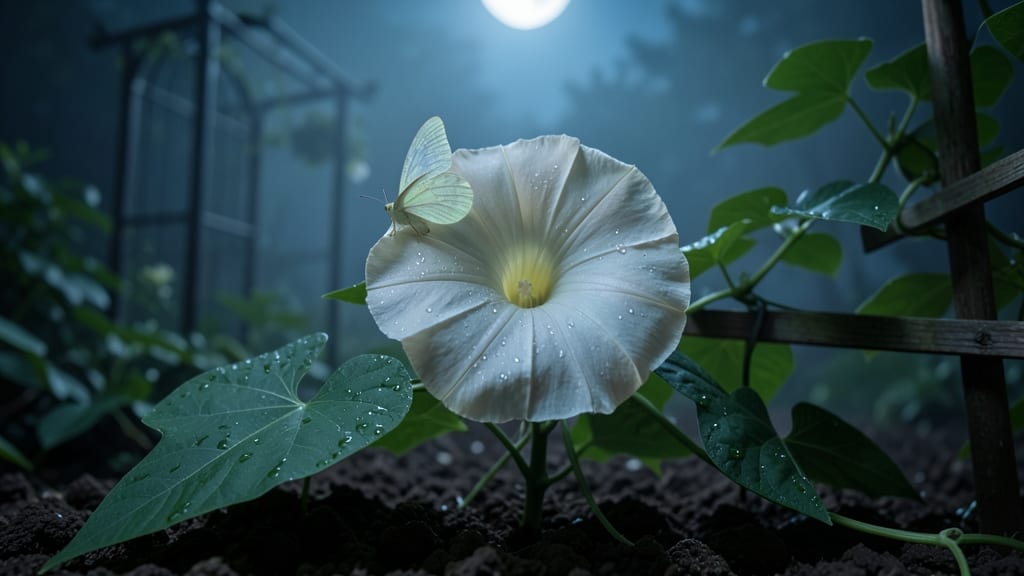
Moonlight-blooming flowers turn your garden into a magical stage after dark. 🌙 I’ll never forget the first time I stumbled upon my night-blooming jasmine—its intoxicating scent wafting through the summer air like a secret.
These flowers aren’t just beautiful; they transform evenings into enchanting experiences, perfect for romantic dinners or quiet stargazing.
Some of the most stunning options include moonflower (a giant, silvery-white bloom), evening primrose (with its delicate yellow petals), and night-scented stock (a fragrant favorite). These plants thrive in partial shade and well-drained soil, making them surprisingly easy to grow.
The key is planting them where you’ll enjoy their glow—near patios, walkways, or even containers on balconies.
Imagine stepping outside to find your garden alive with soft light and sweet perfume. Moonflowers unfurl their petals at dusk, while night-blooming cereus adds dramatic spikes of white. Pair them with soft solar lights or string lights to create a dreamy ambiance.
The best part? Many of these flowers also attract nocturnal pollinators, turning your garden into a lively ecosystem after sundown.
Whether you’re designing a full night garden or just adding a few fragrant accents, these flowers deliver magic with minimal effort. Start small—even a single moonflower vine can make a statement.
The secret is patience; let them establish roots before expecting their full nocturnal spectacle. Trust me, the wait is worth every moonlit bloom.
📚 In This Guide
- What you need
- Instructions
- Tips and common mistakes
- Wrapping up and next steps
What you need
- ● Moonlight-loving flower varieties: Night-blooming jasmine (1–3 plants)
- ● Moonflower vine (1–2 plants, trellis or support required)
- ● Evening primrose (3–5 plants, biennial)
- ● Angel’s trumpet (1 plant, perennial in warm climates)
- ● Queen of the Night cactus (1–2 plants, potted or in-ground)
- ● Soil & amendments: Well-draining potting mix (1–2 bags, 18–24" depth for in-ground)
- ● Compost or organic matter (1–2 gallons, to enrich soil)
- ● Slow-release fertilizer (e.g., 10-10-10, 1 lb per 100 sq ft)
- ● Containers or garden space: Large pots (12–18" diameter, 1–2 per plant)
- ● Trellis or arbor (6–8 ft tall, for vining plants)
- ● Garden bed (partial shade, 3–4 ft wide for groupings)
- ● Garden tools: Trowel (for planting)
- ● Gloves (1 pair, to protect hands)
- ● Pruners (sharp, for trimming)
- ● Watering can or hose (with gentle spray nozzle)
- ○ Optional (but magical!) extras: Solar-powered garden lights (for ambiance)
- ● Mulch (2–3 inches, to retain moisture)
- ● Fragrance-free insect repellent (to protect blooms)
- ● Journal (to track blooming cycles!)
How to design a moonlit night garden for fragrant evening blooms
Here’s how I transform any garden into a nocturnal sanctuary—no special skills needed, just strategic plant selection and lighting.
🌿 Step 1: Select Nocturnal and Moonlight-Loving Flowers
Start with plants that naturally thrive in low light and release their fragrance after sunset. My go-to choices include night-blooming jasmine (Jasminum sambac), evening primrose (Oenothera biennis), and moonflower (Ipomoea alba), which unfurls its pale white blossoms precisely at dusk. These varieties have evolved to attract night-flying pollinators like moths, so they’re already optimized for your goals.
For year-round interest, pair them with Arabis (for its silvery foliage) and evening-scented stocks (Matthiola longipetala), which release their most potent aroma after dark. I always plant them in clusters of 3-5 plants per variety—this creates a stronger visual and olfactory impact when the moon rises.
☀️ Step 2: Position for Maximum Moonlight Exposure
Moonlight gardens need indirect, reflected light—so avoid planting in deep shade where moonlight never reaches. Instead, focus on areas with open sky overhead (like near patios or open lawns) where moonlight can bounce off surfaces like gravel paths or water features. I’ve found that south- or east-facing beds capture the most moonlight, as the moon’s path favors these orientations.
Test your site by observing where moonlight pools at night—you’ll notice brighter spots on walls or ground. Place lighter-colored flowers (like white moonflower or pale evening primrose) in these illuminated zones, while deeper-hued blooms (such as deep purple evening stocks) can tuck into slightly shaded edges for contrast.
💧 Step 3: Adjust Watering for Night-Blooming Plants
Most night-blooming flowers need even moisture but hate soggy roots—so water deeply once every 3-4 days in the late afternoon. This gives roots time to absorb water before evening, reducing fungal risks. I use drip irrigation on a timer set for 30 minutes daily to maintain consistent dampness without overwatering.
Watch for wilting by mid-afternoon—that’s your signal to water immediately. Night-bloomers often wilt slightly during the day (they conserve energy for their evening show), but if leaves feel crispy or stems droop by noon, increase frequency to every 2 days. Mulch with 2-3 inches of organic mulch (like shredded bark) to retain moisture and regulate soil temperature.
✂️ Step 4: Prune for Extended Evening Blooms
Deadhead spent blooms first thing in the morning to encourage continuous flowering. For night-bloomers, this means removing faded jasmine or moonflower blossoms before dawn—their energy then goes into producing new buds for the next evening. I also trim leggy growth in evening primrose to keep plants compact and bushier, which boosts flower production.
In late summer, give evening-scented stocks a light pruning to remove up to ⅓ of their height. This triggers a flush of new growth and prolongs their blooming season into fall. Avoid pruning after mid-August, though—new growth won’t have time to harden off before cooler nights arrive.
🪴 Step 5: Enhance with Moonlight-Reflective Elements
To amplify the effect, add smooth river rocks or a shallow water feature near your night-blooming beds. These surfaces reflect moonlight, creating a luminous glow that highlights the flowers. I’ve also hung solar-powered fairy lights (warm white, 2700K) along garden paths—they mimic the softness of moonlight while adding a magical touch.
For fragrance to carry farther, plant strong-scented varieties like night-blooming jasmine near seating areas or walkways. The combination of visual contrast (dark foliage against pale blooms) and scent layers (jasmine’s floral notes + evening primrose’s honeyed aroma) makes the experience immersive. Test your setup on a clear, moonlit night—you’ll be amazed how much more vibrant the garden feels after dark.
Tips & tricks for perfect moonlit night gardens
Here's what nobody tells you about creating a truly enchanting nocturnal garden that thrives after dark.
Plant Placement Strategy: In Step 2, when positioning your moonlight-loving flowers, create a layered effect by planting taller varieties like moonflower along fences or trellises where they can cascade down, catching moonlight from above. The 3-5 plant clusters mentioned in Step 1 should be arranged in triangular formations—this creates visual depth and ensures fragrance disperses evenly when breezes pick up after sunset. I've found that placing the most fragrant varieties like night-blooming jasmine near seating areas maximizes their sensory impact.
Timing Secret: The 30-minute daily drip irrigation in Step 3 works best when timed for late afternoon (around 4-5 PM). This gives roots ample time to absorb moisture before evening, which is when night-bloomers do most of their metabolic work. For maximum fragrance, plant your evening-scented stocks when the moon is in its waxing gibbous phase—these plants respond particularly well to lunar cycles during this period.
Pruning Precision: When deadheading in Step 4, use sharp pruners and cut just above the first set of leaves below the spent bloom. This encourages bushier growth and more flowers. For evening primrose, I've discovered that pinching back the tips of new growth when plants reach about 12 inches tall produces even more blooms. And remember—the mid-August cutoff for pruning evening-scented stocks is non-negotiable for fall blooming.
Lighting Layering: To enhance the moonlight effect in Step 5, place your solar-powered fairy lights at varying heights—some near the ground to create a "starry" effect, others at eye level to highlight specific flower clusters. The warm white 2700K bulbs mentioned create the most natural moonlight mimicry. For extra drama, add a small solar-powered moon (available at garden centers) that projects moving shadows across your beds.
Pro Tips for Flowers That Bloom In Moonlight
- Here's what nobody tells you about creating a truly enchanting nocturnal garden that thrives after dark.
- The 3-5 plant clusters mentioned in Step 1 should be arranged in triangular formations—this creates visual depth and ensures fragrance disperses evenly when breezes pick up after sunset.
- Timing Secret: The 30-minute daily drip irrigation in Step 3 works best when timed for late afternoon (around 4-5 PM).
Frequently asked questions
Got questions about night-blooming flowers? You’re not alone! Here are some of the most common queries—and their answers—to help you create your own magical moonlight garden.
Which flowers bloom only at night?
While many night-bloomers open in the evening, a few are strictly nocturnal, like the Moonflower (Ipomoea alba) and Night-Blooming Cereus. Others, like Evening Primrose or Queen of the Night (Selenicereus grandiflorus), also thrive in twilight but may close by dawn. For pure moonlight magic, prioritize these true night-bloomers!
How do I time my garden’s night-blooming peak?
Most flowers follow the sun’s cycle, opening as light fades (around 8–10 PM in summer, later in winter). For consistency:
- Plant in full sun (6+ hours/day) to fuel nighttime energy.
- Water deeply in the evening to hydrate blooms.
- Use a moonlight sensor (like a solar-powered timer) to track opening times.
Can I grow these flowers in containers or small spaces?
Compact night-bloomers like Night-Scented Stock (Matthiola longipetala) or Dwarf Moonflower thrive in pots (12"+ depth). For balconies or patios:
- Choose trailing varieties (e.g., Ipomoea vines) for vertical gardens.
- Use self-watering containers to prevent wilting before nightfall.
- Avoid overcrowding—roots need room to absorb evening moisture.
Will night-blooming flowers attract pests like moths or bees?
Yes—but it’s usually harmless! Many night-bloomers (like Moonflower) are pollinated by moths, which are gentle and beneficial. To minimize issues:
- Plant repellent herbs nearby (e.g., basil or marigolds).
- Avoid overwatering—standing water draws mosquitoes.
- Use yellow bug lights (moths dislike them) if pests become problematic.
What if my flowers don’t bloom at night?
Troubleshooting tips:
Issue
Solution
No blooms at all
Check light exposure (some need partial shade during the day).
Blooms open too late/early
Adjust watering schedules—dry soil can delay opening.
Flowers wilt by morning
Ensure well-draining soil and support stakes (e.g., for heavy Moonflowers).
Pests are damaging buds
Spray with neem oil at dusk or introduce ladybugs.
Wrapping up and next steps
Transforming your garden into a moonlit sanctuary is easier than you think! 🌙✨ These enchanting flowers that bloom in moonlight—like night-blooming jasmine, moonflower, and evening primrose—bring magic, fragrance, and beauty to your evenings.
Whether you're a seasoned gardener or just starting, there’s no better time to embrace the night-blooming world.
Ready to dive in? Start by choosing one or two varieties that suit your climate and space, then gather your supplies and get planting. Before you know it, your garden will be alive with lunar elegance every night. Happy gardening!