
Blooming
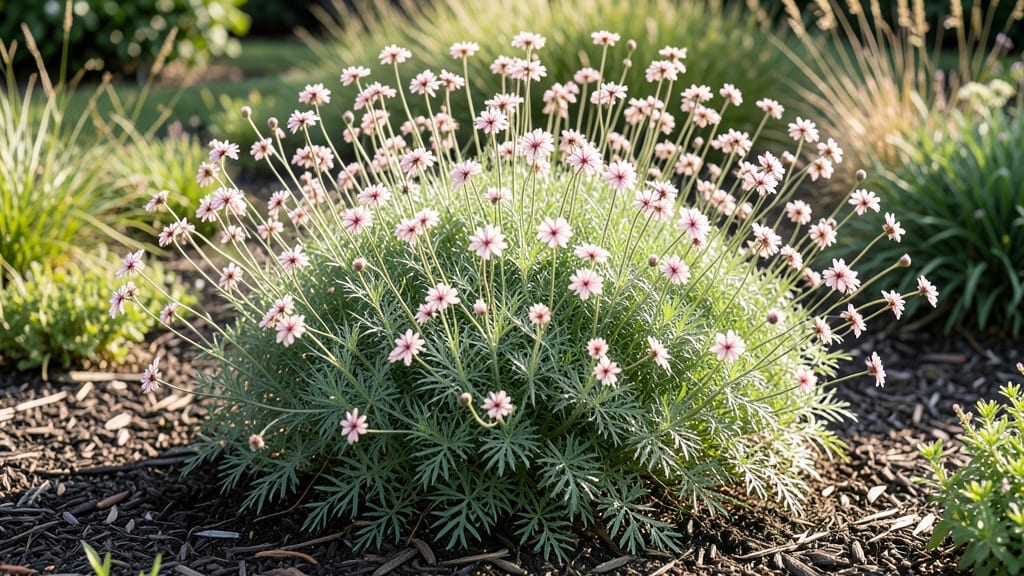
Gaura blooms from early summer to frost 🌸, but the exact timing depends on your variety and hardiness zone — and yes, there are ways to nudge those delicate flowers to appear weeks earlier.
Picture this: you’ve spent weeks waiting for your gaura to burst into color, only to check the garden one morning and realize the blooms are already fading. That’s the frustration of not knowing your plant’s precise bloom window.
But here’s the good news: with the right variety and a few simple tricks, you can enjoy gaura’s nonstop show for months.
In Zone 6a, where gaura thrives, most varieties kick off blooms in June and keep going until the first frost. However, cooler zones like Zone 5 might see a later start, while Zone 7+ could enjoy an extended season.
The key is choosing the right type—some, like Whirling Butterflies, are early bloomers, while others, like Caitlin Ridge, shine later in the season.
Below, I’ll break down the exact months to expect blooms by variety, how to adjust for your climate, and the easiest ways to keep your gaura flowering longer—no guesswork required.
Exact gaura bloom time by variety: when each type peaks
Gaura is famous for its continuous blooming from early summer to frost, but not all varieties bloom at the same time. Some varieties like Whirling Butterflies burst into color as early as late May, while others like Caitlin Ridge peak in mid-July.
Understanding these timelines helps you plan your garden for a nonstop color show throughout the season.
Most gaura varieties are perennials, meaning they return year after year with proper care. However, some are grown as annuals in colder zones. The key to extending their bloom period lies in choosing the right mix of varieties and providing consistent care.
Let’s break down the peak bloom times for the most popular gaura types.
| Variety | Peak Bloom Time | Bloom Duration | Notes |
|---|---|---|---|
| Whirling Butterflies | Late May - Early June | June to Frost | Early bloomer; white flowers |
| Caitlin Ridge | Mid-July | July to Frost | Pink blooms; compact habit |
| Sapphire Showers | Early June | June to Frost | Blue flowers; heat-tolerant |
| Passionate Whirl | Late June | June to Frost | Deep pink blooms; tall variety |
| Black-eyed Susan Mix | Mid-June | June to Frost | Multi-color blooms; drought-resistant |
If you’re planting gaura as annuals, expect blooms to start around 6-8 weeks after sowing, typically in late spring. For perennial gaura, established plants will bloom earlier each year, often starting in early June and continuing until frost.
The key to a longer bloom period is deadheading spent flowers regularly to encourage new growth.
For early bloomers like Whirling Butterflies, focus on planting in well-draining soil and providing full sun exposure. These varieties thrive in USDA Zones 5-9 and can even bloom in partial shade, though their color intensity may fade.
If you’re in a hotter climate, varieties like Sapphire Showers will perform best with afternoon shade to prevent wilting.
To extend the bloom season, consider mixing early, mid, and late-season varieties in your garden. For example, pair Whirling Butterflies (early) with Passionate Whirl (late) to ensure continuous color from late spring to fall.
This strategy also works well for container gardening, where you can rotate pots to highlight different blooming stages.
Gaura’s self-cleaning habit means it rarely needs deadheading, but pinching back leggy stems in early spring can encourage a fuller, bushier plant with more blooms. Avoid over-fertilizing with high-nitrogen feeds, as this promotes leafy growth at the expense of flowers.
Instead, use a balanced fertilizer like 10-10-10 in early spring to support steady blooming.
In cooler climates (Zones 5-6), gaura may go dormant in winter but will rebound quickly in spring. For southern gardens (Zones 8-10), gaura can bloom year-round with minimal care, though blooms may slow during peak summer heat.
Mulching around the base of the plant helps retain moisture and regulate soil temperature, which is especially useful in dry or hot regions.
One of my favorite tricks for prolonging blooms is to plant gaura near companion plants that attract pollinators, like lavender or catmint. The increased activity from bees and butterflies can stimulate more frequent blooming.
Additionally, light pruning after the first flush of flowers can encourage a second wave of blooms later in the season.
If you’re new to gaura, start with 2-3 varieties to test what thrives in your climate. For example, Whirling Butterflies and Caitlin Ridge work beautifully together, offering a sequential bloom show from late spring to fall. With the right mix, you’ll have garden color
Gaura bloom schedule by USDA hardiness zones: adjust for your climate
Your USDA hardiness zone plays a huge role in when your gaura will bloom. In cooler zones like Zone 5-6, gaura often starts flowering in late May to early June, while southern gardens in Zone 8-10 may see blooms as early as April.
Understanding these differences helps you choose the right variety and care for it properly. Let’s break down bloom timing by zone so you can plan your garden for maximum color.
For gardeners in marginal zones (Zone 5-7), overwintering protection is key to getting those early blooms. In warmer zones (Zone 8+), heat-tolerant varieties like ‘Whirling Butterflies’ thrive and may bloom year-round with minimal care.
The right variety paired with your zone ensures you’ll enjoy those delicate, airy flowers for months.
🌱 Gaura Bloom Schedule by Zone
- Zone 3-4: Plant heat-tolerant varieties like ‘Passionate Pink’ for late June to frost blooms. Use row covers in spring to extend the season.
- Zone 5-6: Expect late May to October blooms. Deadhead spent flowers to encourage continuous blooming through summer.
- Zone 7-8: April to November blooms with minimal care. Mulch to retain moisture and cool roots during heatwaves.
- Zone 9-10: Year-round blooms possible with ‘Sapphire Showers’. Prune lightly to promote bushier growth and more flowers.
In Zone 5 and colder, I recommend planting ‘Caitlin Ridge’, a compact variety that blooms earlier than standard gaura. Its dwarf stature (18-24 inches) makes it perfect for container gardens or rock gardens where frost lingers longer.
Pair it with spring-blooming bulbs like daffodils for a seamless transition into summer color.
For southern gardeners (Zone 8+), heat-tolerant varieties like ‘Whirling Butterflies’ or ‘Lemon Meringue’ thrive in full sun and dry conditions. These varieties often bloom earlier and longer than northern types, making them ideal for extended-season gardens.
Just be sure to water deeply but infrequently to avoid fungal issues.
If you’re in Zone 6 or 7, focus on deadheading and light pruning to keep blooms coming. After the first frost date, cut back 1/3 of the plant to encourage new growth and spring blooms.
In Zone 8+, where frost is rare, you can prune lightly year-round to maintain shape and stimulate continuous flowering.
Remember, gaura is drought-tolerant once established, but consistent moisture in spring and summer helps roots establish for longer bloom periods.
Whether you’re in a cool northern climate or a hot southern one, choosing the right variety and caring for it properly ensures months of vibrant blooms—no waiting required! 🌿