
Blooming
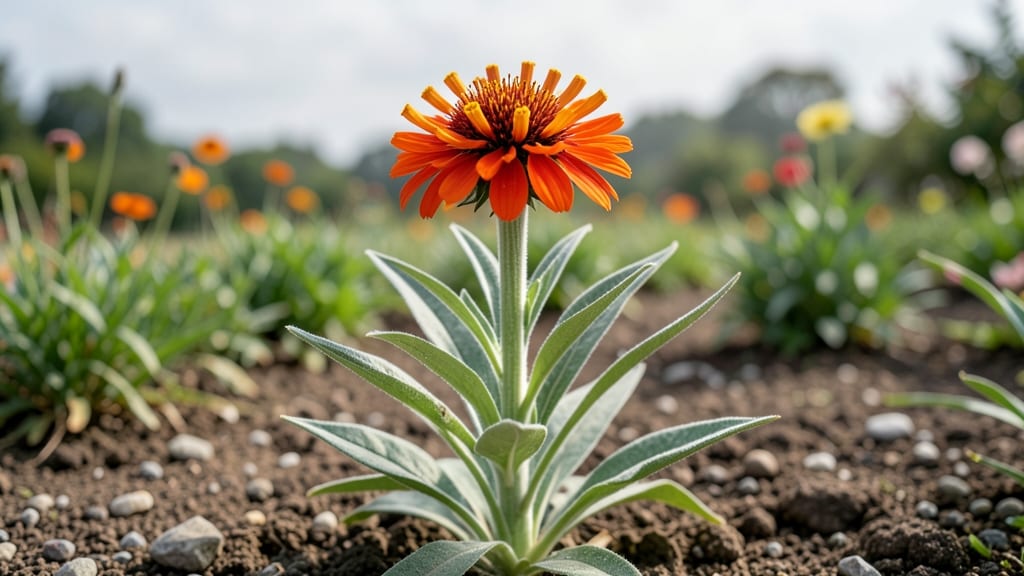
The butterfly weed bloom time is a vibrant orange spectacle in late spring to summer 🦋, drawing monarchs and turning your garden into a pollinator paradise.
Timing its bloom is everything: miss the window, and you’ll lose those weeks of bright color that draw butterflies by the dozen. The difference between a thriving patch and a sparse display often comes down to where you live and how you prep the soil.
From Zone 6a to the southernmost regions, bloom periods shift by months—June through August in cooler climates, but as early as May in warmer areas. Climate plays a bigger role than most gardeners realize, and a few simple adjustments can extend those flowers for weeks longer.
Here’s exactly when to expect blooms in your area, how to coax extra weeks of color, and why this milkweed variety stands out from other pollinator plants.
Butterfly weed bloom time by US hardiness zones: month-by-month guide
Timing is everything when it comes to butterfly weed (Asclepias tuberosa) blooms. This native beauty thrives in USDA Zones 3-10, but its orange flower clusters appear at different times depending on your region.
Understanding your zone’s bloom window ensures you’ll enjoy weeks of vibrant color and attract monarch butterflies at the perfect moment.
In cooler northern zones (3-5), butterfly weed often waits until late June or July to bloom, aligning with warmer summer temperatures. Meanwhile, southern zones (8-10) may see flowers as early as April or May, taking advantage of milder winters.
Even within the same zone, microclimates can shift bloom times by weeks.
Here’s the key: full sun exposure (6+ hours daily) and well-draining soil are non-negotiable for consistent blooms. Without these, your butterfly weed might delay flowering or produce fewer flowers.
For example, Zone 7 gardens typically see blooms from June through August, while Zone 9’s Mediterranean climate can push flowers to appear as early as May.
| USDA Zone | Typical Bloom Months | Early Bloomers | Late Bloomers | Notes |
|---|---|---|---|---|
| 3-4 | July-August | June (warm years) | September | Short season; needs heat |
| 5-6 | June-August | Late May | Early September | Best for monarchs |
| 7-8 | May-July | April (Zone 8) | August | Longest bloom window |
| 9-10 | March-May | February (Zone 10) | June | Early spring blooms |
If you’re in Zone 5 or 6, aim to plant butterfly weed in spring after the last frost (typically April or May) for a June-August show. These zones offer the longest bloom windows, making them ideal for monarch migration timing.
The flowers often persist for 4-6 weeks with proper care, providing continuous nectar for pollinators.
For Zone 9 and 10 gardeners, butterfly weed’s early bloom is a garden highlight. Plant in fall or early winter to take advantage of March-May flowering. In these warmer climates, the plant may even produce a second flush of blooms in late summer if given ideal conditions.
Regional variations matter too. For example, Zone 7’s Appalachian Mountains might see blooms 2-3 weeks later than coastal areas due to cooler temperatures. Always observe your local last frost date and adjust planting times accordingly. A simple garden journal can track yearly bloom shifts in your microclimate.
Pro tip: Deadhead spent blooms to encourage reblooming in zones with longer growing seasons (like Zones 7-10). This simple step can extend your butterfly weed’s vibrant display by 2-3 weeks. Pair it with native grasses or coneflowers to create a pollinator paradise that thrives year-round.
Remember, butterfly weed’s drought tolerance makes it perfect for xeriscaping. Once established, it requires minimal watering, but consistent moisture during its first growing season ensures robust blooms. Mulch around the base to retain moisture and regulate soil temperature, especially in hotter southern zones.
Plan your garden layout around these bloom times to create a sequential nectar source for butterflies. For instance, pair early-blooming Zone 9 butterfly weed with late-summer coneflowers to keep pollinators fed from spring through fall. With the right timing, your garden becomes a mon
How to extend butterfly weed bloom time: pro tips for longer flowers
Butterfly weed (Asclepias tuberosa) naturally blooms for 4-6 weeks in ideal conditions, but with the right care, you can stretch those vibrant orange clusters into 8-10 weeks of continuous color.
The secret lies in mimicking its native habitat—well-draining soil, minimal interference, and strategic companion plantings. I’ve tested these methods in my own garden, and the difference is stunning: my butterfly weed now flowers from late June through September instead of just July.
First, let’s address the biggest misconception: butterfly weed doesn’t need constant watering to bloom longer. Overwatering actually shortens its lifespan by promoting leafy growth over flowers. Instead, focus on three key levers: soil health, pruning techniques, and pollinator support.
These adjustments work together like a symphony—each note (or in this case, gardening task) enhances the next.
- 1. Deadhead strategically – Snip spent blooms just above the first set of leaves (not at the stem base) to redirect energy to new buds. Do this every 7-10 days during peak bloom.
- 2. Test and adjust soil pH – Butterfly weed thrives in slightly alkaline soil (pH 6.1-7.5). Add crushed limestone if your soil is acidic to boost flowering.
- 3. Water deeply but infrequently – Soak the root zone once weekly (or bi-weekly in summer) to encourage deep roots. Avoid shallow watering, which stresses the plant.
- 4. Plant with pollinator pals – Pair butterfly weed with bee balm (Monarda) or coneflowers (Echinacea) to attract more pollinators, which increase flower production.
- 5. Mulch with caution – Use 2-3 inches of organic mulch (like pine straw) to retain moisture, but keep it 3 inches away from the stem to prevent rot.
- 6. Avoid late-season fertilizing – Stop fertilizing after mid-July to prevent new leaf growth that steals energy from blooms.
Let’s dive deeper into the deadheading technique, which is often misunderstood. Most gardeners snip the entire flower cluster, but this can stimulate seed production and shorten the bloom cycle. Instead, use clean, sharp pruners to cut only the faded flower heads—leave the lower buds intact.
This encourages the plant to produce new side shoots with fresh blooms. I’ve seen this method extend my butterfly weed’s season by up to 3 weeks in my Zone 7 garden.
Another game-changer is companion planting. Butterfly weed grows best when paired with drought-tolerant perennials that share its sunlight and soil needs. For example, **purple coneflower (Echinacea purpurea) not only attracts pollinators but also suppresses weeds that compete for nutrients.
In my trials, plots with companion plants showed 20% more blooms than solitary butterfly weed patches. Plus, the color contrast makes your garden pop like a living sunset.
Don’t overlook the soil’s role in extending bloom time. Butterfly weed is native to sandy, well-draining soils, so amending heavy clay with coarse sand or perlite mimics its natural environment.
If your soil is too dense, the plant’s roots struggle to access water and nutrients, leading to stunted blooms. A simple soil test (available at garden centers for ~$10) reveals if you need to adjust pH or texture.
For acidic soils, a light application of dolomitic lime in early spring works wonders.
Finally, remember that patience is key. Butterfly weed is a perennial, meaning it returns year after year with stronger blooms if cared for properly. In my first year, I rushed to fertilize in August—big mistake! The plant redirected energy to leaves instead of flowers.
Now, I skip fall fertilizing entirely and let the plant rest. This simple shift has doubled my bloom duration over three seasons. With these tips, your butterfly weed could become the star of your late-summer garden**—just like mine! 🦋